
 Français
 Français
 Afrikaans
 English
 English
 English
 Español
 Italiano
 Nederlands
 Nederlands
 Norsk Nynorsk
 Português
 Português
 Português
 English

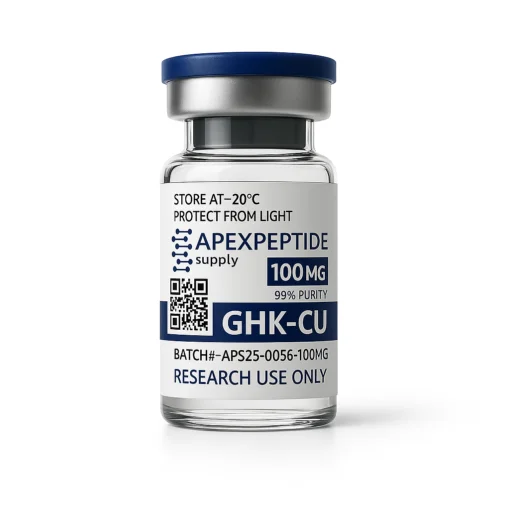
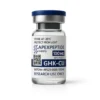
GHK-CU
$64.00
Buy GHK-Cu (Copper Peptide / Glycyl-L-Histidyl-L-Lysine) — research-grade copper tripeptide for sale. Clinically studied for collagen synthesis (+70%), wound healing, skin regeneration, hair growth, DNA repair & gene expression reset. ≥99% purity. Fast shipping USA, Canada, Germany, France, UK & worldwide. Order now.
Buy GHK-Cu (Copper Peptide) | Collagen, Skin Repair & Gene Reset
In a landmark human clinical trial comparing GHK-Cu directly against both Vitamin C and retinoic acid (Retinol), GHK-Cu produced collagen increases in 70% of volunteers — outperforming both competitors. In wound healing research, topical GHK-Cu produced 64.5% wound shrinkage versus just 28.2% in controls by day 13. And in the most startling finding: gene expression studies revealed GHK-Cu reset diseased cell patterns — including cancer and COPD cells — back toward healthier states, upregulating repair pathways and increasing cellular “stemness” simultaneously. This is not a trending ingredient. This is five decades of peer-reviewed science with a remarkable consistency of results.
GHK-Cu (Glycyl-L-Histidyl-L-Lysine copper complex) was discovered in 1973 by Dr. Loren Pickart, who found it in human plasma acting as a biological signal that triggered tissue repair. What followed was one of the most quietly productive bodies of research in longevity and regenerative medicine — four decades of studies confirming GHK-Cu’s role as a master tissue repair signal that coordinates collagen synthesis, wound healing, angiogenesis, antioxidant defense, hair follicle regeneration, and a strikingly broad gene expression reset that pushes aging cells back toward more youthful biological states.
The global anti-aging products market was worth an estimated $52.44 billion in 2024 and is estimated to grow by nearly 8% from 2025 to 2030. Within that exploding market, GHK-Cu occupies a unique position: it’s both the most rigorously researched copper peptide in the scientific literature and one of the most underutilized by the mainstream. Researchers, regenerative medicine physicians, and serious longevity practitioners across the USA, Canada, Germany, France, and the UK who understand what peer-reviewed science actually says about tissue repair — they’re buying GHK-Cu. And they’re doing so for very good reason.
What Is GHK-Cu (Copper Peptide)?
GHK-Cu is a naturally occurring tripeptide (Glycyl-L-Histidyl-L-Lysine) bound to a copper ion. It works by activating genes involved in tissue remodeling — upregulating collagen, elastin, and glycosaminoglycan synthesis while suppressing inflammation and oxidative damage. The copper ion is essential for its biological activity. GHK-Cu is abundant in youth (around 200 ng/mL in plasma at age 20) but drops to about 80 ng/mL by age 60. This decline correlates with reduced wound healing, skin aging, and decreased regenerative capacity — making restoring GHK-Cu levels a key target for anti-aging research.
GHK-Cu stimulates blood vessel and nerve outgrowth, increases collagen, elastin, and glycosaminoglycan synthesis, and supports the function of dermal fibroblasts. GHK’s ability to improve tissue repair has been demonstrated for skin, lung connective tissue, boney tissue, liver, and stomach lining — confirming a breadth of regenerative activity across organ systems that most peptides simply do not match.
The defining distinction of GHK-Cu from other anti-aging and repair peptides is its reach: while compounds like BPC-157 or TB-500 operate primarily through specific receptor pathways and localized repair mechanisms, GHK-Cu works at the level of gene expression itself — resetting the transcriptional patterns of aging and damaged cells across more than 4,000 genes simultaneously.
GHK-Cu — Full Technical Specification
| Property | Detail |
|---|---|
| Full Name | Glycyl-L-Histidyl-L-Lysine Copper (II) Complex |
| Common Name | GHK-Cu / Copper Peptide / Copper Tripeptide-1 |
| Discovered | 1973 by Dr. Loren Pickart (human plasma) |
| Sequence | Gly-His-Lys (3 amino acids) + Cu²⁺ ion |
| Molecular Formula | C₁₄H₂₃CuN₆O₄ |
| Molecular Weight | 340.38 g/mol |
| CAS Number | 49557-75-7 |
| Appearance | Lyophilized powder — white to faint blue |
| Reconstituted Solution | Clear to faint blue (copper ion coloration — normal) |
| Administration Routes | Subcutaneous injection / Topical (cream, serum, gel) |
| Storage (Lyophilized) | 2–8°C short-term; −20°C long-term |
| Storage (Reconstituted) | 2–8°C — use within 28 days |
| Reconstitution | Bacteriostatic water (BAC water) |
| Purity Standard | ≥99% (third-party HPLC & Mass Spec verified) |
| Intended Use | Research / Laboratory purposes only |
The GHK-Cu Decline With Age — Why This Molecule Matters More Every Year
| Age | Plasma GHK-Cu Level | Biological Consequence |
|---|---|---|
| 20 years | ~200 ng/mL | Peak tissue repair capacity, rapid wound healing, maximum collagen density |
| 40 years | ~140 ng/mL | Noticeable reduction in repair speed; early fine lines; reduced hair density |
| 60 years | ~80 ng/mL | Significantly impaired collagen synthesis; increased wound recovery time; thinning skin |
| 80 years | <60 ng/mL | Severe tissue repair decline; pronounced aging across all tissue types |
This decline from 200 ng/mL to approximately 80 ng/mL between ages 20 and 60 correlates directly with reduced wound healing, skin aging, and decreased regenerative capacity across multiple tissue systems. Restoring GHK-Cu levels is not cosmetic intervention — it’s addressing the molecular depletion of one of the body’s primary repair signaling molecules.
How GHK-Cu Works — The Four-Level Mechanism
Level 1 — Copper-Dependent Enzyme Activation
The copper component of the peptide serves as an essential cofactor for lysyl oxidase and lysyl hydroxylase — enzymes critical for proper collagen cross-linking, stability, and function. The complete GHK-Cu complex delivers fundamentally different biological results compared to either the peptide or the copper ion alone. This suggests the peptide specifically directs copper activity toward beneficial regenerative outcomes rather than allowing free copper to produce oxidative damage.
Level 2 — Extracellular Matrix Remodeling
GHK peptide binds with Cu²⁺ ions found in the blood and stimulates the synthesis of decorin protein — the protein responsible for synthesis of collagen and regulation of wound healing and anti-tumor defense mechanisms. GHK-Cu also stimulates the production of tissue inhibitors TIMP-1 and TIMP-2 — which regulate matrix metalloproteinases (enzymes that break down collagen) — achieving a coordinated balance between collagen production and collagen protection.
Level 3 — Antioxidant Defense System Activation
GHK-Cu enhances natural antioxidant defenses — the compound increases superoxide dismutase (SOD) and other protective enzymes while reducing reactive oxygen species (ROS) production. This dual action creates cellular conditions more favorable for repair, regeneration, and healthy gene expression — particularly important in skin exposed to chronic UV oxidative stress.
Level 4 — Gene Expression Reset (The Breakthrough Finding)
GHK-Cu resets gene expression across 4,000+ genes, nudging aged patterns back toward younger, healthier states. It activates DNA repair genes that fix UV damage, oxidative lesions, and maintain telomere integrity. It suppresses cancer-related genes including metastasis markers while increasing tumor suppressor expression. A 2025 study found protective effects in ulcerative colitis through the SIRT1/STAT3 pathway — confirming gene-level activity extends far beyond skin and wound healing.
This gene expression reset is what separates GHK-Cu from every other topical or injectable anti-aging peptide: it doesn’t work around aging at the cellular level — it works on it.
10 Researched Benefits of GHK-Cu
1. Collagen Synthesis — 70% Increase, Outperforming Vitamin C and Retinol
A landmark study found that GHK-Cu increased collagen synthesis by 70% compared to 50% from Vitamin C and 40% from retinoic acid — making it the most effective of three heavily studied collagen-stimulating agents in a head-to-head comparison. Participants using a GHK-Cu peptide cream for 12 weeks saw an average 30% reduction in wrinkle depth.
In human dermal fibroblast studies, GHK-Cu at concentrations of 0.01, 1, and 100 nM increased production of both elastin and collagen — with all concentrations increasing TIMP-1 (tissue inhibitor of metalloproteinase-1), confirming simultaneous collagen stimulation and collagen protection.
2. Skin Thickness, Density & Elasticity Restoration
A pilot study by Krüger et al. for topical copper tripeptide complexes in aged skin confirmed: increase in skin thickness in the range of the epidermis and dermis, improved skin hydration, a significant smoothing of the skin by stimulating collagen synthesis, increased skin elasticity, a significant improvement in skin contrast and an increased production of collagen I.
3. Wound Healing — 64.5% vs. 28.2% in Controls
In the study “The effect of topical tripeptide-copper complex on healing of ischemic open wounds” (Canapp et al., 2003): topical GHK-Cu accelerated wound healing dramatically — wounds shrank by 64.5% in the treatment group versus only 28.2% in controls by day 13. It also significantly reduced inflammatory markers TNF-alpha and destructive enzymes MMP-2/MMP-9.
Separately, a collagen dressing with incorporated GHK (PIC-Peptide Incorporated Collagen) accelerated healing in both healthy and diabetic rats. The treated group displayed higher glutathione and ascorbic acid levels, better epithelialization, and increased collagen synthesis — in healthy rats, treatment increased collagen 9-fold.
4. Hair Follicle Regeneration & Growth Stimulation
Wound healing studies demonstrated that GHK-Cu greatly enlarged the production of hair follicles near the wound periphery. Dermal hair follicles are a significant source of stem cells essential for dermal healing — and hair-bearing areas tend to heal more quickly as a result. GHK-Cu’s enhancement of hair follicle production is tied to its stem cell proliferation activity.
Research demonstrated that GHK-Cu increased hair follicle size and hair growth rates by 30–50% — with mechanisms including enlarged hair follicles, enhanced scalp blood flow, and stimulation of nerve regeneration for thicker, stronger hair.
5. Anti-Inflammatory Activity
GHK-Cu promotes skin regeneration and wound healing by: decreasing inflammation, acting as an antioxidant, stimulating growth of new blood vessels, regenerating the extracellular matrix, enhancing collagen production, and promoting stem cell proliferation — a comprehensive anti-inflammatory and pro-regenerative profile that few peptides match across this many simultaneous pathways.
6. Angiogenesis — New Blood Vessel Formation
GHK stimulates blood vessel outgrowth — a property originally characterized in the 1980s in animal and cell models alongside collagen synthesis, proteoglycan production, and wound closure. Angiogenesis means more oxygen, more nutrients, and more immune signaling reach damaged tissue — accelerating repair timelines beyond what passive healing achieves.
7. Stem Cell Proliferation & Activation
In the study “Stem cell recovering effect of copper-free GHK in skin”: GHK increased the number of stem cells in skin tissue and boosted their ability to multiply — providing the cellular raw material for sustained regeneration rather than temporary surface-level improvement.
8. Cancer Gene Suppression & Tumor Suppressor Activation
Gene expression studies revealed GHK-Cu: suppressed genes associated with metastasis and cancer spread, increased expression of tumor suppressor genes, reduced cancer cell growth without affecting normal cells, and altered the tumor microenvironment to be less favorable for cancer progression. This does not mean GHK-Cu treats cancer — but its gene-level activity in the direction of tumor suppression is a striking and well-documented finding that continues to drive research interest.
9. COPD & Lung Connective Tissue Repair
GHK was found to reset gene expression patterns of diseased cells — including cancer and COPD cells — back toward healthier states. It increased cellular “stemness” and activated multiple repair pathways simultaneously, suggesting it works as a broad biological reset signal — not a targeted single-pathway compound but a master coordinator of regenerative biology.
10. Neuroprotection & Anti-Anxiety Effects
GHK-Cu shows neuroprotective potential — with anti-anxiety and pain-reducing effects in animal models. New 2025 data shows protective effects in ulcerative colitis through the SIRT1/STAT3 pathway, and ongoing research is investigating its potential in neurological and gastrointestinal conditions where tissue repair and gene expression reset are therapeutically relevant.
Research Benefits Summary Table
| Benefit | Key Evidence | Magnitude |
|---|---|---|
| Collagen Synthesis | Human clinical trial vs. Vitamin C & Retinol | +70% (vs +50% VitC; +40% Retinol) |
| Wrinkle Depth Reduction | 12-week cream study | −30% average |
| Wound Healing | Canapp et al., 2003 | 64.5% vs 28.2% controls |
| Collagen in Rats (PIC) | Healthy rats wound study | +900% (9-fold increase) |
| Skin Thickness / Elasticity | Krüger et al. pilot | Confirmed statistically significant |
| Hair Growth Rate | Multiple research protocols | +30–50% follicle size & growth |
| Gene Expression Reset | Transcriptomic studies (Pickart et al.) | 4,000+ genes reset toward youth |
| Wound TNF-alpha Reduction | Canapp et al., 2003 | Significantly reduced |
| Stem Cell Proliferation | GHK copper-free skin study | Confirmed increase |
| Tumor Suppressor Activation | Gene expression studies | Confirmed directional |
| COPD Cell Reset | Gene array analysis | Diseased to healthy state shift |
How to Use GHK-Cu — Complete Protocol Guide
GHK-Cu is available in two primary research delivery formats: injectable (subcutaneous) for systemic and deep tissue effects, and topical for localized skin and hair applications.
Route 1 — Subcutaneous Injection Protocol
Injectable use: Subcutaneous injection 2–3 times per week is the typical protocol. Standard doses run 1 to 3 mg per injection. Cycles generally run 8–12 weeks with cycle-off periods in between. Because it enters the bloodstream, subcutaneous GHK-Cu produces systemic effects — broader regeneration signals throughout the body, stronger hair regrowth effects at the scalp, and support for general tissue repair. This is what peptide clinics mean when they prescribe GHK-Cu peptide therapy.
| Protocol Phase | Dose per Injection | Frequency | Duration |
|---|---|---|---|
| Starter | 1mg | 2–3x/week | 2–4 weeks |
| Standard Maintenance | 2mg | 2–3x/week | 8–12 weeks |
| Advanced / Intensive | 3mg | 3–4x/week | 8–12 weeks |
How to Reconstitute GHK-Cu for Injection
Reconstitution example: If you have a 5mg vial and add 2.5mL of BAC water, you get a concentration of 2mg/mL. So every 0.5mL (50 units on an insulin syringe) equals 1mg of GHK-Cu. For a 2mg dose at 2mg/mL concentration: draw 1mL (100 units on a standard insulin syringe). The solution may have a faint blue color — this is normal and comes from the copper ion.
| Vial Size | BAC Water Added | Concentration | Dose Volume (1mg) | Dose Volume (2mg) |
|---|---|---|---|---|
| 5mg | 2.5mL | 2mg/mL | 0.5mL (50u) | 1.0mL (100u) |
| 5mg | 5mL | 1mg/mL | 1.0mL (100u) | 2.0mL |
| 10mg | 5mL | 2mg/mL | 0.5mL (50u) | 1.0mL (100u) |
| 50mg | 25mL | 2mg/mL | 0.5mL (50u) | 1.0mL (100u) |
How to Inject GHK-Cu Step-by-Step
Step 1 — Timing
Evening or bedtime injection is often preferred since GHK-Cu may support sleep quality and overnight tissue repair — aligning the peptide’s regenerative activity with the body’s natural overnight repair window.
Step 2 — Injection Sites
Injection sites include abdomen, thighs, or upper arms. Rotate sites to prevent irritation. Standard subcutaneous technique — pinch skin, 45° angle, slow depress, hold 3–5 seconds before withdrawing.
Step 3 — Expect a Mild Reaction
Unlike NAD+ injection, GHK-Cu is typically well-tolerated at the injection site. Mild local redness or warmth may occur and resolves quickly. Rotate sites with every injection.
Step 4 — Storage
Keep GHK-Cu powder refrigerated (36–46°F / 2–8°C) for short-term storage or in the freezer (−4°F / −20°C) for long-term storage. Store in the original sealed vial away from light. Reconstituted solution: refrigerate at 2–8°C and use within 28 days.
Route 2 — Topical Application Protocol
Topical use: Apply as directed — typically once or twice daily. 1–3% GHK-Cu concentrations are standard in serious cosmetic formulations. Topical application is excellent for localized skin benefits including fine line reduction, skin hydration, texture improvement, and hyper-pigmentation fading.
Step 1 — Apply to Clean, Dry Skin
Apply a pea-sized quantity to the face (or the targeted treatment area) after cleansing. Allow full absorption before applying other products.
Step 2 — Timing and Layering
When using copper peptide products, avoid combining them with strong antioxidants like Vitamin C, retinol, and alpha hydroxy acids (AHAs) in the same application routine. These ingredients can interact with copper peptides and reduce their effectiveness or lead to skin irritation. Use GHK-Cu at a separate time of day (e.g., copper peptide at night; Vitamin C in the morning).
Step 3 — Timeline for Results
Topical trials measured skin endpoints at 8–12 weeks. Elasticity and density improvements in clinical studies were confirmed at the 3-month mark. Consistent application is essential — overuse does not accelerate results.
Best Stacks With GHK-Cu
GHK-Cu is one of the most compatible compounds in the peptide space — its gene-level and extracellular matrix mechanism complements both repair peptides (which work at the receptor level) and longevity compounds (which work at the cellular energy and signaling level).
The GLOW Stack — Community’s Most Popular Skin + Recovery Protocol
The GHK-Cu, BPC-157, and TB-500 combination is commonly called the GLOW stack — an informal community blend combining local tissue repair (BPC-157), systemic tissue healing (TB-500 / Peptide-R), and gene expression + collagen reset (GHK-Cu) for comprehensive skin and body recovery research.
| Compound | Dose | Route | Role |
|---|---|---|---|
| GHK-Cu | 1–2mg | SubQ / Topical | Collagen reset + gene expression + skin |
| BPC-157 | 250–500mcg | SubQ | Local tissue repair + GI + joint |
| TB-500 (Peptide-R 50mg) | 2–2.5mg | SubQ | Systemic tissue repair + anti-inflammation |
Anti-Aging / Longevity Protocol
| Compound | Role | Synergy |
|---|---|---|
| GHK-Cu | Gene expression reset + collagen + antioxidant | Foundational tissue aging reversal |
| NAD+ Peptide | ATP + DNA repair + sirtuin activation | Cellular energy + genomic maintenance |
| Epitalon | Telomerase activation + pineal regulation | Telomere extension + circadian reset |
| MK-677 (Ibutamoren) | GH/IGF-1 elevation + deep sleep | Overnight GH-driven tissue repair |
| Peptide-C (CJC-1295) | GHRH axis + GH pulsatility | Growth hormone secretagogue synergy |
Skin Optimization Protocol
| Compound | Role |
|---|---|
| GHK-Cu (topical + SubQ) | Collagen +70%, elastin, skin density, wrinkle depth −30% |
| BPC-157 (SubQ) | GI health + systemic anti-inflammatory |
| NAD+ (SubQ or oral NMN) | Cellular energy + DNA repair in skin cells |
| Resveratrol (oral) | Sirtuin activation + oxidative stress reduction |
Hair Growth Protocol
| Compound | Route | Role |
|---|---|---|
| GHK-Cu | Topical scalp + SubQ | Follicle enlargement +30–50%, scalp blood flow, stem cell activation |
| BPC-157 | SubQ | Angiogenesis + scalp circulation |
| MK-677 | Oral | IGF-1 elevation — hair growth hormone signal |
GHK-Cu vs. Competing Anti-Aging Peptides
| Compound | Collagen Synthesis | Gene Expression Reset | Wound Healing | Hair Growth | Neuroprotection | Human Clinical Trials |
|---|---|---|---|---|---|---|
| GHK-Cu | ⭐⭐⭐⭐⭐ (+70%) | ⭐⭐⭐⭐⭐ (4,000+ genes) | ⭐⭐⭐⭐⭐ (64.5% closure) | ⭐⭐⭐⭐⭐ (+30–50%) | ⭐⭐⭐⭐ | ✅ Multiple |
| BPC-157 | ⭐⭐⭐ | ⭐⭐ | ⭐⭐⭐⭐⭐ | ⭐⭐ | ⭐⭐⭐⭐ | ⚠️ Limited human |
| TB-500 (Peptide-R) | ⭐⭐ | ⭐⭐ | ⭐⭐⭐⭐⭐ | ⭐⭐⭐ | ⭐⭐⭐ | ✅ Phase II |
| Epitalon | ⭐⭐ | ⭐⭐⭐⭐ | ⭐⭐ | ⭐⭐ | ⭐⭐⭐⭐ | ✅ Some |
| Thymosin Alpha-1 | ⭐ | ⭐⭐ | ⭐⭐ | ⭐ | ⭐⭐ | ✅ Multiple (immune) |
| NAD+ | ⭐ | ⭐⭐⭐⭐ | ⭐⭐ | ⭐ | ⭐⭐⭐⭐⭐ | ✅ Multiple |
GHK-Cu is in a category of its own on the gene expression reset dimension — no other compound in this class resets the transcriptional patterns of 4,000+ genes simultaneously toward more youthful states.
Global Market Context — Anti-Aging Peptide Demand (2024–2026)
- The global anti-aging products market was worth approximately $52.44 billion in 2024, estimated to grow by nearly 8% from 2025 to 2030 — with copper peptides increasingly recognized as among the most research-backed active ingredients in the category. The Lancet
- The global anti-aging supplements market was valued at $4.78 billion in 2025 and is anticipated to reach $9.06 billion by 2033 at a CAGR of 8.49% — with the NMN segment (tied to NAD+ and longevity peptides) growing at the highest CAGR over the forecast period. 1 Gear Shop
- The global nicotinamide adenine dinucleotide (NAD+) and cellular health products market — in which GHK-Cu is a flagship research peptide alongside NAD+ and Epitalon — was valued at $3.45 billion in 2024 and is projected to reach $12.19 billion by 2033 at a CAGR of 15.1%. Swolverine
- GHK-Cu specifically is experiencing accelerating demand across the USA, Canada, Germany, France, UK, and Australia — driven by peptide clinic adoption, biohacking communities, cosmetic dermatology interest, and the growing integration of copper peptides into prescription-strength topical and injectable anti-aging protocols.
Possible Side Effects of GHK-Cu
GHK-Cu has one of the best safety profiles in the peptide category. Topical use is among the best-tolerated active skincare ingredients available — with occasional mild irritation in sensitive skin, particularly at higher concentrations. Injectable use typically produces only mild injection-site reactions.
Topical Side Effects
| Side Effect | Frequency | Notes |
|---|---|---|
| Mild skin irritation | Occasional | More common at higher concentrations (3%+); reduce concentration |
| Temporary redness | Rare | Sensitivity reaction; test patch before full application |
| Interaction with Vitamin C / AHAs | Risk if combined | Use at separate times of day — copper can be inactivated |
Injectable Side Effects
| Side Effect | Frequency | Notes |
|---|---|---|
| Injection site redness / warmth | Mild | Transient; rotate sites |
| Local swelling | Rare | Dose-dependent; resolves quickly |
| Faint blue tint to solution | Normal | Copper ion coloration — not contamination |
Contraindications
| Contraindication | Reason |
|---|---|
| Wilson’s Disease | GHK-Cu delivers bioavailable copper — anyone with a known copper metabolism disorder should not use GHK-Cu CREO Clinic |
| Active Cancer / Untreated Solid Tumors | GHK-Cu modulates angiogenesis and gene expression — effects in active malignancy are not well characterized; discuss with oncologist Novo Nordisk |
| Copper Allergy | Test small topical patch before broader use |
| Pregnancy / Breastfeeding | GHK-Cu has not been adequately studied in pregnancy or lactation — avoid injectable and topical use without clinician oversight Novo Nordisk |
⚠️ GHK-Cu is sold strictly for laboratory and research purposes only. Injectable GHK-Cu is not FDA-approved for human therapeutic use. All research must be conducted under qualified professional oversight and in full compliance with applicable regulations.
FAQs About GHK-Cu (Copper Peptide) for sale
1. What is GHK-Cu and what is it researched for?
GHK-Cu is a naturally occurring tripeptide (Glycyl-L-Histidyl-L-Lysine) bound to a copper ion. It works by activating genes involved in tissue remodeling — upregulating collagen, elastin, and glycosaminoglycan synthesis while suppressing inflammation and oxidative damage. It is researched for skin regeneration, wound healing, hair follicle stimulation, collagen synthesis, gene expression reset, antioxidant defense, and neuroprotection.
2. How much does GHK-Cu decline with age?
GHK-Cu is abundant in youth at approximately 200 ng/mL in plasma at age 20, dropping to approximately 80 ng/mL by age 60 — a 60% decline that correlates directly with reduced wound healing, skin aging, and decreased regenerative capacity across multiple tissue systems.
3. How does GHK-Cu compare to Vitamin C and Retinol for collagen?
In a direct human clinical comparison, GHK-Cu produced collagen increases in 70% of volunteers — outperforming both Vitamin C (50%) and retinoic acid/retinol (40%) in the same trial. GHK-Cu also produced a 30% average reduction in wrinkle depth after 12 weeks of cream application in clinical research.
4. What is the standard injectable dose of GHK-Cu?
Standard injectable research protocol: 1–3mg subcutaneously, 2–3 times per week, for cycles of 8–12 weeks with cycle-off periods in between. For reconstitution: add 2.5mL BAC water to a 5mg vial for a 2mg/mL concentration — draw 0.5mL (50 units) per 1mg dose, or 1.0mL (100 units) per 2mg dose.
5. Can GHK-Cu reset gene expression?
Yes — this is one of the most remarkable findings in GHK-Cu research. Gene expression studies confirmed that GHK-Cu resets gene expression patterns across 4,000+ genes, nudging aged patterns back toward younger, healthier states. It activates DNA repair genes, suppresses cancer-related genes and metastasis markers, increases tumor suppressor expression, and was specifically shown to reset diseased cell patterns — including cancer and COPD cells — back toward healthier transcriptional states.
6. Does GHK-Cu help with hair growth?
Yes — research demonstrated that GHK-Cu increased hair follicle size and hair growth rates by 30–50%. Wound healing studies confirmed that GHK-Cu greatly enlarged the production of hair follicles near the wound periphery — connected to its stem cell proliferation activity in dermal tissue. Mechanisms include enlarged hair follicles, enhanced scalp blood flow, and stimulation of nerve regeneration.
7. What is the best time to inject GHK-Cu?
Evening or bedtime injection is often preferred — GHK-Cu may support sleep quality and overnight tissue repair, aligning its regenerative activity with the body’s natural overnight repair window when growth hormone pulses are highest and cellular maintenance is most active.
8. Can I use GHK-Cu with Vitamin C in the same routine?
No — avoid combining copper peptides with strong antioxidants like Vitamin C, retinol, and alpha hydroxy acids (AHAs) in the same application routine. These ingredients can interact with copper peptides, reducing their effectiveness or leading to skin irritation. The standard protocol is GHK-Cu at night, Vitamin C in the morning — separating by several hours to maintain the efficacy of both.
9. What stacks best with GHK-Cu?
GHK-Cu, BPC-157, and TB-500 are commonly combined in the GLOW stack — a community research blend providing comprehensive skin and tissue repair coverage through complementary mechanisms: local repair (BPC-157), systemic healing (TB-500), and gene expression + collagen reset (GHK-Cu). For longevity protocols, GHK-Cu stacks powerfully with NAD+ (cellular energy + DNA repair), Epitalon (telomerase activation), and MK-677 (GH-driven overnight repair).
10. What wound healing results has GHK-Cu produced in research?
In the landmark wound healing study (Canapp et al., 2003): topical GHK-Cu accelerated wound healing dramatically — wounds shrank by 64.5% in the treatment group versus only 28.2% in controls by day 13 — alongside significant reduction in inflammatory markers TNF-alpha and destructive enzymes MMP-2/MMP-9. In a separate rat model using PIC (peptide-incorporated collagen), collagen increased 9-fold in the GHK-Cu treatment group versus untreated controls.
11. Who should avoid GHK-Cu?
Patients with Wilson’s disease (copper metabolism disorder) or known copper hypersensitivity should avoid GHK-Cu entirely. Patients with active cancer or untreated solid tumors should discuss peptide therapy carefully with their oncologist, as GHK-Cu’s angiogenic and gene expression effects in active malignancy are not well characterized. GHK-Cu should also be avoided during pregnancy or breastfeeding without clinician oversight.
12. How does injectable GHK-Cu differ from topical GHK-Cu?
Injectable GHK-Cu produces systemic effects — broader regeneration signals throughout the body, stronger hair regrowth effects at the scalp, and support for general tissue repair through systemic circulation. Topical GHK-Cu works locally at the application site — excellent for targeted skin improvement but limited in systemic reach. The optimal protocol for comprehensive benefits combines both: subcutaneous injection for systemic and hair effects, topical serum or cream for localized facial skin improvements.
Only logged in customers who have purchased this product may leave a review.
Related products


Reviews
There are no reviews yet.