
 Français
 Français
 Afrikaans
 English
 English
 English
 Español
 Italiano
 Nederlands
 Nederlands
 Norsk Nynorsk
 Português
 Português
 Português
 English

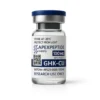

Glutathione
Original price was: $70.00.$62.00Current price is: $62.00.
Buy Glutathione – The Master Antioxidant for Optimal Health
Discover the Power of Your Body’s Most Potent Defense System
Glutathione is a remarkable tripeptide molecule composed of three amino acids: cysteine, glycine, and glutamine. Often called the “master antioxidant,” it plays a crucial role in protecting your cells from damage, supporting your immune system, and maintaining overall health. Despite being produced naturally in your body, factors like aging, stress, poor nutrition, and environmental toxins can deplete your glutathione levels, leaving you vulnerable to oxidative stress and its associated health problems.
What Makes Glutathione Essential?
Glutathione stands out among antioxidants for several reasons:
- Ubiquitous Presence: Found in virtually every cell of your body, with particularly high concentrations in the liver
- Multipurpose Function: Serves as an antioxidant, detoxifier, and immune system modulator
- Recycling Capability: Can regenerate other antioxidants like vitamins C and E
- Detoxification Power: Binds to toxins and heavy metals, making them water-soluble for elimination
Key Benefits of Glutathione
Potent Antioxidant Protection
Glutathione neutralizes harmful free radicals and prevents oxidative damage to cells, DNA, and proteins. This protection is crucial for preventing premature aging and reducing the risk of chronic diseases associated with oxidative stress.
Enhanced Detoxification
As the body’s primary detoxifier, glutathione conjugates with toxins, heavy metals, and carcinogens, making them water-soluble for easy elimination. This process occurs primarily in the liver, where glutathione levels are highest.
Immune System Support
Glutathione plays a vital role in optimizing immune function by enhancing the activity of natural killer cells, T-cells, and other immune components while regulating inflammation to prevent overactive immune responses.
Skin Health and Appearance
Glutathione has gained recognition for its effects on skin health. It inhibits melanin production by interfering with the enzyme tyrosinase, resulting in a brighter, more even skin tone. Its antioxidant properties also protect skin cells from UV-induced damage.
Factors That Deplete Glutathione
Several factors can reduce your body’s glutathione levels:
- Aging: Natural decline of approximately 10-15% per decade after age 20
- Chronic Stress: Physical, emotional, and oxidative stress increase glutathione consumption
- Poor Nutrition: Diets low in glutathione precursors (cysteine, glycine, and glutamine)
- Environmental Toxins: Exposure to pollutants, chemicals, and heavy metals
- Certain Medications: Including acetaminophen and some chemotherapy drugs
- Chronic Illness: Conditions that increase oxidative stress or inflammation
How to Boost Glutathione Levels
Dietary Sources
While direct dietary sources of glutathione are limited, you can boost your levels by consuming foods rich in its precursors:
- Sulfur-Rich Foods: Garlic, onions, and cruciferous vegetables (broccoli, cauliflower, Brussels sprouts)
- High-Protein Foods: Whey protein, eggs, and lean meats
- N-Acetylcysteine (NAC) Sources: Particularly effective for raising glutathione levels
Supplementation Options
Several forms of glutathione supplementation are available:
- Oral Glutathione: Traditional capsules and tablets (with variable absorption)
- Liposomal Glutathione: Enhanced absorption through lipid-based delivery
- N-Acetylcysteine (NAC): A precursor that effectively raises glutathione levels
- Injectable Glutathione: For therapeutic use under medical supervision
- IV Glutathione: Maximum bioavailability for clinical applications
Lifestyle Factors
Certain lifestyle practices can help maintain optimal glutathione levels:
- Regular Exercise: Moderate physical activity can boost glutathione production
- Adequate Sleep: Essential for cellular repair and antioxidant regeneration
- Stress Management: Reducing oxidative stress from psychological factors
- Avoiding Toxins: Minimizing exposure to environmental pollutants and chemicals
Glutathione and Specific Health Conditions
Research has explored glutathione’s potential role in various health conditions:
- Neurodegenerative Diseases: Low glutathione levels have been associated with Parkinson’s and Alzheimer’s diseases
- Cardiovascular Health: Glutathione helps protect against oxidative damage to blood vessels
- Diabetes: May improve insulin sensitivity and reduce oxidative stress
- Liver Disease: Supports detoxification processes in liver conditions
- Immune Disorders: Helps regulate immune function in autoimmune conditions
- Cancer Support: May reduce side effects of chemotherapy and radiation
Safety and Considerations
Glutathione is generally considered safe for most people when used appropriately. However, some considerations include:
- Dosage: Typical supplemental doses range from 250-1200mg daily, depending on the form and purpose
- Side Effects: Generally well-tolerated, though some may experience mild gastrointestinal symptoms
- Medical Interactions: Those with asthma should avoid inhaled forms, and individuals on certain medications should consult healthcare providers
- Pregnancy and Breastfeeding: Limited research exists, so medical guidance is recommended
Choosing a Quality Glutathione Supplement
When selecting a glutathione supplement, consider:
- Form: Liposomal or acetylated forms offer better absorption than standard oral glutathione
- Purity: Look for pharmaceutical-grade products without unnecessary additives
- Third-Party Testing: Ensures quality, potency, and absence of contaminants
- Reputable Manufacturers: Choose companies with transparent manufacturing practices
The Future of Glutathione Research
Ongoing research continues to explore glutathione’s potential in:
- Longevity Science: Investigating its role in extending healthspan
- Precision Medicine: Personalized approaches to glutathione optimization
- Novel Delivery Systems: Improving bioavailability and cellular uptake
- Biomarker Development: Using glutathione status as a measure of overall health
FAQs about Glutathione
-
What is glutathione and why is it important?
Glutathione is a tripeptide molecule that serves as the body’s master antioxidant, protecting cells from damage, supporting detoxification, and optimizing immune function. -
How can I tell if my glutathione levels are low?
Symptoms of low glutathione may include fatigue, brain fog, weakened immune function, slow recovery from illness, and visible signs of premature aging. Blood tests can measure glutathione levels more definitively. -
What’s the best way to increase glutathione levels?
The most effective approach typically combines a diet rich in glutathione precursors, lifestyle practices that reduce oxidative stress, and supplementation with bioavailable forms like liposomal glutathione or NAC. -
Is glutathione supplementation safe?
For most people, glutathione supplementation is considered safe when used at appropriate doses. However, those with specific medical conditions or taking certain medications should consult healthcare providers before beginning supplementation. -
How long does it take to see benefits from glutathione supplementation?
This varies by individual and the form used, but many people report improvements in energy and well-being within 2-4 weeks of consistent supplementation, with more pronounced benefits developing over 2-3 months.
Only logged in customers who have purchased this product may leave a review.
Related products



Reviews
There are no reviews yet.