
 Français
 Français
 Afrikaans
 English
 English
 English
 Español
 Italiano
 Nederlands
 Nederlands
 Norsk Nynorsk
 Português
 Português
 Português
 English

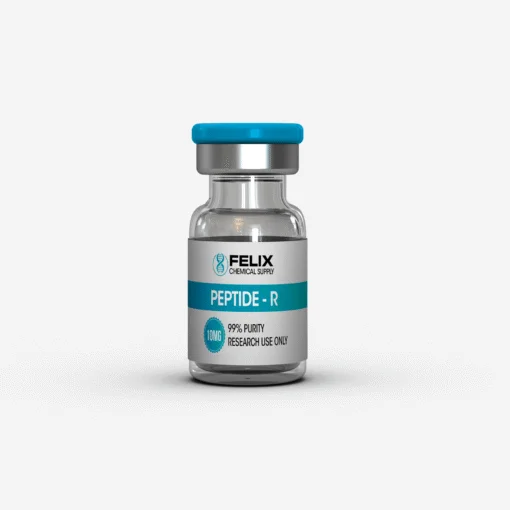
Peptide-R 50mg
Original price was: $299.00.$162.00Current price is: $162.00.
Buy Peptide-R 50mg (TB-500 / Thymosin Beta-4) — research-grade repair peptide for sale. Accelerated tissue healing, muscle recovery, anti-inflammation, angiogenesis support & more. Lab-verified ≥99% purity. Fast shipping to USA, Canada, Germany, France & worldwide. Order now.
Buy Peptide-R 50mg (TB-500 / Thymosin Beta-4) | Research-Grade Systemic Repair Peptide For Sale
When the body is injured, one of the very first peptides it mobilizes to the damage site is Thymosin Beta-4. It is found in extraordinarily high concentrations inside wound fluid, healing tendons, recovering muscle tissue, and post-injury cardiac cells. Your body already knows TB-500 works. Science is simply catching up to what biology figured out long ago.
You know that injury that won’t fully heal. The tendon that never quite came back. The muscle strain that keeps flaring three months later. The recovery window that keeps stretching no matter what you do. Standard interventions have a ceiling. Peptide-R 50mg (TB-500 / Thymosin Beta-4) is what serious researchers, sports medicine clinicians, and performance science professionals across the USA, Canada, Germany, France, and the UK are reaching for when healing needs to move faster than biology allows.
The global peptide therapeutics market was estimated at $131.95 billion in 2025 and is projected to grow to $334.95 billion by 2034 at a CAGR of 10.91% — and among all research peptides currently under investigation, TB-500 (Thymosin Beta-4) remains one of the most compelling and most studied in the tissue regeneration category. Ready to understand exactly why? Let’s go deep.
What Is Peptide-R 50mg (TB-500 / Thymosin Beta-4)?
TB-500 is a synthetic peptide derived from Thymosin Beta-4 (Tβ4), a naturally occurring protein found in virtually all human and animal cells. First isolated from the thymus gland in the 1960s when Dr. Allan Goldstein and his team at the Albert Einstein College of Medicine began characterizing the thymosin family of peptides. The thymus gland plays a critical role in immune system development, and Thymosin Beta-4 was identified as one of its key signaling molecules. What makes TB-500 clinically interesting is its role in cell migration, tissue repair, and inflammation regulation — when you’re injured, Thymosin Beta-4 is one of the first peptides released at the site of damage.
TB-500 is a synthetic 7-amino-acid peptide with the sequence Ac-LKKTETQ — corresponding to amino acids 17–23 of the full 43-amino-acid Thymosin Beta-4 molecule. The Ac- prefix means the leucine end is acetylated, which slows enzymatic breakdown and extends biological activity.
The 50mg vial format of Peptide-R provides bulk research supply at the highest per-milligram value — purpose-built for multi-week loading-plus-maintenance protocols that demand consistent batch quality throughout.
Peptide-R 50mg — Full Technical Specification
| Property | Detail |
|---|---|
| Product Name | Peptide-R 50mg |
| Active Compound | TB-500 (Thymosin Beta-4 Fragment Ac-LKKTETQ) |
| Vial Size | 50mg |
| Amino Acid Sequence | 7 amino acids (Ac-LKKTETQ) |
| Parent Protein | Thymosin Beta-4 (Tβ4) — 43 amino acids |
| Molecular Class | Actin-Binding Peptide Fragment / Thymosin |
| Form | Lyophilized powder (for reconstitution) |
| Storage (Lyophilized) | Refrigerated or cool/dark — up to 24 months |
| Storage (Reconstituted) | 2–8°C refrigerated — use within 28–30 days |
| Administration | Subcutaneous or intramuscular injection |
| Reconstitution | Bacteriostatic water (BAC water) |
| Purity Standard | ≥99% (third-party HPLC & Mass Spec verified) |
| Primary Research Areas | Tissue Repair, Anti-Inflammation, Angiogenesis, Cellular Migration |
| Intended Use | Research / Laboratory purposes only |
How Does Peptide-R 50mg (TB-500) Work? The Molecular Mechanism
Most peptides work locally. TB-500 is different — and that difference is everything.
The mechanism of TB-500 centers on a protein called G-actin. TB-500 binds G-actin and helps move it where the body needs it for cellular movement and tissue repair. That single interaction has downstream effects across several healing pathways: it supports the migration of stem cells and progenitor cells to sites of injury, promotes the formation of new blood vessels through angiogenesis, and dampens inflammatory signaling during the repair phase of healing.
TB-500 not only binds to actin but also blocks actin polymerization and serves as the actin-sequestering molecule in eukaryotic cells. It was identified as a gene that was up-regulated four-to-six fold during early blood vessel formation and found to promote the growth of new blood cells from existing vessels. This peptide is present in wound fluid and when administered, it promotes wound healing, muscle building, and speeds up recovery time of muscle fibres and their cells.
Recent 2024 research by Rahaman et al. revealed that TB-500’s wound-healing activity may stem from one of its metabolites, Ac-LKKTE, rather than the parent compound itself — suggesting that the way TB-500 is processed in the body matters as much as the peptide structure, and that its therapeutic cascade is even deeper than previously characterized.
In plain terms: a single injection of Peptide-R (TB-500) doesn’t just target one injury site. It circulates systemically, upregulates repair signals body-wide, and builds new blood supply to damaged tissue. That’s the mechanism other peptides can’t replicate.
8 Researched Benefits of Peptide-R 50mg (TB-500 / Thymosin Beta-4)
1. Accelerated Wound Healing
Studies have shown accelerated closure of skin wounds in rodents, improved recovery after corneal injury, and faster repair of cardiac tissue after simulated injury. A smaller body of early human research has explored Thymosin Beta-4 in clinical settings including diabetic foot ulcers and dry eye disease — with results promising enough to justify continued investigation.
2. Muscle Repair & Regeneration
TB-500 promotes tissue repair and regeneration across various tissues, including muscle, tendons, ligaments, and skin. For athletes and individuals recovering from muscle injuries, TB-500 aids in the regeneration of muscle fibers, reduces inflammation in damaged muscle tissue, and can potentially accelerate return to performance after acute or chronic injury.
3. Tendon & Ligament Recovery
In sports medicine and orthopedic settings, clinicians using TB-500 off-label describe faster recovery from tendon injuries, muscle strains, and chronic soft tissue problems that have not responded to standard care. Much of the enthusiasm traces back to animal studies showing improved tendon and ligament healing after TB-500 administration.
4. Powerful Anti-Inflammatory Action
TB-500 exhibits potent anti-inflammatory properties, reducing swelling and discomfort through actin regulation, angiogenesis signaling, and cell survival pathway modulation — facilitating faster recovery from injuries at the molecular level.
5. Angiogenesis — New Blood Vessel Formation
TB-500 was specifically identified as a gene up-regulated four-to-six fold during early blood vessel formation. Promoting the growth of new blood cells from existing vessels means damaged tissue receives the oxygen, nutrients, and immune signaling it needs to heal — faster and more completely than with passive recovery alone.
6. Cardiac Tissue Protection
Pilot studies in heart attack patients suggested improved cardiac function following Thymosin Beta-4 treatment. The compound’s ability to promote angiogenesis, inhibit apoptosis, and regulate inflammation makes it biologically relevant to cardiac recovery research — an area where early human trial data is genuinely promising.
7. Neuroprotection
Some studies indicate that Thymosin Beta-4 — and by extension TB-500 — may have neuroprotective effects, potentially aiding in recovery from neurological injuries like stroke or traumatic brain injury by promoting neuronal survival and regeneration.
8. Hair Follicle Regeneration
TB-500 may support hair follicle regeneration and improve scalp circulation, which can help with hair growth — especially in cases experiencing hair thinning due to inflammation or injury at the follicular level.
Benefits at a Glance
| Benefit | Primary Mechanism | Research Support |
|---|---|---|
| Wound Healing Acceleration | Cell migration + angiogenesis | ✅ Animal models + early human trials |
| Muscle Fiber Repair | G-actin regulation + stem cell migration | ✅ Preclinical + mechanistic |
| Tendon / Ligament Recovery | Actin-cytoskeletal remodelling | ✅ Animal + clinical observation |
| Anti-Inflammation | Inflammatory pathway inhibition | ✅ Well-characterized mechanism |
| Angiogenesis | VEGF signaling + new vessel formation | ✅ 4–6x upregulation confirmed |
| Cardiac Tissue Support | Apoptosis inhibition + repair pathways | ✅ Phase II pilot data |
| Neuroprotection | Neuronal survival signaling | ✅ Mechanistically supported |
| Hair Follicle Support | Scalp circulation + follicular repair | ✅ Research observation |
| Immune Modulation | Thymosin pathway + thymic signaling | ✅ Biologically plausible |
How to Use Peptide-R 50mg — Step-by-Step Protocol
How to Reconstitute Peptide-R 50mg (TB-500)
TB-500 comes as a lyophilized (freeze-dried) powder that must be reconstituted with bacteriostatic water before injection.
Step 1 — Gather Your Supplies
You need: Peptide-R 50mg vial, bacteriostatic water (BAC water), sterile insulin syringe (1mL), alcohol swabs, sharps container, and a clean preparation surface.
Step 2 — Calculate Concentration
For a 5mg/mL concentration from the 50mg vial: add 10mL of bacteriostatic water. This gives you 10 individual doses at 5mg each, or 20 doses at 2.5mg each — perfect for a full loading-plus-maintenance research cycle from a single vial.
For a 2.5mg/mL concentration: add 20mL of BAC water — 20 doses of 2.5mg, drawn as 1mL per injection. Choose the concentration that suits your syringe markings and protocol.
Step 3 — Add BAC Water Gently
Swab the stoppers of both vials. Draw your BAC water and inject it slowly down the inner wall of the peptide vial — never directly onto the lyophilized powder cake. This prevents denaturing the peptide structure.
Step 4 — Swirl, Don’t Shake
Gently swirl the vial until the powder fully dissolves. The solution should be clear and colorless. Never shake — agitation degrades peptide bonds.
Step 5 — Label and Store
Store reconstituted TB-500 solution refrigerated at 2–8°C and use within 28–30 days. Do not freeze reconstituted solutions. Lyophilized powder should be kept refrigerated or in a cool, dark place — away from heat and light.
How to Dose Peptide-R 50mg (TB-500) — Loading & Maintenance Protocol
TB-500 research protocols are almost universally structured in two phases: a loading phase to rapidly saturate tissue and achieve systemic distribution, followed by a maintenance phase to sustain those levels. Starting with maintenance doses alone would delay the onset of measurable effects.
Loading Phase (Weeks 1–4 to 1–6)
Community-referenced research planning frequently uses approximately 2–2.5mg subcutaneously twice weekly during a 4–6 week loading phase to rapidly build tissue saturation. The loading phase is non-negotiable for TB-500’s systemic mechanism — it requires body-wide tissue saturation before meaningful repair signals can cascade consistently.
Maintenance Phase (Weeks 5–12+)
After loading, a maintenance phase drops the weekly dose to 2mg or less, often given once weekly. Some protocols use higher acute doses for specific injuries and shorter cycles.
| Phase | Dose Per Injection | Frequency | Duration |
|---|---|---|---|
| Loading — Beginner | 2mg | Twice weekly | 4 weeks |
| Loading — Intermediate | 2.5mg | Twice weekly | 4–6 weeks |
| Loading — Advanced / Acute Injury | 5mg | Twice weekly | 4–6 weeks |
| Maintenance — Standard | 2–2.5mg | Once weekly | 6–12 weeks |
| Maintenance — Low-dose Extended | 1–2mg | Once weekly | Ongoing (reassess at 12wk) |
50mg Vial Supply Math (at standard intermediate protocol):
- Loading: 2.5mg × 2/week × 6 weeks = 30mg consumed
- Maintenance: 2.5mg × 1/week × 8 weeks = 20mg consumed
- Total: 50mg = one complete loading + maintenance cycle — exactly what the 50mg vial is designed for.
How to Inject Peptide-R 50mg (TB-500) Correctly
Step 1 — Choose Your Injection Site
TB-500’s systemic mechanism means site selection is less critical than for locally-acting peptides. TB-500 moves quickly through muscles, joints, and connective tissues — going after damaged areas that need to be fixed. It doesn’t stay in one place. The abdomen (2 inches from the navel), front of the thigh, and outer upper arm are all appropriate subcutaneous sites.
Step 2 — Prep the Skin
Clean the injection site with an alcohol swab. Allow to dry fully before inserting the needle.
Step 3 — Draw Your Dose
Using a fresh insulin syringe, draw the calculated volume from your reconstituted Peptide-R vial. Tap and expel any air bubbles.
Step 4 — Subcutaneous or Intramuscular
For subcutaneous injection: pinch the skin at a 45° angle, insert needle, depress slowly, hold 3–5 seconds before withdrawing. For intramuscular: inject at 90° into muscle belly (usually the thigh). Both routes are used in TB-500 research — SubQ is more common for comfort and convenience.
Step 5 — Rotate Sites Every Injection
Never inject the same spot consecutively. Rotate across different quadrants of the abdomen and between the thigh sites to prevent localized tissue reactions.
Step 6 — Timing Notes
TB-500 does not require fasted administration (unlike GH-stimulating peptides). It can be injected at any time of day. For injury-specific acute protocols, some researchers time injections in the evening to coincide with natural overnight repair processes.
Best Stacks With Peptide-R 50mg (TB-500)
TB-500 is powerful alone. Stack it with the right compounds and you create a synergistic repair environment that addresses healing from multiple biological angles simultaneously.
TB-500 is often stacked with BPC-157 for complementary localized + systemic healing effects — BPC-157 acts primarily at the local injury site via nitric oxide and VEGFR2 pathways, while TB-500 works systemically through actin-regulation and cell migration. Together, they cover ground neither can cover alone.
| Stack | Goal | Research Rationale |
|---|---|---|
| Peptide-R + BPC-157 | Comprehensive tissue repair | Local (BPC-157) + systemic (TB-500) healing synergy |
| Peptide-R + CJC-1295 (Peptide-C) | Recovery + lean mass support | GH-axis stimulation amplifies tissue regeneration |
| Peptide-R + Ipamorelin | Recovery + GH pulse | Acute GH release supports post-injury muscle repair |
| Peptide-R + GHK-Cu | Skin + connective tissue repair | Copper peptide + TB-500 for collagen & elastin remodelling |
| Peptide-R + Epitalon | Anti-aging + cellular longevity | Telomerase activation + systemic tissue repair |
| Peptide-R + PT-141 | Full wellness protocol | Comprehensive systemic peptide support |
Peptide-R 50mg vs. Competing Research Peptides
| Compound | Mechanism | Systemic? | Tendon/Ligament | Muscle Repair | Angiogenesis | Anti-Inflammatory |
|---|---|---|---|---|---|---|
| Peptide-R / TB-500 | G-actin + cell migration | ✅ Yes | ⭐⭐⭐⭐⭐ | ⭐⭐⭐⭐⭐ | ⭐⭐⭐⭐⭐ | ⭐⭐⭐⭐⭐ |
| BPC-157 | Nitric oxide / VEGFR2 | ⚠️ Primarily local | ⭐⭐⭐⭐⭐ | ⭐⭐⭐⭐ | ⭐⭐⭐⭐ | ⭐⭐⭐⭐⭐ |
| GHK-Cu | Collagen synthesis | ⚠️ Topical / local | ⭐⭐⭐ | ⭐⭐⭐ | ⭐⭐⭐ | ⭐⭐⭐⭐ |
| Ipamorelin | GH release (pituitary) | ✅ Yes | ⭐⭐ | ⭐⭐⭐⭐ | ⭐⭐ | ⭐⭐ |
| CJC-1295 | GHRH analog / IGF-1 | ✅ Yes | ⭐⭐ | ⭐⭐⭐⭐ | ⭐⭐ | ⭐⭐ |
| KPV | Anti-inflammatory peptide | ⚠️ Localized | ⭐⭐ | ⭐⭐ | ⭐⭐ | ⭐⭐⭐⭐⭐ |
The defining advantage of Peptide-R (TB-500) is its systemic reach. It doesn’t wait for you to inject precisely at the injury site. It circulates, finds the damage, and activates repair from within — a capability no locally-acting peptide can match.
Market Statistics — The Research Peptide Surge Behind TB-500
- The global peptide therapeutics market was estimated at $131.95 billion in 2025 growing to $334.95 billion by 2034 at a CAGR of 10.91%. Simple Peptide
- The global peptide therapeutics market is projected to reach approximately $58 billion in 2026, representing growth of approximately 11% over 2025 — making peptides one of the fastest-growing drug classes in the entire pharmaceutical industry. HealingMaps
- North America holds the largest share at over 50.90% of global peptide therapeutics revenue, with peptide market growth driven by rising chronic disease, expanding regenerative medicine applications, and increasing investment in precision biologics. Superpower
- Online drug stores for peptide therapeutics are projected to grow at a CAGR of 5.51% between 2026 and 2035 — directly reflecting how researchers across the USA, Canada, Germany, France, and Australia are sourcing compounds like Peptide-R 50mg TB-500 today. Innerbody
- The global peptide synthesis market was valued at $750.66 million in 2025 and is projected to reach $1.93 billion by 2033 at a CAGR of 12.5% — underpinning the manufacturing infrastructure delivering high-purity compounds like Peptide-R 50mg to research buyers worldwide. Jeffrey Peng MD
Side Effects & Safety Profile
TB-500 has one of the most favorably documented safety profiles among injectable research peptides. Transparency is non-negotiable, so here is the full picture:
| Observed Effect | Likelihood | Notes |
|---|---|---|
| Mild injection site redness | Occasional | Transient; rotate sites |
| Temporary fatigue post-injection | Rare | Reported at higher loading doses |
| Headache | Rare | Usually dose-related; resolves |
| Flushing / warmth | Very Rare | Short-lived; resolves without intervention |
| Nausea | Very Rare | Typically mild; usually loading-phase only |
| Immunomodulatory effects (long-term) | Not fully characterized | Beyond 6 months — more long-term data needed |
| Significant adverse events | Not observed in short-to-medium research | Excellent short-term safety profile |
“The science behind Thymosin Beta-4 is compelling. It has well-characterized mechanisms involving angiogenesis, anti-inflammatory signaling, and cellular repair that are directly relevant to tendinopathies, muscle strains, ligament injuries, and joint degeneration. Early human trials show it is safe and biologically active.” — Dr. Jeffrey Peng, MD, Board-Certified Sports Medicine Physician (2026) NuScience Peptides
⚠️ TB-500 appears on the WADA Prohibited List (Section S2) since 2011. Competitive athletes subject to anti-doping testing must avoid this compound. Always consult a licensed healthcare or research professional before initiating any peptide protocol.
FAQs About Peptide-R 50mg (TB-500 / Thymosin Beta-4) for Sale
1. What is Peptide-R 50mg (TB-500) and what is it researched for?
TB-500 is a synthetic peptide fragment derived from Thymosin Beta-4 — a naturally occurring protein found in virtually all human and animal cells. It plays critical roles in tissue repair, inflammation control, and cellular regeneration. In research settings, it is one of the most studied compounds for accelerating recovery across muscle, tendon, ligament, cardiac, and neurological tissue.
2. Why is the 50mg vial size the best option for TB-500 research?
A standard TB-500 research protocol requires 30–50mg across a full loading + maintenance cycle. The Peptide-R 50mg vial covers exactly one complete research cycle — loading phase (typically 2.5mg twice weekly × 6 weeks = 30mg) and maintenance phase (2.5mg once weekly × 8 weeks = 20mg) from a single, batch-consistent vial. That means no switching between vials mid-protocol, no purity variance between batches, and significantly better per-milligram cost efficiency versus smaller 5mg or 10mg vials.
3. What is the TB-500 loading and maintenance dosage protocol?
Community-referenced research protocols use approximately 2–2.5mg subcutaneously twice weekly during a 4–6 week loading phase, followed by a maintenance phase of 2–2.5mg once weekly for sustained systemic tissue saturation. The loading phase is essential — skipping it significantly delays measurable effects given TB-500’s need for systemic tissue saturation before repair cascades activate reliably.
4. What is the difference between TB-500 and full-length Thymosin Beta-4 (Tβ4)?
TB-500 is a synthetic 7-amino-acid fragment (Ac-LKKTETQ) corresponding to amino acids 17–23 of the full 43-amino-acid Thymosin Beta-4 molecule. It retains the critical actin-binding motif responsible for cell migration and repair signaling. Most published human clinical work has used full-length Tβ4 — giving the parent molecule a richer human data context — but TB-500 is more commercially available and widely used in research settings.
5. Can Peptide-R (TB-500) be stacked with BPC-157?
Yes — TB-500 + BPC-157 is the most established healing peptide stack in research settings. BPC-157 operates primarily at the local injury site through nitric oxide and VEGFR2 signaling, while TB-500 works systemically through actin-regulation and cell migration. Their mechanisms are genuinely complementary — covering healing from both localized and systemic angles simultaneously.
6. How should Peptide-R 50mg be stored after reconstitution?
Reconstituted TB-500 in BAC water must be refrigerated at 2–8°C and used within 28–30 days. Do not freeze reconstituted peptide solutions — freezing causes peptide bond degradation. Lyophilized (unreconstituted) powder should be kept refrigerated or in a cool, dark place away from heat and light. Always label your reconstitution date immediately after preparing the solution.
7. Does Peptide-R 50mg (TB-500) have anti-inflammatory properties?
Yes. TB-500 exhibits potent anti-inflammatory properties, reducing swelling and discomfort through actin regulation, angiogenesis pathway modulation, and direct cell survival signaling. These anti-inflammatory effects are intrinsic to its mechanism — not a secondary or incidental effect.
8. How does TB-500 support angiogenesis?
TB-500 was specifically identified as a gene that was up-regulated four-to-six fold during early blood vessel formation. It promotes the growth of new blood cells from existing vessels — meaning damaged tissue receives the oxygen, nutrients, growth factors, and immune cells it needs for complete repair through newly formed vascular supply. This is a key reason why TB-500 excels at repairing chronically injured tissue where blood supply is already compromised.
9. Is TB-500 prohibited in competitive sport?
Yes. TB-500 is prohibited by WADA for competitive athletes and has appeared on the WADA Prohibited List under Section S2 (Peptide Hormones, Growth Factors, Related Substances and Mimetics) since 2011. All competitive athletes subject to anti-doping testing must avoid this compound. This product is sold strictly for research and laboratory use only.
10. What is the half-life and detection window of TB-500?
There is limited data on exactly how long TB-500 stays in the system, but its effects can last for several weeks after use. Detection times may vary based on dosage, metabolism, and frequency of use. The 2012 LC-MS detection method published by Ho, Kwok, Lau and colleagues in the Journal of Chromatography A was developed specifically to detect TB-500 misuse in racehorses using urine and plasma testing.
11. How does Peptide-R (TB-500) differ from steroids and HGH?
TB-500 is not a steroid, not a growth hormone, and not an anabolic agent in the traditional sense. Unlike peptides that focus on fat loss or muscle growth, Peptide-R / TB-500 is primarily researched for healing and recovery. Its ability to move quickly and systemically through muscles, joints, and connective tissues — seeking out damaged areas — is a fundamentally different biological mechanism to androgenic compounds or synthetic GH.
12. What research areas is TB-500 / Thymosin Beta-4 currently being investigated in?
Research has investigated TB-500 and Thymosin Beta-4 across multiple therapeutic areas: Phase II clinical trials for dry eye treatment showing improved tear production and reduced discomfort; pilot studies in heart attack patients suggesting improved cardiac function; animal studies demonstrating accelerated wound healing with functional recovery beginning as early as 6 hours post-injury; and multiple orthopedic and sports medicine applications including tendon injuries, muscle strains, and chronic soft tissue conditions
Only logged in customers who have purchased this product may leave a review.
Related products

Reviews
There are no reviews yet.