
 Français
 Français
 Afrikaans
 English
 English
 English
 Español
 Italiano
 Nederlands
 Nederlands
 Norsk Nynorsk
 Português
 Português
 Português
 English

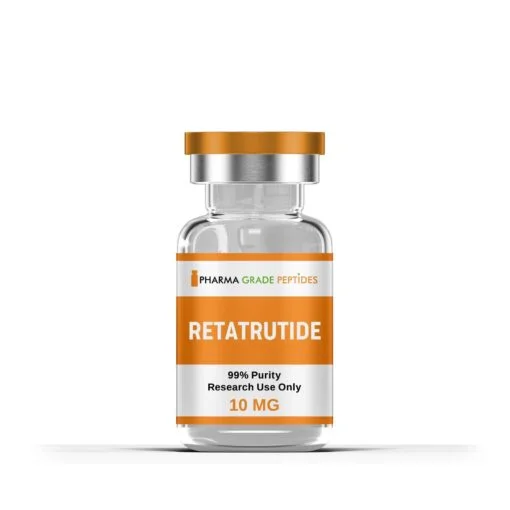
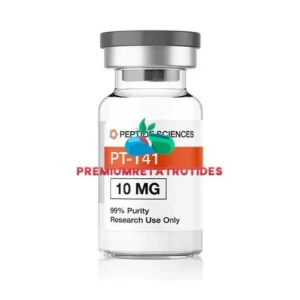
Retatrutide 10mg
Original price was: $100.00.$86.00Current price is: $86.00.
Buy Retatrutide 10mg for sale — the world’s most powerful triple-receptor agonist peptide (GLP-1, GIP, Glucagon). Lab-tested, high-purity, fast shipping to USA, Canada, Germany & beyond. Order now.
Buy Retatrutide 10mg | The Most Powerful Weight Loss Peptide Ever Studied, Now For Sale
28.7% average body weight lost. That is not a headline from a supplement ad — that is a Phase 3 clinical trial result from Eli Lilly’s TRIUMPH-4 study, published in December 2025. Semaglutide (Ozempic/Wegovy) delivers roughly 15% weight loss at best. Tirzepatide (Mounjaro) gets you to about 22%. Retatrutide just rewrote every benchmark in the metabolic research space — and if you are serious about acquiring the most advanced triple-receptor agonist peptide available today, you are in the right place.
Retatrutide 10mg is available for sale right now, supplied as a high-purity, lyophilized research-grade peptide. Lab-tested. Precisely dosed. Ready to ship.
What Is Retatrutide 10mg and Why Is Everyone Buying It?
Retatrutide (also known by its development code LY3437943) is a synthetic, next-generation tri-agonist peptide originally developed by Eli Lilly and Company. Unlike every GLP-1 peptide that came before it, Retatrutide does not target one receptor or even two. It hits three simultaneously — GLP-1, GIP (glucose-dependent insulinotropic polypeptide), and the glucagon receptor.
Each of those three pathways does something distinct. Together, they create a metabolic effect that no single or dual agonist can replicate.
Think of it like this: semaglutide turns one dial. Tirzepatide turns two. Retatrutide turns all three — and the results speak for themselves.
The worldwide demand for Retatrutide for sale has surged dramatically since Phase 2 and Phase 3 trial data went public. Researchers, metabolic health professionals, and institutions across the USA, Canada, Germany, France, the UK, and Australia are actively sourcing this compound. This Retatrutide 10mg vial gives you a precisely dosed, lyophilized format that is stable, reproducible, and built for serious research protocols.
Retatrutide 10mg — Product Specifications At a Glance
| Feature | Details |
|---|---|
| Active Compound | Retatrutide (LY3437943) |
| Form | Lyophilized powder (white to off-white) |
| Quantity | 10mg per vial |
| Purity | ≥99% (HPLC and Mass Spectrometry verified) |
| Receptor Targets | GLP-1, GIP, Glucagon |
| Reconstitution | Bacteriostatic water required |
| Storage (Unreconstituted) | -20°C up to 24 months, sealed and protected from light |
| Storage (Reconstituted) | 2–8°C, up to 28–30 days |
| Testing | Third-party COA available |
| Shipping | USA, Canada, EU (Germany, France, UK) & International |
| Use Classification | Research use only |
The Science Behind Retatrutide — What Three Receptors Actually Do
You deserve to understand exactly what you are buying — and why the triple-agonist mechanism is genuinely different from anything before it.
GLP-1 Receptor Agonism
GLP-1 is a gut-derived hormone released after eating. When Retatrutide activates the GLP-1 receptor, it enhances insulin secretion in a glucose-dependent manner, suppresses appetite and caloric intake, slows gastric emptying (keeping you fuller longer), and reduces blood glucose levels. This is the same receptor semaglutide targets — but Retatrutide does not stop there.
GIP Receptor Modulation
GIP (glucose-dependent insulinotropic polypeptide) is a second gut hormone that improves nutrient partitioning, enhances insulin sensitivity, and works synergistically with GLP-1 to produce greater satiety and metabolic benefit than either achieves alone. Tirzepatide adds this second receptor to semaglutide’s approach. Retatrutide includes it and goes further still.
Glucagon Receptor Activation
This is where Retatrutide separates itself from every competitor. The glucagon receptor directly drives energy expenditure — your body’s metabolic burn rate. Activating it tells your body to burn more fat for fuel, particularly visceral and hepatic (liver) fat. No other approved or investigational weight-loss peptide in this class does this. It is the third lever. It is why the numbers look the way they do.
Retatrutide Results — What the Clinical Data Actually Shows
This is not anecdotal. This is peer-reviewed, published trial data from some of the most respected journals in medicine.
| Trial / Study | Dose | Duration | Weight Loss Result |
|---|---|---|---|
| Phase 2 — NEJM, 2023 (Jastreboff et al.) | 12mg weekly | 48 weeks | -24.2% body weight |
| Phase 2 — NEJM, 2023 | 8mg weekly | 48 weeks | -22.8% body weight |
| Phase 2 — NEJM, 2023 | 12mg weekly | 24 weeks | -17.5% (41.2 lbs) |
| Phase 2 — Nature Medicine, 2024 | 12mg weekly | 24 weeks | -82.4% liver fat reduction |
| Phase 3 — TRIUMPH-4, December 2025 | 12mg weekly | 68 weeks | -28.7% body weight (71.2 lbs) |
| Phase 3 — TRIUMPH-4, December 2025 | 9mg weekly | 68 weeks | -26.4% body weight |
Sources: Jastreboff AM et al., N Engl J Med. 2023 (https://doi.org/10.1056/NEJMoa2301972) | Harrison SA et al., Nature Medicine. 2024 (https://www.nature.com/articles/s41591-024-03018-2) | Eli Lilly TRIUMPH-4 Press Release, December 2025 (https://www.prnewswire.com)
These are not small-sample pilot studies. The TRIUMPH Phase 3 program enrolled over 5,800 participants across four global trials. The results are the highest weight loss percentages ever recorded in a clinical trial for an obesity drug in history.
Retatrutide vs. Semaglutide vs. Tirzepatide — Full Comparison
You want to know how Retatrutide stacks up. Here it is, straight:
| Compound | Receptors Targeted | FDA Approved | Peak Trial Weight Loss | Liver Fat Reduction | Muscle Preservation |
|---|---|---|---|---|---|
| Retatrutide (LY3437943) | GLP-1 + GIP + Glucagon | No (Phase 3) | 28.7% at 68 weeks | Up to 82.4% | Noted advantage |
| Tirzepatide (Mounjaro/Zepbound) | GLP-1 + GIP | Yes | 22.5% at 72 weeks | Moderate | Comparable |
| Semaglutide (Ozempic/Wegovy) | GLP-1 only | Yes | 14.9–15% at 68 weeks | Limited | Lower |
Retatrutide consistently outperforms both in trial head-to-head efficacy. The gap is not marginal — it is structural. A compound with three metabolic levers will outperform one with two or one every time the right protocol is applied.
Key Research Benefits of Retatrutide 10mg
| Benefit Area | What the Research Shows |
|---|---|
| Fat Loss | Up to 28.7% total body weight reduction in Phase 3 trials |
| Liver Fat (MASLD/NASH) | Up to 82.4% reduction in liver fat at 24 weeks (Nature Medicine, 2024) |
| Blood Glucose Control | HbA1c reduction of 1.3–2.0% across 4–12mg dose groups |
| Cardiovascular Markers | Improved triglycerides, non-HDL cholesterol; systolic BP reduced by 14 mmHg at highest dose |
| Waist Circumference | Significant reduction across all active dose groups |
| Appetite Regulation | Pronounced reduction in caloric intake via multi-pathway satiety signaling |
| Insulin Sensitivity | Substantially improved in both diabetic and non-diabetic subjects |
| Muscle Preservation | Evidence suggests better lean mass preservation vs. GLP-1-only agents |
How to Use Retatrutide 10mg — Complete Step-by-Step Guide
Retatrutide 10mg is supplied as a lyophilized (freeze-dried) powder. Before it can be used in any research protocol, it must be reconstituted with bacteriostatic water. Here is exactly how to do it — properly, safely, and without damaging the peptide.
How to Reconstitute Retatrutide 10mg
Getting this step right matters. The bacteriostatic water volume you choose determines your concentration, your dose precision, and how long your vial lasts. The two most practical reconstitution options for a Retatrutide 10mg vial are:
| BAC Water Added | Resulting Concentration | Volume per 1mg Dose |
|---|---|---|
| 1mL | 10mg/mL | 0.1mL (10 units on insulin syringe) |
| 2mL | 5mg/mL | 0.2mL (20 units on insulin syringe) |
The 2mL reconstitution is generally preferred for beginners — it gives you more flexibility when measuring small dose volumes with a standard U-100 insulin syringe.
Step-by-Step Reconstitution
Step 1 — Prepare your workspace. Work on a clean, flat surface. Wash your hands thoroughly with soap and warm water for at least 20 seconds. Allow to air dry completely. Never rush this step.
Step 2 — Wipe the vial stoppers. Use a fresh alcohol swab to clean the rubber stopper of both your Retatrutide vial and your bacteriostatic water vial. Allow them to air dry for about 10 seconds. Do not blow on them — your breath carries bacteria.
Step 3 — Draw the bacteriostatic water. Using a sterile syringe, pull the plunger back to your chosen volume (1mL or 2mL). Check for air bubbles and remove them by tapping the syringe and gently pushing the plunger. Precision here directly affects your dosing accuracy.
Step 4 — Inject water into the Retatrutide vial. Insert the needle through the rubber stopper and angle it so the tip touches the inner glass wall of the vial. Inject the bacteriostatic water slowly, letting it run down the side of the glass. Do not squirt it directly onto the powder — forceful injection can damage the peptide chains through agitation.
Step 5 — Swirl, do not shake. Once the water is in, gently swirl the vial in slow circles until the powder is fully dissolved. The resulting solution should be clear and free of particles or cloudiness. If it appears cloudy or has visible clumps, do not use it.
Step 6 — Label and store immediately. Write the reconstitution date on the vial. Refrigerate at 2–8°C. Use within 28–30 days. Do not freeze a reconstituted vial — ice crystal formation damages peptide structure.
How to Store Retatrutide 10mg
Proper storage is the difference between an active, effective peptide and a degraded one. Here’s the full breakdown:
| Condition | Storage Method | Duration |
|---|---|---|
| Unreconstituted (lyophilized) | -20°C, sealed, away from light | Up to 24 months |
| Unreconstituted (short-term) | 2–8°C, sealed, away from light | Up to 3–4 months |
| Reconstituted with BAC water | Refrigerated at 2–8°C | Up to 28–30 days |
| Reconstituted with sterile water | Refrigerated at 2–8°C | 24–48 hours only |
| Avoid | Freezing after reconstitution | Damages peptide |
| Avoid | Repeated freeze-thaw cycles | Degrades stability |
Retatrutide Dosage Reference — Research Protocol Guide
Published Phase 2 trials used doses ranging from 1mg to 12mg administered once weekly via subcutaneous injection, with all groups beginning at 0.5mg and escalating gradually to allow gastrointestinal tolerance to build.
| Phase / Week | Dose | Purpose |
|---|---|---|
| Weeks 1–2 | 0.5mg weekly | Introduction, tolerance building |
| Weeks 3–4 | 1mg weekly | Dose escalation |
| Weeks 5–8 | 2–4mg weekly | Advancing protocol |
| Weeks 9–12 | 4–8mg weekly | Active research phase |
| Weeks 12+ | Up to 12mg weekly | Maximum studied dose |
Gradual escalation is critical. All three receptor pathways activate simultaneously at higher doses — jumping straight to a high dose significantly increases gastrointestinal side effects including nausea, vomiting, and diarrhea. Slow titration is the established Phase 2 and Phase 3 protocol.
At 10mg/mL concentration (1mL BAC water in a Retatrutide 10mg vial): 1 unit on a U-100 insulin syringe equals 100mcg (0.1mg). So a 2mg dose = 20 units. A 4mg dose = 40 units. Clean, simple math every time.
Why Buy Retatrutide 10mg From Us?
The Retatrutide for sale market has grown fast. Not every vendor delivers what they promise. Quality, purity, and documentation matter enormously when you are investing in a research-grade peptide. Here is what makes this product the right choice:
| Quality Factor | What You Get |
|---|---|
| Purity Level | ≥99% verified by HPLC and Mass Spectrometry |
| Certificate of Analysis | Third-party COA available for every batch |
| Manufacturing Standard | GMP-compliant lyophilization process |
| Format | Stable lyophilized powder — optimized for shipping and storage |
| Batch Coding | Unique lot tracking for full traceability |
| Documentation | Full FTIR, HPLC, and concentration batch results |
| Shipping | Fast, tracked dispatch to USA, Canada, Germany, France, UK, Australia |
| Packaging | Induction-sealed vials, tamper-evident, light-protected |
When you buy Retatrutide 10mg here, you are not guessing at purity or betting on an unverified vendor. Every vial ships with documented proof of what is inside.
FAQs About Retatrutide 10mg for sale
Q1: What is Retatrutide and what makes it different from other GLP-1 peptides? Retatrutide (LY3437943) is a synthetic triple-receptor agonist peptide that simultaneously activates GLP-1, GIP, and glucagon receptors. Every other peptide in this class — semaglutide and tirzepatide included — targets fewer receptors. The glucagon receptor component is uniquely powerful: it directly drives fat oxidation and energy expenditure, something no single or dual GLP-1 agonist can replicate. That structural difference is why Retatrutide results in clinical trials exceed everything before it.
Q2: How much weight can be lost with Retatrutide? Phase 2 trial data published in the New England Journal of Medicine (Jastreboff et al., 2023) showed up to 24.2% body weight reduction at 48 weeks at the 12mg dose. Phase 3 TRIUMPH-4 data (December 2025) pushed that further — participants on 12mg lost an average of 28.7% of their body weight (approximately 71.2 lbs / 32.3 kg) at 68 weeks. That is the highest weight loss result ever recorded in a clinical trial for an obesity medication. To put it in plain terms: a 250 lb (113kg) person could expect to lose approximately 71 lbs on a full-dose, 68-week protocol based on trial data.
Q3: How do I reconstitute a Retatrutide 10mg vial? Add 1–2mL of bacteriostatic water by injecting it slowly down the inner glass wall of the vial — never directly onto the powder. Swirl gently until dissolved. Do not shake. The solution should be clear. For a 2mL reconstitution of a Retatrutide 10mg vial, your resulting concentration is 5mg/mL. Store immediately at 2–8°C and use within 28–30 days. Full step-by-step instructions are included in the “How To” section above.
Q4: How is Retatrutide administered and how often? Based on Phase 2 and Phase 3 clinical protocols, Retatrutide is administered once weekly via subcutaneous injection. Common injection sites include the abdomen, upper thigh, or outer upper arm. Rotate sites between injections to prevent local tissue reactions. Inject at the same time each week for consistency.
Q5: Does Retatrutide require a post-cycle protocol? Unlike SARMs such as RAD140, Retatrutide does not suppress natural testosterone production and does not require post-cycle hormone therapy (PCT). It operates exclusively on metabolic receptor pathways. However, researchers and users should monitor liver function markers, blood glucose, thyroid, and cardiovascular markers periodically throughout a research protocol, particularly at higher doses or with extended durations.
Q6: What are the side effects of Retatrutide? The most commonly reported side effects in clinical trials are gastrointestinal in nature — nausea, diarrhea, constipation, vomiting, and decreased appetite. These are most pronounced at the start of a protocol or when the dose is escalated too quickly. Gradual titration (starting at 0.5mg and increasing over several weeks) significantly reduces GI side effects and is the protocol used in both Phase 2 and Phase 3 trials. In TRIUMPH-4, discontinuation rates due to adverse events were 12.2% at 9mg and 18.2% at 12mg, compared to 4.0% for placebo. Cardiovascular parameters, including blood pressure and cholesterol, actually improved in active dose groups.
Q7: Is Retatrutide FDA-approved? Not yet. As of 2026, Retatrutide is currently in Phase 3 clinical trials under Eli Lilly’s TRIUMPH program, which enrolled 5,800+ participants. FDA approval is expected no earlier than late 2027. Retatrutide 10mg is currently available for sale as a research compound only — it is not approved for human therapeutic use. Always verify legal status in your country before purchasing.
Q8: Can Retatrutide be used for liver disease research? Yes — and this is one of the most exciting areas of current research. A 2024 sub-study published in Nature Medicine found that Retatrutide reduced liver fat by up to 82.4% at the 12mg dose over 24 weeks in participants with Metabolic Dysfunction-Associated Steatotic Liver Disease (MASLD). At the 8mg dose, 79% of participants achieved normal liver fat levels (<5%). This is an extraordinary finding for a condition with very limited effective treatment options.
Q9: How does Retatrutide compare to Ozempic (semaglutide)? The comparison is not close, at least not in terms of weight loss magnitude. Semaglutide at 2.4mg weekly produced 14.9% average weight loss over 68 weeks in its pivotal trial. Retatrutide at 12mg produced 28.7% over 68 weeks in TRIUMPH-4. That is nearly double the efficacy. The mechanism explains it: semaglutide targets GLP-1 only. Retatrutide hits GLP-1, GIP, and glucagon — three independently meaningful metabolic pathways working in concert. (Sources: Wilding et al., NEJM 2021 | Eli Lilly TRIUMPH-4 Release, 2025)
Q10: How long does a Retatrutide 10mg vial last after reconstitution? When reconstituted with bacteriostatic water and stored properly at 2–8°C, a Retatrutide 10mg vial remains stable for 28–30 days. If reconstituted with plain sterile water (no preservative), use within 24–48 hours. Never freeze a reconstituted vial — ice crystal formation physically damages the peptide chains and reduces both potency and purity.
Q11: What is the ideal dose range for Retatrutide research protocols? Published Phase 2 and Phase 3 data used once-weekly subcutaneous doses from 1mg to 12mg, with all groups beginning at 0.5mg. The most significant results were observed at the 8mg and 12mg dose levels. Dose escalation over 8–12 weeks allows GI tolerance to develop. For Retatrutide 10mg vials, a 2mL reconstitution gives you 5mg/mL concentration — enough for five 1mg doses or two 4mg doses per vial, making it the most practical format for early protocol phases.
Q12: Where can I buy Retatrutide 10mg with verified purity? You are already here. When you buy Retatrutide from us, you receive a third-party HPLC-verified, ≥99% purity, GMP-manufactured lyophilized 10mg vial with a Certificate of Analysis and batch-level documentation. We ship to the USA, Canada, Germany, France, Australia, and internationally with tracked dispatch. This is the standard that serious research demands — and the standard we deliver every single order.
Only logged in customers who have purchased this product may leave a review.
Related products
Reviews
There are no reviews yet.