
 Français
 Français
 Afrikaans
 English
 English
 English
 Español
 Italiano
 Nederlands
 Nederlands
 Norsk Nynorsk
 Português
 Português
 Português
 English
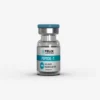

Peptide-T 60mg
Original price was: $235.00.$170.00Current price is: $170.00.
Buy Peptide-T 60mg (Tirzepatide / Dual GIP+GLP-1 Receptor Agonist) — research-grade 60mg bulk vial. ≥99% purity, HPLC verified. Studied for glucose regulation, superior weight loss, cardiometabolic protection & incretin dual-receptor signaling. Fast shipping USA, Canada, Germany, France & worldwide. Order now.
High Quality Peptide-T 60mg (Tirzepatide) For Sale | Buy Research Peptide | 60mg Bulk Vial
In the first-ever head-to-head randomized trial between Tirzepatide and Semaglutide — published in the New England Journal of Medicine in 2025 — Tirzepatide produced 20.2% average body weight loss versus 13.7% for Semaglutide. That’s a 47% greater relative weight reduction. And in SURMOUNT-1, participants on the maximum dose lost an average of 52 lbs (24 kg) — 22.5% of total body weight — in just 72 weeks. No other metabolic research peptide in history has produced numbers like these.
This is what dual-receptor activation looks like in practice. Peptide-T 60mg (Tirzepatide) doesn’t just mimic one incretin hormone — it simultaneously activates two: GLP-1 (glucagon-like peptide-1) and GIP (glucose-dependent insulinotropic polypeptide). These two receptor systems, when engaged in tandem, produce metabolic effects that neither achieves alone — and that is exactly why researchers across the USA, Canada, Germany, France, and the UK are reaching for Tirzepatide as their front-line dual-incretin research compound.
Global spending on GLP-1 receptor agonists surpassed $35 billion in 2024, with the global anti-obesity drugs market valued at $26.3 billion in 2024 and forecast to reach $412.9 billion by 2034 at a CAGR of 31.7%. Tirzepatide (Mounjaro / Zepbound) is projected to surpass Semaglutide in global sales by 2026. 42% of US endocrinologists now prescribe Tirzepatide as their first-line GLP-1 compound, compared to 34% for Semaglutide — and the 60mg research vial is the format that serious laboratories choose for high-volume, cost-efficient investigation.
Ready to understand exactly what makes this compound scientifically extraordinary? Let’s go all the way in.
What Is Peptide-T 60mg (Tirzepatide)?
Tirzepatide (also known as LY3298176) is a synthetic dual-agonist peptide that simultaneously activates both glucose-dependent insulinotropic polypeptide (GIP) and glucagon-like peptide-1 (GLP-1) receptors — two distinct arms of the incretin signaling system. It was developed by Eli Lilly and Company and FDA-approved as Mounjaro™ for type 2 diabetes in May 2022, and as Zepbound® for chronic weight management in November 2023.
Tirzepatide is a 39-amino acid synthetic peptide engineered with specific molecular modifications including α-aminoisobutyric acid (Aib) residues at positions 2 and 13 — for DPP-4 enzyme resistance — along with a C20 fatty diacid side-chain modification at Lys20. These modifications enhance resistance to enzymatic breakdown and facilitate prolonged receptor interaction, making it suitable for sustained dual-receptor signaling studies compared to natural incretin hormones.
GIP is a hormone that complements the effects of GLP-1 receptor agonists. In preclinical models, GIP has been shown to decrease food intake and increase energy expenditure — resulting in weight reductions — and when combined with GLP-1 receptor agonism, produces greater effects on markers of metabolic dysregulation including body weight, glucose, and lipids than either mechanism alone.
The 60mg bulk vial format of Peptide-T is the most in-demand tirzepatide research vial size on the market — delivering the best per-milligram value for large-scale or multi-week research programs without batch inconsistency mid-protocol.
Peptide-T 60mg — Full Technical Specification
| Property | Detail |
|---|---|
| Product Name | Peptide-T 60mg |
| Active Compound | Tirzepatide (LY3298176) |
| Vial Size | 60mg |
| Amino Acid Sequence | 39 amino acids |
| Key Modifications | Aib at positions 2 & 13 (DPP-4 resistance); C20 fatty diacid at Lys20 |
| Full Sequence | YXEGTFTSDYSIXLDKIAQKAFVQWLIAGGPSSGAPPPS (X = Aib) |
| Receptor Targets | GIP receptor + GLP-1 receptor (dual agonist) |
| FDA Brand Names | Mounjaro® (T2D) / Zepbound® (Obesity) |
| FDA Approval | May 2022 (T2D); November 2023 (Obesity) |
| Half-Life | ~5 days (~120 hours) |
| Dosing Frequency | Once weekly |
| Form | Lyophilized powder (for reconstitution) |
| Reconstitution | Bacteriostatic water (BAC water) |
| Storage (Lyophilized) | 2–8°C up to 24 months; −20°C for long-term (24+ months) |
| Storage (Reconstituted) | 2–8°C — use within 28 days |
| Purity Standard | ≥99% (third-party HPLC & Mass Spec verified) |
| Intended Use | Research / Laboratory purposes only |
The Dual-Receptor Mechanism — Why Tirzepatide Is Different From Every GLP-1 Before It
Most incretin-based research compounds work through a single receptor. Peptide-T 60mg (Tirzepatide) works through two — and that distinction changes everything.
GLP-1 receptor activation drives glucose-dependent insulin secretion and appetite-regulating signals from the hypothalamus. GIP receptor activation adds something GLP-1 cannot reach — direct metabolic signaling in adipose tissue and bone through receptor populations that GLP-1 agonists simply do not engage. Preclinical data suggests the combined effect is greater than additive.
Analysis of tirzepatide’s receptor pharmacology reveals it as an “imbalanced and biased” dual agonist — with greater engagement of the GIP receptor than the GLP-1 receptor at clinically efficacious doses. This imbalanced mechanism creates a unique pharmacological profile tailored for broad metabolic control, generating cyclic AMP (cAMP) activation through both receptor systems simultaneously and modulating metabolic pathways that no single-receptor compound can access.
Tirzepatide’s half-life of approximately 5 days (~120 hours) is achieved through the C20 fatty diacid modification at Lys20 — providing albumin binding that extends plasma half-life and reduces renal clearance, making once-weekly subcutaneous dosing pharmacokinetically ideal for sustained dual-receptor research.
The competitive research question is no longer “does dual agonism outperform mono agonism?” — SURMOUNT-5 answered that. The question now is: what else does this dual-receptor mechanism unlock beyond weight and glucose? The pipeline of active Tirzepatide trials in 2025–2026 is answering that question across sleep apnea, heart failure, MASH, and kidney disease simultaneously.
Peptide-T 60mg — Technical Molecular Profile
| Molecular Property | Detail |
|---|---|
| Amino Acid Length | 39 amino acids |
| Key Substitution 1 | Aib (α-aminoisobutyric acid) at position 2 — DPP-4 resistance |
| Key Substitution 2 | Aib at position 13 — additional structural stability |
| Acylation Site | Lys20 — C20 fatty diacid via spacer |
| Receptor Bias | GIP receptor > GLP-1 receptor engagement |
| Signal Cascade | cAMP activation at both receptor systems |
| Molecular Weight | ~4,813 Da |
| CAS Number | 2023788-19-2 |
| Solubility | Reconstitutes cleanly in bacteriostatic water |
9 Research-Backed Benefits of Peptide-T 60mg (Tirzepatide)
1. Unmatched Weight Loss — The Most Powerful in Class
SURMOUNT-1 (NEJM 2022, 2,539 adults with obesity or overweight without diabetes) demonstrated that participants taking tirzepatide achieved average weight reductions of 16.0% (35 lbs / 16 kg at 5mg), 21.4% (49 lbs / 22 kg at 10mg), and 22.5% (52 lbs / 24 kg at 15mg) at 72 weeks — compared to 2.4% for placebo. In a key secondary endpoint, 63% of participants on 15mg achieved at least 20% body weight reduction compared to just 1.3% on placebo.
2. Superior to Semaglutide — Proven Head-to-Head
SURMOUNT-5, the first direct randomized head-to-head trial published in NEJM 2025, confirmed tirzepatide’s superiority: 20.2% average weight loss vs 13.7% for semaglutide at 72 weeks — a 47% greater relative weight reduction. Tirzepatide also delivered 47% more participants achieving 25% body weight loss compared to semaglutide.
Real-world evidence from Trinity Health System (US, 2024) reinforces the trial data: 68% of Tirzepatide users achieved ≥15% weight loss versus 52% for Semaglutide in a real-world clinical setting.
3. Superior HbA1c Reduction in Type 2 Diabetes Research
In five global Phase 3 SURPASS trials (SURPASS-1 through -5), tirzepatide at all doses produced HbA1c reductions of −1.9% to −2.6% and body weight reductions of −6.6% to −13.9% over 40 to 52 weeks — enabling 23–52% of T2D subjects to achieve glucose normalization (HbA1c < 5.7%).
In SURPASS-2, the direct head-to-head trial against Semaglutide 1mg in T2D: tirzepatide 15mg produced HbA1c reduction of −2.46% vs −1.86% for semaglutide, and weight loss of −12.4 kg vs −6.2 kg at 40 weeks — decisively superior on both primary endpoints.
4. Cardiometabolic & Blood Pressure Improvement
Across SURPASS studies, tirzepatide 5, 10 and 15mg demonstrated clinically relevant improvements in systolic blood pressure (−2.8 to −12.6 mmHg) over 40–52 weeks, alongside improvements in lipid profiles and significant reductions in fasting glucose and triglycerides starting at week 12.
A post hoc SURMOUNT-1 analysis showed that following 72 weeks of tirzepatide treatment, the 10-year predicted risk of ASCVD was significantly reduced compared with placebo — using validated risk engines incorporating SBP, cholesterol, and HbA1c as model inputs.
5. Cardiovascular Outcomes Evidence
Topline results from the SURPASS-CVOT trial reported that tirzepatide was non-inferior to dulaglutide with an 8% lower rate of MACE-3 events (HR 0.92) while demonstrating greater HbA1c and weight reductions. A pre-specified indirect comparison found tirzepatide reduced MACE-3 risk by 28% (HR 0.72; 95% CI 0.55–0.94) compared to placebo.
6. Metabolic Syndrome Reduction
In the SURPASS clinical trial program, treatment with tirzepatide at all doses resulted in substantial reductions in HbA1c (−1.9% to −2.6%) and robust body weight reductions (−6.6% to −13.9%) — with meaningful reduction in the prevalence of patients meeting metabolic syndrome criteria across all treatment arms over 40 to 104 weeks.
7. Sleep Apnea Research (SURMOUNT-OSA)
Tirzepatide is being studied as a potential treatment for obstructive sleep apnea (OSA) — one of the most prevalent obesity-related comorbidities — through the SURMOUNT-OSA program. Phase 3 data is actively emerging in 2025–2026, expanding tirzepatide’s research footprint into respiratory medicine.
8. NASH / MASH Liver Disease Research
Tirzepatide is being studied as a potential treatment for non-alcoholic steatohepatitis (NASH / MASH) and heart failure with preserved ejection fraction (HFpEF) — two conditions with limited pharmacological options where the compound’s dual incretin + metabolic mechanism may offer significant hepatoprotective and cardioprotective benefit.
9. Long-Term Weight Maintenance
According to SURMOUNT-4 trial data (2024), patients on Zepbound (Tirzepatide 15mg) maintained an average 21% body weight loss over 88 weeks — significantly higher than Semaglutide (Wegovy)’s 15% in similar trials — confirming that Tirzepatide’s superior efficacy is durable, not a short-term spike.
Clinical Benefits Summary Table
| Research Area | Trial | Key Finding |
|---|---|---|
| Weight Loss | SURMOUNT-1 (NEJM 2022) | Up to −22.5% body weight at 72 weeks (15mg) |
| vs. Semaglutide | SURMOUNT-5 (NEJM 2025) | 47% greater relative weight loss; 20.2% vs 13.7% |
| HbA1c Reduction | SURPASS-1 to -5 | −1.9% to −2.6%; 23–52% achieve HbA1c <5.7% |
| vs. Semaglutide (T2D) | SURPASS-2 | −2.46% vs −1.86% HbA1c; −12.4 vs −6.2 kg weight |
| Blood Pressure | SURPASS program | −2.8 to −12.6 mmHg SBP across doses |
| ASCVD Risk | SURMOUNT-1 post hoc, 2024 | 10-year predicted ASCVD risk significantly reduced at 72 weeks |
| Cardiovascular Events | SURPASS-CVOT | 28% MACE reduction vs placebo (indirect comparison) |
| Metabolic Syndrome | SURPASS pooled analysis | Substantial reduction in metabolic syndrome prevalence |
| Weight Maintenance | SURMOUNT-4 (2024) | 21% average weight maintained at 88 weeks |
| Real-World Performance | Trinity Health System, 2024 | 68% users achieved ≥15% weight loss vs 52% on Semaglutide |
How to Use Peptide-T 60mg — Complete Step-by-Step Research Protocol
How to Reconstitute Peptide-T 60mg (Tirzepatide)
Tirzepatide arrives as a lyophilized (freeze-dried) white to off-white cake or powder inside a sealed glass vial with a rubber stopper and aluminum crimp cap. Get the reconstitution math wrong and you either underdose for weeks or burn through an expensive vial in half the expected time.
Step 1 — Gather Supplies
You need: Peptide-T 60mg vial, bacteriostatic water (BAC water), sterile insulin syringes (1mL), alcohol swabs, sharps container, and permanent marker to label the vial.
Step 2 — Choose Your Working Concentration
The 60mg vial is large enough to support multiple working concentrations. Choose based on your syringe markings and dose per injection:
| BAC Water Added | Concentration | Dose Volume (2.5mg) | Dose Volume (5mg) | Dose Volume (10mg) | Dose Volume (15mg) |
|---|---|---|---|---|---|
| 6mL | 10mg/mL | 0.25mL (25u) | 0.5mL (50u) | 1.0mL (100u) | 1.5mL* |
| 12mL | 5mg/mL | 0.5mL (50u) | 1.0mL (100u) | 2.0mL* | — |
| 20mL | 3mg/mL | 0.83mL (83u) | 1.67mL* | — | — |
| 30mL | 2mg/mL | 1.25mL* | — | — | — |
*Volumes above 1.0mL per injection are large for subcutaneous use — for higher doses, the 10mg/mL concentration with smaller volumes is the most practical research setup.
Recommended setup for 60mg vial: Add 6mL of BAC water → 10mg/mL working concentration. This gives clean syringe math for every dose in the titration ladder.
Step 3 — Reconstitute Correctly
Insert the needle through the rubber stopper of the tirzepatide vial. Angle the needle so the tip touches the inside wall of the glass, not the powder directly. Slowly depress the plunger, letting the water trickle down the side of the vial. Blasting water directly onto the lyophilized cake can damage the peptide structure and create foam that takes hours to clear.
Step 4 — Dissolve Without Shaking
Once all the water is in the vial, remove the needle. Do not shake the vial. Vigorous shaking denatures the peptide, breaking the molecular bonds that make it functional. Instead, gently roll the vial between your palms for 30–60 seconds. Alternatively, set the vial in the refrigerator and let it dissolve on its own over 15–30 minutes. The reconstituted solution should be clear and colorless.
Step 5 — Label and Store
Lyophilized powder: store at 2–8°C for up to 24 months; at −20°C for 24+ months. Reconstituted solution: store at 2–8°C and use within 28 days. Protect from direct light and temperature fluctuations. Discard if particulate matter or discoloration is observed.
How the 60mg Vial Maps to Research Protocols
| Dose Protocol | Weekly Dose | Doses from 60mg Vial | Research Timeline |
|---|---|---|---|
| Starting dose | 2.5mg/week | 24 weekly doses | 24 weeks |
| Step 2 | 5mg/week | 12 weekly doses | 12 weeks |
| Step 3 | 7.5mg/week | 8 weekly doses | 8 weeks |
| Step 4 | 10mg/week | 6 weekly doses | 6 weeks |
| Step 5 | 12.5mg/week | ~5 weekly doses | 5 weeks |
| Maximum dose | 15mg/week | 4 weekly doses | 4 weeks |
| Mixed titration protocol | 2.5 → 5 → 10mg escalation | Covers full 20-week escalation | Full starter cycle |
The 60mg vial advantage: A single Peptide-T 60mg vial covers a complete full-titration research cycle from starter dose through maximum dose — or 24 consecutive weeks at the 2.5mg starter dose. No other vial size offers this flexibility. It’s also the best per-milligram cost point in the Tirzepatide research peptide market.
How to Inject Peptide-T 60mg (Tirzepatide) in Research
Step 1 — Choose Injection Site
Approved subcutaneous injection sites: the abdomen, thigh, or upper arm. Rotate sites weekly to reduce the risk of lipohypertrophy (fatty lumps under skin from repeated injections at the same site).
Step 2 — Prep and Measure
Swab the injection site with alcohol. Allow to fully dry. Draw the calculated volume from the reconstituted vial using a fresh insulin syringe. Expel any air bubbles.
Step 3 — Inject Subcutaneously
Pinch skin at the chosen site. Insert the needle at 45–90°. Depress plunger slowly and steadily over 5–6 seconds. Hold for 5 seconds before withdrawing.
Step 4 — Timing and Flexibility
Inject at the same day each week, with a ±3 day window if timing flexibility is needed between consecutive doses. The 5-day half-life means single missed doses do not immediately eliminate therapeutic research levels — but weekly consistency maximizes data interpretability.
Step 5 — Lean Mass Consideration
Studies examining body composition changes during tirzepatide therapy consistently show that approximately 40% of weight lost can be lean tissue, particularly at higher doses in SURMOUNT-1. Prioritizing dietary protein (1.2–1.6g per kg of target bodyweight) and maintaining a resistance training program significantly reduces lean mass loss and improves long-term metabolic outcomes in research subjects.
How to Titrate Peptide-T 60mg — Standard Escalation Protocol
The standard FDA-approved titration schedule is identical for Mounjaro (T2D) and Zepbound (obesity). The 4-week escalation steps are designed to mitigate gastrointestinal side effects — primarily nausea and diarrhea — which are dose-dependent. Many research subjects find their optimal maintenance dose at 5mg, 10mg, or 12.5mg without needing to reach maximum dose.
| Week | Dose | Research Note |
|---|---|---|
| Weeks 1–4 | 2.5mg once weekly | Tolerability / starter — not full research dose |
| Weeks 5–8 | 5mg once weekly | First maintenance tier |
| Weeks 9–12 | 7.5mg once weekly | Escalation phase |
| Weeks 13–16 | 10mg once weekly | Standard maintenance range begins |
| Weeks 17–20 | 12.5mg once weekly | Advanced maintenance |
| Weeks 21+ | 15mg once weekly | Maximum dose — peak clinical trial data |
Best Research Stacks With Peptide-T 60mg (Tirzepatide)
| Stack | Research Goal | Rationale |
|---|---|---|
| Peptide-T + Peptide-SU (Semaglutide) | Comparative incretin signaling study | Head-to-head dual vs. mono receptor mechanisms |
| Peptide-T + NAD+ | Metabolic + longevity | Dual incretin axis + cellular energy restoration |
| Peptide-T + MOTS-C | Mitochondrial + metabolic | AMPK activation + incretin dual-receptor metabolism |
| Peptide-T + Peptide-C (CJC-1295) | GH axis + metabolic research | GH-IGF-1 stimulation alongside dual incretin signaling |
| Peptide-T + Cagrilintide | Triple-mechanism weight research | Amylin + GIP + GLP-1 — triple satiety pathway study |
| Peptide-T + GHK-Cu | Metabolic + skin/tissue wellness | Body recomposition + collagen/tissue regeneration |
| Peptide-T + AOD-9604 | Advanced fat metabolism | Targeted lipolysis from HGH fragment + dual incretin |
Peptide-T 60mg (Tirzepatide) vs. Key Research Comparators
| Compound | Receptor Target(s) | Best Clinical Weight Loss | HbA1c Reduction | FDA Approved | Half-Life | Head-to-Head vs. Tirzepatide |
|---|---|---|---|---|---|---|
| Peptide-T / Tirzepatide | GIP + GLP-1 (dual) | −22.5% (SURMOUNT-1) | −1.9% to −2.6% | ✅ Yes (2022) | ~5 days | — |
| Peptide-SU / Semaglutide | GLP-1 only | −14.9% (STEP-1) | −1.2% to −1.8% | ✅ Yes (2017) | ~7 days | SURMOUNT-5: Lost (13.7% vs 20.2%) |
| Liraglutide | GLP-1 only | −8.4% (SCALE) | −1.0% to −1.5% | ✅ Yes (2014) | ~13 hours | No direct trial |
| Dulaglutide | GLP-1 only | −5% typical | −0.7% to −1.4% | ✅ Yes (2014) | ~5 days | SURPASS-CVOT: Tirzepatide non-inferior with greater weight loss |
| Retatrutide (GGG) | GLP-1 + GIP + GCG | ~24% (Phase 2) | Active trials | ❌ Not yet | ~6 days | Phase 3 ongoing |
| Cagrilintide + Sema | Amylin + GLP-1 | ~25% (Phase 2) | Active trials | ❌ Not yet | ~7 days | Phase 3 ongoing |
Clinical Research Timeline — Tirzepatide’s Journey
| Year | Milestone | Detail |
|---|---|---|
| 2015 | Phase I trials initiated | Dual GIP/GLP-1 mechanism confirmed safe and pharmacologically active |
| 2021 | SURPASS Phase 3 program published | Five global T2D trials demonstrating HbA1c −1.9% to −2.6% |
| May 2022 | FDA approval — Mounjaro® (T2D) | First dual GIP/GLP-1 receptor agonist approved globally |
| June 2022 | SURMOUNT-1 published — NEJM | Up to −22.5% weight loss in 2,539 non-diabetic obese adults |
| November 2023 | FDA approval — Zepbound® (Obesity) | Second FDA approval; Tirzepatide becomes first dual-agonist obesity drug |
| 2024 | SURMOUNT-4 88-week data | 21% average weight maintained — durability confirmed |
| 2024 | SURPASS-CVOT results | Non-inferior to dulaglutide; 28% MACE reduction vs placebo (indirect) |
| December 2024 | SURMOUNT-5 topline results | Tirzepatide delivers 47% greater relative weight loss vs Semaglutide |
| 2025 | SURMOUNT-5 published — NEJM | 20.2% vs 13.7% weight loss confirmed in first RCT head-to-head |
| 2025–2026 | SURMOUNT-OSA, SUMMIT (HFpEF), MASH, kidney trials | Active Phase 3 expansion across four new disease categories |
Possible Side Effects Observed in Tirzepatide Research
Tirzepatide has a safety profile consistent with GLP-1 receptor agonists as a class, with dual-receptor activity not introducing meaningfully elevated risk above semaglutide in head-to-head comparisons.
Common Side Effects (>5%)
| Side Effect | Frequency | Notes |
|---|---|---|
| Nausea | Very Common | Most pronounced during dose escalation; subsides at maintenance |
| Diarrhea | Common | Dose-dependent; typically transient |
| Vomiting | Common | Primarily during escalation phase |
| Constipation | Common | Particularly at higher doses |
| Dyspepsia | Moderate | Early phase; typically resolves |
| Injection Site Reactions | Occasional | Mild redness, swelling — rotate sites |
| Decreased Appetite | Expected | A primary mechanism of action, not a side effect |
Across SURMOUNT-1 to -4, 27.8% to 72.8% of tirzepatide participants reported at least one GI adverse event versus 12.2%–32.5% in placebo arms. Most GI AEs were mild-to-moderate in severity. nih
Serious Risks
| Risk | Notes |
|---|---|
| Thyroid C-Cell Tumors (Black Box Warning) | Observed in rodent models at high exposures; no human cases causally attributed as of 2025 |
| Pancreatitis | Rare; monitor amylase/lipase |
| Hypoglycemia | Risk elevated when combined with insulin or sulfonylurea research models |
| Gallbladder Events | Slightly elevated vs placebo in long-duration trials |
| Lean Mass Loss | ~40% of weight lost can be lean tissue at higher doses — mitigate with protein + resistance training |
⚠️ Peptide-T 60mg (Tirzepatide) is sold strictly for laboratory and research purposes only. All research must be conducted under qualified professional oversight and in full compliance with applicable regulatory frameworks.
FAQs About Peptide-T 60mg (Tirzepatide / Dual GIP+GLP-1 Research Peptide)
1. What is Peptide-T 60mg (Tirzepatide) and what is it researched for?
Tirzepatide is a synthetic 39-amino acid dual-agonist peptide that simultaneously activates both GIP (glucose-dependent insulinotropic polypeptide) and GLP-1 (glucagon-like peptide-1) receptors. It is FDA-approved as Mounjaro® for type 2 diabetes and Zepbound® for obesity, and is actively researched for glucose regulation, weight management, cardiovascular protection, metabolic syndrome, sleep apnea, heart failure, MASH/NASH liver disease, and kidney disease.
2. Why is the 60mg vial the best format for Tirzepatide research?
The **60mg format is optimized for large-scale experimental programs, repeated assay validation, and extended multi-phase research requiring consistent peptide availability. At the standard 2.5mg starter dose, a 60mg vial provides 24 weekly research doses — a full 6-month protocol from a single batch-consistent source. At 15mg maximum dose, it delivers 4 weekly doses of peak protocol administration. No other vial size covers the full titration ladder as efficiently.
3. How does Tirzepatide compare to Semaglutide in research?
The SURMOUNT-5 head-to-head trial (NEJM 2025) confirmed tirzepatide’s superiority with 47% greater relative weight loss: 20.2% vs 13.7% for semaglutide at 72 weeks, with 47% more participants achieving 25% body weight loss. Mechanistically, semaglutide activates GLP-1 receptors only. Tirzepatide activates both GLP-1 AND GIP receptors — engaging metabolic pathways in adipose tissue and bone that GLP-1 agonism alone cannot reach.
4. What does SURMOUNT-1 show about Tirzepatide weight loss?
SURMOUNT-1 (2,539 adults with obesity, NEJM 2022) demonstrated average body weight reductions of 16.0% (5mg), 21.4% (10mg), and 22.5% (15mg) at 72 weeks versus 2.4% for placebo. 63% of 15mg participants achieved at least 20% body weight reduction compared to just 1.3% on placebo — both co-primary endpoints were met, and all key secondary endpoints were achieved.
5. What HbA1c reductions has Tirzepatide produced in diabetes research?
In five global Phase 3 SURPASS trials (SURPASS-1 through -5), tirzepatide produced HbA1c reductions of −1.9% to −2.6% and enabled 23–52% of T2D subjects to achieve HbA1c < 5.7% (normalization of glucose control) — consistently outperforming comparators including Semaglutide, Insulin Glargine, and SGLT2 inhibitors.
6. How do you reconstitute Peptide-T 60mg (Tirzepatide)?
Add bacteriostatic water slowly down the inner wall of the vial — never directly onto the powder cake. For a 10mg/mL concentration, add 6mL BAC water to the 60mg vial. Gently roll the vial to dissolve — never shake, as vigorous agitation denatures the peptide. Reconstituted solution should be clear and colorless. Refrigerate at 2–8°C and use within 28 days.
7. What is the half-life of Tirzepatide?
Tirzepatide has a half-life of approximately 5 days (~120 hours), achieved through the C20 fatty diacid modification at Lys20 — facilitating albumin binding, extended plasma half-life, and reduced renal clearance. This pharmacokinetic profile makes once-weekly dosing ideal for sustained dual-receptor research, with a ±3 day dosing window available without significant loss of research continuity.
8. What is the standard dosing titration for Tirzepatide research?
The standard escalation starts at 2.5mg once weekly for 4 weeks (tolerability), then steps up every 4 weeks: 5mg → 7.5mg → 10mg → 12.5mg → 15mg maximum. The 4-week escalation steps are specifically designed to mitigate dose-dependent GI adverse events. Many research subjects achieve optimal outcomes at 5–10mg without reaching maximum dose.
9. Does Tirzepatide reduce cardiovascular risk?
SURPASS-CVOT topline results reported tirzepatide non-inferior to dulaglutide with an 8% lower MACE-3 rate, and a pre-specified indirect comparison found 28% MACE risk reduction vs placebo (HR 0.72; 95% CI 0.55–0.94). A SURMOUNT-1 post hoc analysis showed 10-year predicted ASCVD risk significantly reduced at 72 weeks across all tirzepatide dose groups versus placebo.
10. What side effects are observed in Tirzepatide research?
The most common adverse events are nausea, diarrhea, vomiting, constipation, and dyspepsia — most prominent during dose escalation and typically mild-to-moderate in severity. 27.8%–72.8% of tirzepatide-treated participants across SURMOUNT-1 to -4 reported at least one GI adverse event, versus 12.2%–32.5% for placebo. A black box warning exists for thyroid C-cell tumor risk based on rodent data, though no human cases have been causally attributed as of 2025.
11. What new disease areas is Tirzepatide being researched for in 2025–2026?
Active Phase 3 research programs (2025–2026) include: obstructive sleep apnea (SURMOUNT-OSA), heart failure with preserved ejection fraction (HFpEF — SUMMIT trial), non-alcoholic steatohepatitis (NASH/MASH), chronic kidney disease, and morbidity/mortality in obesity (SURMOUNT-MMO) — each representing a major new clinical indication that could further expand Tirzepatide’s research and commercial footprint significantly.
12. How does Tirzepatide’s GIP mechanism add to GLP-1 activity?
GIP receptor activation adds what GLP-1 cannot reach — direct metabolic signaling in adipose tissue and bone through receptor populations that GLP-1 agonists do not engage. In preclinical models, GIP decreases food intake and increases energy expenditure independently of GLP-1, and when combined with GLP-1 receptor agonism produces greater than additive effects on body weight, glucose control, and lipid metabolism. Tirzepatide’s receptor analysis reveals greater engagement of the GIP receptor than the GLP-1 receptor at clinically efficacious doses — making it an “imbalanced” dual agonist with a unique pharmacological profile that no single-receptor compound can replicate.
Only logged in customers who have purchased this product may leave a review.
Related products



Reviews
There are no reviews yet.