
 Français
 Français
 Afrikaans
 English
 English
 English
 Español
 Italiano
 Nederlands
 Nederlands
 Norsk Nynorsk
 Português
 Português
 Português
 English


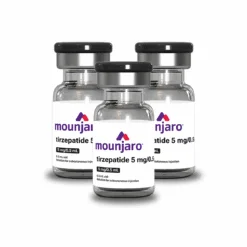
Mounjaro
Original price was: $270.00.$231.00Current price is: $231.00.
Buy Mounjaro® (Tirzepatide) — FDA-approved once-weekly dual GIP+GLP-1 injection for type 2 diabetes. Available in all 6 strengths (2.5mg–15mg). Proven HbA1c reduction up to −2.6%, weight loss up to 22.5%, and cardiovascular protection. Fast shipping USA, Canada, Germany, France, UK & worldwide. Order now.
Buy Mounjaro® (Tirzepatide Injection) — The World’s #1 Best-Selling Dual GIP/GLP-1 Diabetes & Weight Loss Injection
In Q3 2025, Mounjaro® and Zepbound® — both containing tirzepatide — generated a combined $10.1 billion in a single quarter, making tirzepatide the world’s best-selling drug for the first time in pharmaceutical history. Sales of Mounjaro alone hit $6.5 billion in Q3 2025, up 109% year-over-year. That’s not hype. That’s a global clinical consensus playing out in real dollars — and in real patient lives.
If you or someone you care for is managing type 2 diabetes and looking for the most proven, most powerful dual-mechanism injectable available today — Mounjaro® (tirzepatide) is it. Approved by the FDA in May 2022, cleared by the EMA, Health Canada, MHRA (UK), TGA (Australia), and regulatory agencies across 50+ countries, Mounjaro has set records in clinical efficacy, real-world results, and global patient adoption simultaneously. And right now, it’s available for purchase.
The global Mounjaro (tirzepatide) GLP-1 receptor agonist market was valued at $14.16 billion in 2025 and is estimated to reach $46.96 billion by 2033 at a CAGR of 14.9% — making it one of the fastest-growing prescription pharmaceutical products in history.
What makes this once-weekly injection worth the conversation? Let’s break it all the way down.
What Is Mounjaro® (Tirzepatide Injection)?
Mounjaro is the brand name for tirzepatide, a prescription medication manufactured by Eli Lilly and Company. It is FDA-approved to improve blood sugar (glucose) control in adults and children aged 10 and older with type 2 diabetes, used alongside diet and exercise. Mounjaro has also been shown to help with significant weight loss and maintenance in clinical trials.
Tirzepatide is a GIP receptor and GLP-1 receptor agonist — a 39-amino acid modified peptide based on the GIP sequence, containing two non-coded amino acids (Aib) at positions 2 and 13, a C-terminal amide, and a Lys residue at position 20 attached to a C20 fatty diacid via a linker. This molecular architecture gives it a half-life of approximately 5 days, enabling once-weekly subcutaneous dosing. Molecular weight: 4,813.53 Da. Empirical formula: C₂₂₅H₃₄₈N₄₈O₆₈.
Mounjaro selectively binds to and activates both the GIP and GLP-1 receptors, the targets for native GIP and GLP-1 hormones. It enhances first- and second-phase insulin secretion and reduces glucagon levels — both in a glucose-dependent manner — which dramatically reduces the risk of hypoglycemia compared to insulin-based treatments
This is what genuine dual-receptor activation looks like in practice: a compound so precisely engineered that it outperforms every GLP-1 monotherapy ever developed across weight, glucose, and cardiovascular endpoints simultaneously.
Mounjaro® — Full Product Specification
| Property | Detail |
|---|---|
| Brand Name | Mounjaro® |
| Active Ingredient | Tirzepatide |
| Manufacturer | Eli Lilly and Company / Marketed by Lilly USA, LLC |
| Drug Class | GIP + GLP-1 Receptor Agonist (Dual Incretin Agonist) |
| FDA Approval | May 13, 2022 (T2D); December 2025 expanded to children ≥10 |
| Code Name | LY3298176 |
| Molecular Weight | 4,813.53 Da |
| Molecular Formula | C₂₂₅H₃₄₈N₄₈O₆₈ |
| Half-Life | ~5 days (~120 hours) |
| Administration | Once-weekly subcutaneous injection |
| Solution | Clear, colorless to slightly yellow; sterile, preservative-free |
| Injection Volume | 0.5mL per dose (single-dose pen/vial) OR 0.6mL (multi-dose KwikPen) |
| Available Strengths | 2.5mg, 5mg, 7.5mg, 10mg, 12.5mg, 15mg |
| Pen Formats | Single-dose pen · Single-dose vial · Single-patient-use KwikPen (4 doses) · Multi-dose vial (4 doses) |
| Storage (Unused) | Refrigerate 2°C–8°C (36°F–46°F) until expiry |
| Storage (In Use) | Room temp (max 30°C/86°F) up to 21 days OR refrigerator |
| Injection Sites | Abdomen, thigh, upper arm — rotate each dose |
| Global Approvals | USA, EU, Canada, UK, Australia, Japan, India, China, South Africa, Switzerland, 50+ countries |
Available Strengths — Mounjaro® KwikPen & Multi-Dose Vial
| Pen/Vial Total | Concentration | Doses Per Pack | Dose per Injection |
|---|---|---|---|
| 10 mg / 2.4 mL | 4.17 mg/mL | 4 doses | 2.5 mg / 0.6 mL |
| 20 mg / 2.4 mL | 8.33 mg/mL | 4 doses | 5 mg / 0.6 mL |
| 30 mg / 2.4 mL | 12.5 mg/mL | 4 doses | 7.5 mg / 0.6 mL |
| 40 mg / 2.4 mL | 16.7 mg/mL | 4 doses | 10 mg / 0.6 mL |
| 50 mg / 2.4 mL | 20.8 mg/mL | 4 doses | 12.5 mg / 0.6 mL |
| 60 mg / 2.4 mL | 25 mg/mL | 4 doses | 15 mg / 0.6 mL |
Single-dose pens deliver 0.5mL per injection at the equivalent strength.
How Does Mounjaro® Work? The Dual Mechanism Explained
Most diabetes medications work through a single hormonal pathway. Mounjaro works through two — and that is the fundamental reason it outperforms every prior standard of care.
The GLP-1 Pathway:
GLP-1 (glucagon-like peptide-1) is naturally released by your gut after eating. It signals the pancreas to produce insulin in response to elevated blood glucose, suppresses glucagon release, slows gastric emptying, and reduces appetite signals in the brain. Mounjaro activates GLP-1 receptors with the same signaling properties as the native hormone — but for 5 full days per injection, rather than minutes.
The GIP Pathway — The Difference Maker:
GIP (glucose-dependent insulinotropic polypeptide) is a hormone that complements the effects of GLP-1 receptor agonists. In preclinical and clinical models, GIP has been shown to decrease food intake and increase energy expenditure — resulting in greater weight reductions — and when combined with GLP-1 receptor agonism, produces greater effects on markers of metabolic dysregulation including body weight, glucose, and lipids than either mechanism achieves alone.
Analysis of tirzepatide’s receptor pharmacology reveals it as an “imbalanced and biased” dual agonist, with greater engagement of the GIP receptor than the GLP-1 receptor at clinically efficacious doses. This imbalanced mechanism creates a unique pharmacological profile tailored for improving broad metabolic control — activating cAMP signaling through both receptor systems simultaneously and modulating metabolic pathways no single-receptor compound can access.
The result is that Mounjaro® doesn’t just improve blood sugar. It resets your entire metabolic environment — from insulin sensitivity and glucagon suppression to appetite regulation, fat metabolism, and cardiovascular risk markers — through two independent biological pathways working in concert.
8 Clinically Proven Benefits of Mounjaro® (Tirzepatide)
1. HbA1c Reduction — The Best in Class
In five global Phase 3 SURPASS trials across thousands of patients with type 2 diabetes, Mounjaro® produced HbA1c reductions of −1.9% to −2.6% — enabling 23–52% of patients to achieve HbA1c < 5.7%, effectively normalizing blood glucose in over half of maximum-dose users.
2. Superior Weight Loss — Even Beyond Dedicated Weight Loss Drugs
In SURMOUNT-1 (2,539 adults with obesity/overweight without diabetes), Mounjaro’s active ingredient produced average body weight reductions of 16.0% at 5mg, 21.4% at 10mg, and 22.5% at 15mg versus 2.4% for placebo at 72 weeks — with 63% of 15mg users achieving at least 20% body weight reduction.
3. Head-to-Head Win Against Semaglutide (Ozempic/Wegovy)
In SURMOUNT-5, the first-ever direct randomized head-to-head trial published in the New England Journal of Medicine (2025), tirzepatide produced 20.2% average weight loss versus 13.7% for semaglutide — a 47% greater relative weight reduction — with 47% more patients achieving 25% body weight loss on tirzepatide.
In SURPASS-2 (the T2D head-to-head against semaglutide 1mg), tirzepatide 15mg achieved HbA1c −2.46% versus −1.86% and weight loss of −12.4 kg vs −6.2 kg at 40 weeks — superior on both primary endpoints.
4. Blood Pressure Improvement
Across SURPASS trials, Mounjaro® demonstrated clinically relevant improvements in systolic blood pressure of −2.8 to −12.6 mmHg over 40–52 weeks, alongside meaningful improvements in lipid profiles and reductions in fasting glucose and triglycerides beginning at week 12.
5. Cardiovascular Protection
SURPASS-CVOT topline results confirmed tirzepatide was non-inferior to dulaglutide in cardiovascular outcomes with an 8% lower MACE-3 rate — and a pre-specified indirect comparison found tirzepatide reduced MACE-3 risk by 28% (HR 0.72; 95% CI 0.55–0.94) compared to placebo. A SURMOUNT-1 post hoc analysis confirmed a significant reduction in 10-year predicted ASCVD risk at 72 weeks across all dose groups.
6. Long-Term Weight Maintenance
SURMOUNT-4 88-week data (2024) confirmed patients maintained an average 21% body weight loss at maximum dose — significantly higher than comparable semaglutide trials at the same timepoint — establishing durability of response as a defining characteristic of Mounjaro’s clinical profile.
7. Metabolic Syndrome Reversal
Across the SURPASS program, Mounjaro® produced substantial reductions in HbA1c, body weight, blood pressure, and lipid markers simultaneously — resulting in meaningful reduction in the prevalence of metabolic syndrome across all treatment arms, with greater benefit observed in patients who achieved higher weight loss thresholds.
8. Now Approved for Children (December 2025)
Based on FDA approval in December 2025, Mounjaro® is now considered safe and approved for children aged 10 and older with type 2 diabetes. Children with a personal or family history of certain thyroid cancers should not use Mounjaro due to the FDA boxed warning.
How to Use Mounjaro® — Complete Dosage & Injection Guide
The Standard Mounjaro Titration Schedule
Mounjaro is administered once weekly at any time of day, with or without meals. Inject at the same time each week for consistency. The dose can be changed to a more convenient day as long as at least 3 days (>72 hours) have passed since the previous injection.
| Week | Dose | Purpose |
|---|---|---|
| Weeks 1–4 | 2.5mg once weekly | Starter / Tolerability — not a glycemic control dose |
| Weeks 5–8 | 5mg once weekly | First maintenance tier |
| Weeks 9–12 | 7.5mg once weekly | Escalation |
| Weeks 13–16 | 10mg once weekly | Standard long-term maintenance begins |
| Weeks 17–20 | 12.5mg once weekly | Advanced maintenance |
| Weeks 21+ | 15mg once weekly | Maximum dose — peak clinical trial efficacy |
You are not required to reach 15mg. Many patients achieve their treatment goals at 5mg, 7.5mg, or 10mg. Your prescribing healthcare provider will determine the right stopping point based on your HbA1c response, weight, and tolerability.
How to Inject Mounjaro® — Step by Step
Step 1 — Check Your Pen
Confirm the pen label shows Mounjaro® and the correct strength. Inspect the solution — it should be clear, colorless to slightly yellow, and particle-free. Never use a pen that looks cloudy, discolored, or contains visible particles.
Step 2 — Prepare Your Injection Site
Choose one of three approved sites: the abdomen (at least 2 inches from the navel), the front of the thigh, or the upper arm. Rotate your injection site with each weekly dose — never inject the same spot twice in a row. Wipe the chosen site with an alcohol swab and allow to dry fully.
Step 3 — Remove the Pen Cap
Pull off the base cap. Do not touch the needle. Do not recap after removing.
Step 4 — Inject
Press the flat end of the pen firmly against your skin at a 90° angle. Press and hold the injection button until you hear a click — then continue holding for 10 full seconds to ensure the complete dose is delivered. A yellow indicator will confirm the dose is complete.
Step 5 — Remove and Dispose
Lift the pen away from the skin. Place it directly into a puncture-resistant sharps disposal container. Never recap or reuse the pen.
Step 6 — Timing Note
It is acceptable to inject Mounjaro and insulin in the same body region, but the injections should not be adjacent to each other. If using both medications, maintain separation between the two injection sites.
How to Store Mounjaro®
| Condition | Storage Rule |
|---|---|
| Unused / New Pens | Refrigerate at 2°C–8°C (36°F–46°F) until expiry date |
| In Use / After First Injection | Room temp below 30°C (86°F) for up to 21 days, OR continue refrigerating |
| Do NOT | Freeze Mounjaro — do not use if frozen |
| Do NOT | Store in direct sunlight or heat |
| Traveling | Use an insulated cooler bag; keep below 30°C |
| Disposal | In a FDA-cleared sharps disposal container |
Mounjaro® vs. Competing Medications — The Honest Comparison
| Medication | Mechanism | Max Weight Loss (Clinical) | HbA1c Reduction | FDA Approved | Dosing |
|---|---|---|---|---|---|
| Mounjaro® (Tirzepatide) | GIP + GLP-1 | −22.5% | −1.9% to −2.6% | ✅ T2D + Obesity (Zepbound) | Once weekly |
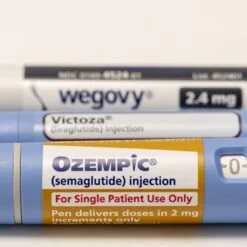
| Ozempic® (Semaglutide SC) | GLP-1 only | −10.2% (at 4 years) | −1.2% to −1.8% | ✅ T2D | Once weekly |
| Wegovy® (Semaglutide 2.4mg) | GLP-1 only | −14.9% | N/A (obesity approved) | ✅ Obesity | Once weekly |
| Victoza® (Liraglutide) | GLP-1 only | −8.4% | −1.0% to −1.5% | ✅ T2D | Once daily |
| Trulicity® (Dulaglutide) | GLP-1 only | ~−5% | −0.7% to −1.4% | ✅ T2D | Once weekly |
| Saxenda® (Liraglutide 3mg) | GLP-1 only | ~−8% | N/A (obesity) | ✅ Obesity | Once daily |
As of early 2026, tirzepatide is the most effective GLP-1 drug for weight loss — clinical trials and recent meta-analyses consistently show it delivers the most substantial weight reduction among all GLP-1 medications, with average losses of up to 22.5% of body weight.
Who Should Use Mounjaro® (Tirzepatide)?
Mounjaro is used for type 2 diabetes to help lower blood sugar levels in adults and children 10 years and older, in addition to diet and exercise. It is not approved for people with type 1 diabetes.
| Patient Profile | Mounjaro® Benefit |
|---|---|
| Adults with type 2 diabetes on diet & exercise alone | Primary glycemic control — HbA1c reduction up to −2.6% |
| T2D patients on metformin or other oral agents | Add-on superior HbA1c and weight reduction |
| T2D patients with cardiovascular disease risk | 28% MACE reduction (indirect); ASCVD risk score improvement |
| Overweight/obese T2D patients | Up to −22.5% body weight; −12.4 kg vs semaglutide |
| Children aged 10+ with type 2 diabetes | FDA-approved December 2025 |
| T2D patients with obesity + metabolic syndrome | Metabolic syndrome reversal across all dose groups |
Possible Side Effects of Mounjaro®
Mounjaro is generally well tolerated. Most side effects are gastrointestinal, concentrated during the dose escalation phase, and diminish as your body adjusts.
Most Common (≥5% of patients)
| Side Effect | Frequency | Management Tips |
|---|---|---|
| Nausea | Very Common | Eat smaller, slower meals; avoid high-fat foods during escalation |
| Diarrhea | Common | Stay hydrated; temporary dietary fiber adjustment |
| Vomiting | Common | Dose escalation timing adjustment with prescriber guidance |
| Decreased Appetite | Common | Expected therapeutic effect — not a side effect to fight |
| Constipation | Common | Increase fiber and water intake |
| Abdominal Pain | Common | Usually mild; typically transient |
| Injection Site Reactions | Occasional | Rotate sites weekly; allow alcohol to dry before injecting |
Serious Warnings — Know Before You Buy
Black Box Warning: In both sexes of rats, tirzepatide caused dose-dependent and treatment-duration-dependent thyroid C-cell tumors in 2-year studies. It is unknown whether Mounjaro causes thyroid C-cell tumors, including medullary thyroid carcinoma (MTC), in humans. Mounjaro is contraindicated in patients with a personal or family history of MTC or Multiple Endocrine Neoplasia syndrome type 2 (MEN 2).
| Serious Risk | Action Required |
|---|---|
| Thyroid C-cell tumors | Contraindicated with MTC/MEN 2 history |
| Pancreatitis | Discontinue if suspected; seek medical care immediately |
| Hypoglycemia | Monitor blood glucose; risk elevated with concurrent insulin/sulfonylurea |
| Acute Gallbladder Disease | Notify prescriber if gallbladder symptoms appear |
| Serious Allergic Reactions | Discontinue and seek emergency care if anaphylaxis or angioedema occurs |
| Acute Kidney Injury | Risk with dehydration from GI side effects; maintain hydration |
| Diabetic Retinopathy Complications | Monitor patients with known retinopathy history |
⚠️ Mounjaro® is a prescription-only medication. It must only be used under the direct supervision and prescription of a licensed healthcare provider.
FAQs About Mounjaro® (Tirzepatide Injection) for sale
1. What is Mounjaro® and what is it used for?
Mounjaro® (tirzepatide) is a prescription injection used to improve blood sugar control in adults and children aged 10 and older with type 2 diabetes, used alongside diet and exercise. It is the brand name for tirzepatide, a dual GIP and GLP-1 receptor agonist manufactured by Eli Lilly. It is not approved for type 1 diabetes.
2. How is Mounjaro® different from Ozempic® (Semaglutide)?
The most important clinical difference is that Mounjaro activates two receptors simultaneously (GIP + GLP-1), while Ozempic activates only the GLP-1 receptor. In SURMOUNT-5 — the first-ever head-to-head randomized trial published in NEJM 2025 — Mounjaro’s active ingredient produced 20.2% weight loss versus 13.7% for Semaglutide, a 47% greater relative difference. In SURPASS-2 (T2D head-to-head), Mounjaro delivered superior HbA1c reduction and greater weight loss at every dose.
3. How much weight loss can I expect with Mounjaro®?
In SURMOUNT-1 (2,539 adults with obesity), average body weight reductions were 16.0% at 5mg, 21.4% at 10mg, and 22.5% at 15mg — versus 2.4% on placebo — at 72 weeks. It can take 8–12 weeks to see initial 6–8% weight loss, with results building progressively throughout the dose escalation period. Individual results vary and depend on diet, exercise, and adherence to the titration schedule.
4. What is the starting dose of Mounjaro® and how do I increase it?
Start at 2.5mg once weekly for 4 weeks — this is a tolerability dose, not a glycemic control dose. Increase to 5mg weekly at week 5, then escalate every 4 weeks as directed by your prescriber through 7.5mg, 10mg, 12.5mg, to a maximum of 15mg weekly. Many patients achieve their treatment goals without reaching the maximum dose.
5. When is the best time to take Mounjaro®?
Mounjaro can be administered at any time of day, with or without meals. Inject on the same day each week. You can change your injection day as long as at least 3 days (>72 hours) have passed since the last dose. Consistency matters more than timing — pick a day that fits your weekly routine and stick to it.
6. Where should I inject Mounjaro®?
Inject subcutaneously into the abdomen, thigh, or upper arm. Rotate your injection site with each weekly dose to reduce the risk of skin reactions or lipodystrophy. Never inject in the same exact spot two weeks in a row. It is acceptable to inject Mounjaro in the same body region as insulin — but not adjacent to the insulin injection site.
7. What are the most common side effects of Mounjaro®?
The most common side effects are nausea, diarrhea, vomiting, decreased appetite, constipation, and abdominal discomfort — all most pronounced during dose escalation and typically mild-to-moderate in severity. Eating smaller, slower meals and avoiding high-fat foods during the escalation period meaningfully reduces GI discomfort for most patients.
8. How should I store Mounjaro® pens?
Store unused pens in the refrigerator at 2°C–8°C (36°F–46°F) until the expiry date. After first use (or if removed from the refrigerator), store at room temperature below 30°C (86°F) for up to 21 days. Never freeze Mounjaro — frozen pens must be discarded. Protect from direct light.
9. Is Mounjaro® approved for weight loss?
Mounjaro® (tirzepatide) is FDA-approved specifically for type 2 diabetes — not for weight loss as a standalone indication. Tirzepatide for chronic weight management in patients without type 2 diabetes is approved as Zepbound® — the same active ingredient at the same doses, under a different brand name and indication. Your prescriber will determine which product and indication is appropriate for you.
10. Is Mounjaro® approved for children?
Yes — based on FDA approval in December 2025, Mounjaro® is now approved for children aged 10 and older with type 2 diabetes. Children with a personal or family history of medullary thyroid carcinoma (MTC) or Multiple Endocrine Neoplasia syndrome type 2 (MEN 2) should not use Mounjaro® due to the boxed warning.
11. How does Mounjaro® compare to other GLP-1 medications?
As of early 2026, tirzepatide (Mounjaro®) is the most effective GLP-1-class drug for weight loss and HbA1c reduction, consistently delivering the most substantial results in clinical trials and real-world data among all medications in its class. Its dual GIP+GLP-1 mechanism is the only one of its kind currently approved globally — engaging metabolic pathways in adipose tissue and bone that GLP-1 monotherapy simply cannot reach.
12. Where is Mounjaro® approved globally?
In addition to the USA, Mounjaro® (tirzepatide) is approved in Canada, the EU, UK, Australia, Japan, Switzerland, India, China, and South Africa — among others. Tirzepatide products are now approved or under regulatory review in over 50 countries across North America, Europe, Asia-Pacific, and Latin America
Only logged in customers who have purchased this product may leave a review.
Related products
Reviews
There are no reviews yet.