
 Français
 Français
 Afrikaans
 English
 English
 English
 Español
 Italiano
 Nederlands
 Nederlands
 Norsk Nynorsk
 Português
 Português
 Português
 English
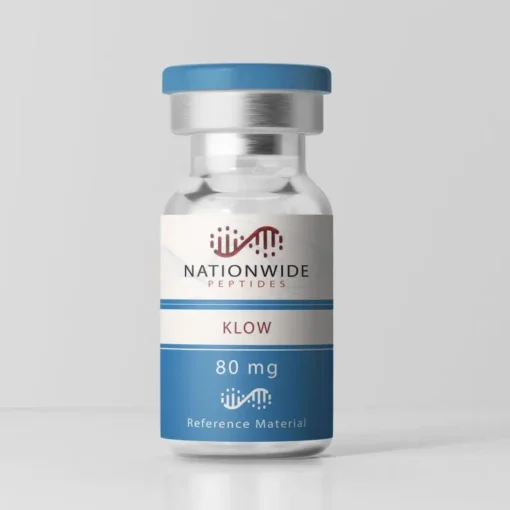
Klow Blend Peptide KPV/GHK-CU/BPC-157/TB-500
Original price was: $147.00.$136.00Current price is: $136.00.
Buy Klow Blend Peptide — research-grade four-peptide regenerative stack combining KPV, GHK-Cu, BPC-157 & TB-500. The most comprehensive healing, anti-inflammatory, tissue repair & collagen synthesis protocol in one vial. ≥99% purity. Fast shipping USA, Canada, Germany, France, UK & worldwide. Order now.
Buy Klow Blend Peptide (KPV / GHK-Cu / BPC-157 / TB-500) | The Complete Four-Peptide Hyper Recovery Stack That Targets Every Phase of Healing Simultaneously
Most repair compounds address one phase of the healing cascade. One peptide might reduce inflammation. Another stimulates collagen. A third migrates cells to the injury site. Effective — but incomplete. The Klow Blend doesn’t pick one phase. It addresses all four — inflammation, proliferation, angiogenesis, and structural remodeling — through four distinct, clinically researched mechanisms running in synchronized parallel. This isn’t a stack. It’s a complete healing protocol in a single vial.
Here’s the truth about tissue repair that most protocols miss: healing is not one event. It’s a cascade — inflammation first, then cellular proliferation, then new blood vessel formation, then structural collagen remodeling. Each phase depends on the one before it. Interrupt any phase and the cascade stalls. That’s why single-peptide approaches, however effective in isolation, leave biological work on the table.
The Klow Blend — sometimes called the “Hyper Recovery Stack” in regenerative medicine circles — combines four of the most potent regenerative research peptides: BPC-157, TB-500, KPV, and GHK-Cu — into a single comprehensive protocol that targets healing from multiple angles at once. Think of this peptide stack as a highly specialized construction crew for your body. Each peptide has its own job, but they work in concert to rebuild and repair tissue far more effectively than any single one could alone.
Researchers, regenerative medicine clinicians, performance athletes, and longevity practitioners across the USA, Canada, Germany, France, and the UK who need the full picture of tissue repair — not just one chapter of it — are choosing the Klow Blend. Here’s exactly why.
What Is the Klow Blend Peptide?
“Klow Blend” is a trade name used for a pre-blended formulation combining BPC-157, TB-500, KPV, and GHK-Cu in a single vial. This four-peptide combination targets virtually every phase of the healing cascade, from the initial inflammatory response right through to structural collagen remodeling. Each peptide has a distinct mechanism of action — yet their mechanisms are genuinely complementary, creating synergistic coverage across the complete biological repair timeline.
Composition of the research-grade Klow Blend: 50mg GHK-Cu | 10mg BPC-157 | 10mg TB-500 | 10mg KPV — all four peptides supplied in a lyophilized, filler-free state to maximize stability and preserve chemical integrity.
Each component of this blend has been individually researched across decades of preclinical and clinical investigation. Together, they cover what no single compound achieves alone:
- KPV — the inflammation commander, blocking the master switch of the inflammatory cascade
- BPC-157 — the tissue rebuilder, signaling growth factor pathways for local repair
- TB-500 — the systemic cell migrator, moving repair cells to where they’re needed body-wide
- GHK-Cu — the structural architect, rebuilding collagen, elastin, and the extracellular matrix
Klow Blend — Full Composition & Technical Specification
| Property | Detail |
|---|---|
| Product Name | Klow Blend Peptide |
| Also Known As | Hyper Recovery Stack / Quad Healing Blend / GLOW+ Stack |
| Composition | KPV + GHK-Cu + BPC-157 + TB-500 |
| Reference Formulation | 10mg KPV | 50mg GHK-Cu | 10mg BPC-157 | 10mg TB-500 |
| Total Blend Volume | 80mg per vial (reference formulation) |
| Form | Lyophilized powder (for reconstitution) |
| Reconstitution | Bacteriostatic water (BAC water) |
| Storage (Lyophilized) | 2–8°C refrigerated; −20°C for long-term |
| Storage (Reconstituted) | 2–8°C — use within 28 days; aliquot to avoid freeze-thaw cycles |
| Administration | Subcutaneous injection (primary); topical (GHK-Cu component) |
| Purity Standard | ≥99% per component (third-party HPLC & Mass Spec verified) |
| Intended Use | Research / Laboratory purposes only |
The Four Peptides — What Each One Does
Component 1 — KPV (Lys-Pro-Val) | The Inflammation Commander
KPV is a tripeptide consisting of three amino acids (Lysine-Proline-Valine) — a C-terminal fragment of alpha-melanocyte stimulating hormone (α-MSH) — a critical immune-regulating peptide in the body. This small but powerful peptide plays a vital role in controlling inflammation by modulating key inflammatory pathways and inhibiting pro-inflammatory signaling cascades. Unlike conventional anti-inflammatory drugs that suppress the entire immune system, KPV works intelligently by targeting specific inflammatory mediators.
KPV enters cells and directly inhibits NF-κB nuclear translocation — blocking the master switch of inflammation. This reduces production of TNF-alpha, IL-6, IL-1beta, and other inflammatory cytokines at the transcriptional level — preventing inflammatory gene expression upstream of cytokine release.
Key KPV Research Applications:
KPV has been clinically studied for: inflammatory bowel diseases (ulcerative colitis, Crohn’s disease), leaky gut syndrome, chronic inflammatory conditions, autoimmune disorders, skin inflammation (eczema, psoriasis), and wound healing. It exhibits both anti-inflammatory and antimicrobial properties — helping restore intestinal barrier function, reduce mucosal inflammation, and promote healing of damaged gut tissue.
What makes KPV unique in this blend: KPV is stronger for inflammation control than BPC-157 (which is primarily a tissue rebuilder). KPV also regulates inflammatory cytokines more broadly than TB-500, which provides secondary anti-inflammatory support. In the context of the Klow Blend, KPV acts as the primary inflammatory phase manager — clearing the biological pathway so the other three peptides can work without inflammatory interference.
Component 2 — GHK-Cu (Glycyl-L-Histidyl-L-Lysine Copper) | The Structural Architect
GHK-Cu up-regulates wound healing processes and drives collagen production, elastin, and angiogenic growth-factor expression in laboratory models. The peptide accelerates cellular repair phases including inflammation resolution, collagen deposition, angiogenesis, and epithelial repair — enhancing wound healing through both systemic effects and local tissue remodeling.
In the Klow Blend, GHK-Cu operates primarily during the remodeling phase — the final stage of tissue repair where structural integrity is restored. It produces collagen (+70% over Vitamin C in human trials), rebuilds elastin, generates new blood vessels, and resets the gene expression of 4,000+ genes toward more youthful, healthier repair patterns. Its antioxidant defense system activation (SOD, catalase, glutathione) also protects the healing cascade from oxidative stress throughout every phase.
Component 3 — BPC-157 (Body Protection Compound 157) | The Tissue Rebuilder
BPC-157 exhibits gastro-protective, soft-tissue repair, and anti-inflammatory actions through nitric-oxide signaling, growth-factor receptor modulation, and cytokine balance. It interacts with growth factor pathways such as VEGF and FAK-paxillin, enhancing blood vessel formation, fibroblast activity, and tissue granulation.
BPC-157 has been investigated in models of soft tissue damage, inflammatory bowel disease, and nerve regeneration — making it a uniquely versatile component that bridges the gap between anti-inflammatory KPV (which controls cytokines) and structural GHK-Cu (which rebuilds the matrix). BPC-157 operates primarily during the proliferation phase — stimulating the cellular signaling that drives new tissue formation after inflammation is controlled.
Component 4 — TB-500 (Thymosin Beta-4 Fragment) | The Systemic Cell Migrator
TB-500 enhances cell migration and angiogenesis via actin-sequestering and integrin-linked pathways — the same G-actin binding mechanism that makes it unique among repair peptides. Unlike BPC-157 (which acts largely at the local injury site), TB-500 circulates systemically, finding damaged areas across the entire body and directing repair cells to those locations.
TB-500’s defining contribution to the Klow Blend is systemic reach. It doesn’t require precise injection at the injury site — it travels. TB-500 and BPC-157 work in concert to accelerate tissue repair and angiogenesis, while KPV provides powerful anti-inflammatory support that complements BPC-157’s inflammation-modulating effects. GHK-Cu enhances the blend’s regenerative capacity through collagen synthesis and gene activation — creating a complete healing system.
How the Four Peptides Map to the Healing Cascade
This is the scientific case for why these four compounds belong together. Understanding why this specific combination is synergistic requires mapping each peptide to its phase of the healing cascade:
- Inflammation phase: KPV (primary) + TB-500 (secondary anti-inflammatory support)
- Proliferation phase: BPC-157 (local angiogenesis, tissue signaling) + TB-500 (systemic cell migration)
- Remodeling phase: GHK-Cu (collagen synthesis, structural rebuilding) + BPC-157 (ongoing repair signaling)
- Throughout all phases: GHK-Cu’s antioxidant effects protect healing tissue from oxidative damage
The Complete Healing Cascade Map
| Healing Phase | Duration | Primary Compound | Supporting Compound | Biological Activity |
|---|---|---|---|---|
| Inflammation | Days 1–5 | KPV | TB-500 | NF-κB inhibition; TNF-α/IL-6/IL-1β reduction; cytokine management |
| Proliferation | Days 5–21 | BPC-157 | TB-500 | Angiogenesis; fibroblast activation; VEGF/FAK-paxillin signaling |
| Angiogenesis | Overlapping | TB-500 | BPC-157 + GHK-Cu | Cell migration; actin dynamics; new blood vessel formation |
| Remodeling | Weeks 3–24 | GHK-Cu | BPC-157 | Collagen synthesis (+70%); elastin; ECM restoration; gene reset |
| Oxidative Protection | All phases | GHK-Cu | KPV | SOD/catalase/glutathione activation; ROS neutralization |
No single peptide covers this entire timeline. The Klow Blend covers all of it.
12 Synergistic Benefits of the Klow Blend
1. Dual Anti-Inflammatory Coverage — KPV + BPC-157
Dual anti-inflammatory mechanisms from KPV and BPC-157 provide powerful inflammation management for both chronic and acute conditions. KPV blocks NF-κB (the master transcriptional switch of inflammation), while BPC-157 modulates immune cell activity and cytokine levels through nitric oxide and growth factor pathways — two entirely different anti-inflammatory mechanisms working simultaneously.
2. Accelerated Injury Recovery — All Four
Multi-peptide synergy significantly reduces healing timelines for injuries, surgeries, and chronic conditions compared to single-agent therapies. This addresses musculoskeletal injuries, gut health, immune function, skin regeneration, and inflammatory conditions in one comprehensive protocol.
3. Tendon, Ligament & Joint Repair — BPC-157 + TB-500
BPC-157 and TB-500 are the cornerstone of musculoskeletal repair research — BPC-157 for its direct tendon and ligament signaling, TB-500 for its systemic cell migration that delivers repair resources to injury sites regardless of injection location. Together, they cover the full range of connective tissue recovery from acute tears to chronic degeneration.
4. Superior Collagen Synthesis — GHK-Cu + BPC-157
GHK-Cu and BPC-157 synergy improves collagen production, skin elasticity, and overall tissue quality for both functional and aesthetic benefits. GHK-Cu drives the structural collagen matrix while BPC-157 provides the growth factor signaling environment in which fibroblasts operate most efficiently.
5. Gut Health & IBD Management — KPV + BPC-157
Both KPV and BPC-157 have been researched extensively in gastrointestinal inflammation models. KPV restores intestinal barrier function, reduces mucosal inflammation, and promotes healing of damaged gut tissue through NF-κB inhibition and antimicrobial activity. BPC-157 complements this through mucosal tissue repair and angiogenic growth factor pathways — the two mechanisms addressing both the inflammatory and structural dimensions of gut healing simultaneously.
6. Skin Regeneration & Anti-Aging — GHK-Cu + KPV
GHK-Cu stimulates collagen (+70% over Vitamin C), elastin, skin density, and wrinkle depth reduction (−30%). KPV reduces skin inflammation associated with conditions like eczema and psoriasis through targeted cytokine suppression. Together, they address both the structural and inflammatory components of skin aging and damage — the two pillars of dermatological regeneration.
7. Wound Healing Acceleration — All Four
All four components contribute to wound healing through distinct pathways: KPV manages inflammatory cytokines at the wound site; BPC-157 signals tissue granulation and vascular repair; TB-500 recruits stem cells and progenitor cells to the wound periphery (including greatly enlarging hair follicle production at wound margins); GHK-Cu drives the structural collagen matrix that closes and seals the wound.
8. Angiogenesis — New Blood Supply to Healing Tissue
GHK-Cu reduces oxidative stress and inflammatory gene expression; TB-500 suppresses IL-6 and TNF-α signaling; BPC-157 modulates immune cell activity and cytokine levels — all three contribute to the angiogenic environment that delivers oxygen, nutrients, and immune cells to healing tissue through new blood vessel formation. This triple angiogenic coverage is unmatched by any single compound.
9. Nerve Regeneration Support — TB-500 + BPC-157 + GHK-Cu
TB-500 and BPC-157 contribute to endothelial repair and neurovascular guidance, while GHK-Cu supports capillary growth and tissue perfusion — relevant in models examining nerve crush injuries, diabetic neuropathy, or post-operative nerve healing.
10. Post-Surgical Recovery — Full Cascade Coverage
BPC-157, TB-500, KPV, and GHK-Cu together are ideal for complex injuries, post-surgical recovery, chronic inflammatory conditions, athletes requiring comprehensive regenerative support, and individuals seeking the most advanced peptide therapy available for optimal healing outcomes. The four-phase cascade coverage maps precisely to the biological events following surgical intervention.
11. Immune Modulation Without Immunosuppression
Unlike conventional anti-inflammatory drugs that suppress the entire immune system, KPV works intelligently by targeting specific inflammatory mediators — inhibiting pro-inflammatory cytokines while preserving beneficial immune responses. This makes the Klow Blend’s anti-inflammatory component uniquely safe for extended use in chronic inflammatory conditions where total immune suppression would be dangerous.
12. Skin Firmness & Reduction of Fine Lines
GHK-Cu specifically drives improvement in skin firmness, elasticity, and tone — with users often reporting smoother, younger-looking skin within 30 days of initiation. TB-500 enhances flexibility and mobility by targeting connective tissue and reducing fibrosis in muscle fascia — a structural benefit that also contributes to the smoothness and pliability of skin tissue.
Klow Blend Synergistic Benefits Summary Table
| Benefit | KPV | GHK-Cu | BPC-157 | TB-500 |
|---|---|---|---|---|
| Inflammation Control | ⭐⭐⭐⭐⭐ | ⭐⭐⭐ | ⭐⭐⭐⭐ | ⭐⭐⭐ |
| Collagen Synthesis | — | ⭐⭐⭐⭐⭐ | ⭐⭐⭐ | ⭐⭐ |
| Wound Healing | ⭐⭐⭐⭐ | ⭐⭐⭐⭐⭐ | ⭐⭐⭐⭐⭐ | ⭐⭐⭐⭐⭐ |
| Tendon / Ligament | ⭐⭐ | ⭐⭐ | ⭐⭐⭐⭐⭐ | ⭐⭐⭐⭐⭐ |
| Gut Health | ⭐⭐⭐⭐⭐ | ⭐⭐ | ⭐⭐⭐⭐⭐ | ⭐⭐ |
| Skin Regeneration | ⭐⭐⭐⭐ | ⭐⭐⭐⭐⭐ | ⭐⭐ | ⭐⭐⭐ |
| Hair Growth | ⭐⭐ | ⭐⭐⭐⭐⭐ | ⭐⭐ | ⭐⭐⭐⭐ |
| Angiogenesis | ⭐⭐ | ⭐⭐⭐⭐⭐ | ⭐⭐⭐⭐ | ⭐⭐⭐⭐⭐ |
| Nerve Repair | ⭐⭐ | ⭐⭐⭐ | ⭐⭐⭐⭐ | ⭐⭐⭐⭐ |
| Immune Modulation | ⭐⭐⭐⭐⭐ | ⭐⭐⭐ | ⭐⭐⭐ | ⭐⭐ |
| Antioxidant Defense | ⭐⭐⭐ | ⭐⭐⭐⭐⭐ | ⭐⭐ | ⭐⭐ |
| Cell Migration | ⭐⭐ | ⭐⭐⭐ | ⭐⭐⭐ | ⭐⭐⭐⭐⭐ |
How to Use the Klow Blend Peptide — Complete Research Protocol
How to Reconstitute the Klow Blend
Reconstitute with sterile solvent (bacteriostatic water) immediately prior to experimental use. Store aliquots at ≤ −20°C to prevent repeated freeze-thaw cycles.
Step 1 — Calculate Your Concentration
For a reference 80mg blend vial (50mg GHK-Cu / 10mg BPC-157 / 10mg TB-500 / 10mg KPV):
| BAC Water Added | Total Concentration | Per Component (reference) |
|---|---|---|
| 4mL | 20mg/mL | GHK-Cu: 12.5mg/mL; BPC-157: 2.5mg/mL; TB-500: 2.5mg/mL; KPV: 2.5mg/mL |
| 8mL | 10mg/mL | GHK-Cu: 6.25mg/mL; BPC-157: 1.25mg/mL; TB-500: 1.25mg/mL; KPV: 1.25mg/mL |
Step 2 — Reconstitute Gently
Inject BAC water slowly down the inner wall of the vial. Swirl gently — never shake. The solution may take a slightly blue-tinged appearance due to the copper ion in GHK-Cu. This is normal and confirms the copper peptide is active.
Step 3 — Aliquot for Extended Use
Pre-draw individual doses into sterile 1mL syringes and freeze at −20°C if the research timeline spans more than 28 days. This prevents repeated freeze-thaw degradation of the blend’s components.
Step 4 — Label and Store
Reconstituted blend: 2–8°C, use within 28 days. Lyophilized powder: refrigerate at 2–8°C for up to 24 months; −20°C for longer.
Dosage Protocol — Klow Blend Research
The carefully calibrated dosing ratios in the Klow Blend reflect the distinct dose-response profiles of each component. The clinical reference doses for each compound (BPC-157: 250–500mcg/day; TB-500: 2–5mg loading / 1–2mg maintenance weekly; KPV: 200–500mcg/day; GHK-Cu: 1–2mg/day SubQ) are factored into the blend’s ratio design.
| Protocol Phase | Daily Blend Volume | Frequency | Duration |
|---|---|---|---|
| Acute Injury Loading | 1.0mL (at 20mg/mL) | Once daily | 2–4 weeks |
| Subacute / Active Healing | 0.5–1.0mL | Once daily or 5x/week | 4–8 weeks |
| Maintenance / Anti-Aging | 0.5mL | 3x/week | Ongoing (assess at 12 weeks) |
| Post-Surgical Recovery | 1.0mL | Once daily | 4–8 weeks post-op |
| Chronic Inflammatory Protocol | 0.5mL | Daily or 5x/week | 8–16 weeks |
How to Inject the Klow Blend — Step by Step
Step 1 — Timing
Evening injection is preferred — aligning GHK-Cu’s collagen synthesis activity with overnight tissue repair, KPV’s inflammation resolution during sleep, and TB-500’s systemic repair signaling with the body’s natural overnight healing window.
Step 2 — Site Selection
Subcutaneous injection into abdomen (2 inches from navel), front of thigh, or outer upper arm. TB-500’s systemic mechanism means injection site does not need to be near the target injury — it will find damaged tissue regardless of where it enters circulation.
Step 3 — Rotate Sites
Rotate across abdominal quadrants and thigh sites with each injection. GHK-Cu’s copper ion can cause mild local reactions in the same site used repeatedly.
Step 4 — Slow Injection
Depress the plunger slowly over 10–15 seconds. The combined peptides in solution are generally well-tolerated subcutaneously, but slow injection minimizes any local stinging from the GHK-Cu copper component.
Step 5 — Dispose and Store
Dispose of used needle in sharps container. Return reconstituted vial to refrigerator (2–8°C).
Klow Blend vs. Individual Peptides — Why the Blend Wins
| Protocol | Cascade Coverage | Cost Efficiency | Convenience | Clinical Rationale |
|---|---|---|---|---|
| Klow Blend (All 4) | ✅ All phases | ✅ Best | ✅ Single vial | ✅ Synergistic — each phase covered |
| BPC-157 alone | ⚠️ Partial | Moderate | Good | Missing inflammation control + remodeling |
| TB-500 alone | ⚠️ Partial | Moderate | Good | Missing inflammation control + collagen |
| GHK-Cu alone | ⚠️ Partial | Moderate | Good | Missing proliferation phase + systemic migration |
| KPV alone | ⚠️ Partial | Moderate | Good | Missing structural repair + cell migration |
| BPC-157 + TB-500 (GLOW) | ✅ Good | Good | Good | Missing inflammation master control + gene reset |
| BPC-157 + TB-500 + GHK-Cu (GLOW+) | ✅ Very Good | Good | Good | Missing dedicated NF-κB inflammation control |
| All 4 (Klow Blend) | ✅ Complete | ✅ Best | ✅ Best | ✅ All four cascade phases covered |
“The magic is in their synergy. While each peptide is effective on its own, stacking them creates a much more powerful and comprehensive effect. This combination targets healing from multiple angles at once — while BPC-157 and TB-500 focus on rebuilding tissue and improving cell motility, KPV works to manage the inflammation that can slow down healing. At the same time, GHK-Cu supports the structural integrity of your skin and connective tissues. This multi-pronged approach is a cornerstone of advanced regenerative medicine.” — Preferred Regen ATL, 2026
Research Applications of the Klow Blend
In vitro and ex vivo models evaluate collagen deposition rates, angiogenic indices, inflammatory marker expression, and controlled tissue recovery metrics. Researchers can examine potential synergy across copper-mediated extracellular-matrix activation (GHK-Cu), cytoprotective signaling (BPC-157), actin-dependent cell motility (TB-500), and immune-modulatory pathways (KPV).
| Research Area | Primary Peptide(s) | Research Evidence Level |
|---|---|---|
| Musculoskeletal Injury Recovery | BPC-157 + TB-500 | ✅ Strong preclinical; early human |
| Gut Inflammation / IBD | KPV + BPC-157 | ✅ Strong preclinical; limited human |
| Wound Healing | All Four | ✅ Strong across all components |
| Skin Anti-Aging | GHK-Cu + KPV | ✅ Human clinical (GHK-Cu); preclinical (KPV) |
| Post-Surgical Recovery | All Four | ✅ Mechanistically comprehensive |
| Nerve Regeneration | TB-500 + BPC-157 + GHK-Cu | ✅ Preclinical; emerging |
| Chronic Inflammation | KPV + GHK-Cu | ✅ Strong preclinical; mechanistically solid |
| Hair Follicle Regeneration | GHK-Cu + TB-500 | ✅ Strong across both |
| Collagen & ECM Remodeling | GHK-Cu + BPC-157 | ✅ Multiple studies |
| Immune Modulation | KPV (primary) | ✅ Strong mechanistic; preclinical confirmed |
Who Is the Klow Blend Research Protocol For?
The Klow Blend is the most comprehensive healing research peptide protocol available — designed for conditions where no single compound is sufficient:
| Research Subject Profile | Primary Benefit |
|---|---|
| Acute musculoskeletal injury (tendon/ligament tears) | BPC-157 + TB-500 tissue repair synergy |
| Post-surgical recovery (orthopedic, abdominal, etc.) | All-phase cascade coverage |
| Chronic inflammatory conditions (IBD, systemic) | KPV + BPC-157 dual anti-inflammatory |
| Skin aging, wound healing, scarring research | GHK-Cu + KPV dermatological synergy |
| Athlete overtraining / soft tissue chronic damage | All Four — loading + maintenance protocol |
| Gut health / intestinal permeability research | KPV + BPC-157 barrier repair |
| Hair regrowth & follicle regeneration research | GHK-Cu + TB-500 stem cell activation |
| Anti-aging / longevity multi-system research | GHK-Cu + KPV + systemic repair cascade |
| Nerve injury / neuropathy models | TB-500 + BPC-157 + GHK-Cu neurovascular |
Possible Side Effects of the Klow Blend
Each component of the Klow Blend has an excellent individual safety profile. Combined, their complementary mechanisms do not introduce additive toxicity — they address different pathways without overlapping adverse effect profiles.
| Side Effect | Component | Notes |
|---|---|---|
| Injection site mild redness | All | Rotate sites; typically resolves in hours |
| Mild flushing at injection site | GHK-Cu | Normal copper ion effect; inject slowly |
| Transient nausea | BPC-157 (rare) | If occurs, reduce volume per injection |
| Mild fatigue (initial days) | TB-500 (loading) | GH-axis adjustment; reduces after first week |
| Slight local swelling | GHK-Cu at site | Rotate sites; reduces with continued use |
Contraindications for the Klow Blend
| Contraindication | Component | Reason |
|---|---|---|
| Wilson’s Disease | GHK-Cu | Copper metabolism disorder — avoid |
| Active Cancer / Solid Tumors | GHK-Cu (primary) | Angiogenic activity; discuss with oncologist |
| Pregnancy / Breastfeeding | All | Insufficient safety data in these populations |
| Competitive Sport (Anti-Doping) | TB-500 | WADA Section S2 prohibited substance |
| Copper Allergy | GHK-Cu | Avoid; test topically first |
⚠️ The Klow Blend is sold strictly for laboratory and research purposes only. None of the component peptides (KPV, GHK-Cu, BPC-157, TB-500) are FDA-approved for human therapeutic use as injectable compounds. All research must be conducted under qualified professional oversight and in full compliance with applicable regulations.
FAQs About Klow Blend Peptide (KPV / GHK-Cu / BPC-157 / TB-500)
1. What is the Klow Blend and what makes it different from single-peptide protocols?
The Klow Blend — sometimes called the “Hyper Recovery Stack” — combines BPC-157, TB-500, KPV, and GHK-Cu into a single formulation that targets virtually every phase of the healing cascade, from the initial inflammatory response through structural collagen remodeling. Each peptide has its own distinct mechanism — yet their mechanisms are synergistic rather than redundant. No single-peptide protocol covers the entire healing cascade. The Klow Blend covers all of it.
2. What does KPV do in the Klow Blend?
KPV enters cells and directly inhibits NF-κB nuclear translocation — the master transcriptional switch of inflammation. This reduces TNF-alpha, IL-6, IL-1beta, and other pro-inflammatory cytokines at the gene expression level. In the Klow Blend, KPV acts as the primary inflammation phase manager — clearing the biological environment so BPC-157, TB-500, and GHK-Cu can operate without inflammatory interference during proliferation, migration, and remodeling.
3. How do BPC-157 and TB-500 work differently in this stack?
BPC-157 acts primarily at local injury sites through nitric oxide signaling, growth factor receptor modulation (VEGF, FAK-paxillin), and cytokine balance — driving tissue granulation and vascular repair at the site of damage. TB-500 is systemic — it circulates body-wide via actin-sequestering and integrin-linked pathways, recruiting stem cells and progenitor cells to damaged areas regardless of injection site location. Together, they cover both local and systemic cellular repair simultaneously.
4. Why is GHK-Cu included in the Klow Blend?
GHK-Cu is the structural remodeling specialist — the compound that rebuilds what BPC-157 and TB-500 prepare. GHK-Cu drives collagen production, elastin, and angiogenic growth-factor expression — accelerating cellular repair phases including collagen deposition, angiogenesis, and epithelial repair. Its antioxidant properties (SOD, catalase, glutathione activation) also protect healing tissue from oxidative stress throughout every phase of the cascade.
5. How should the Klow Blend be reconstituted?
Add bacteriostatic water slowly down the inner wall of the lyophilized vial — never directly onto the powder. Reconstitute with sterile solvent immediately prior to use. Store aliquots at ≤ −20°C to prevent repeated freeze-thaw cycles. For an 80mg vial, adding 4mL BAC water gives a 20mg/mL working concentration. The solution may appear faintly blue — this is normal and confirms the GHK-Cu copper ion is active and intact.
6. Is the Klow Blend better than just running BPC-157 and TB-500 alone?
Yes — in research terms. BPC-157 and TB-500 alone (sometimes called the GLOW stack) address proliferation and angiogenesis well. But they lack dedicated inflammation phase control (KPV’s NF-κB inhibition) and the structural remodeling phase (GHK-Cu’s collagen synthesis, elastin, and 4,000-gene reset). Adding KPV and GHK-Cu extends the protocol’s biological coverage from two phases of healing to all four.
7. What conditions is the Klow Blend most researched for?
The Klow Blend protocol is ideal for complex injuries, post-surgical recovery, chronic inflammatory conditions, athletes requiring comprehensive regenerative support, and individuals seeking the most advanced peptide therapy for optimal healing outcomes. It addresses musculoskeletal injuries, gut health, immune function, skin regeneration, and inflammatory conditions in one comprehensive protocol.
8. What is the recommended injection schedule for the Klow Blend?
Each peptide in the Klow Blend was selected for its distinct mechanism of action, creating a synergistic therapeutic approach that addresses tissue regeneration, inflammation control, immune modulation, and cellular rejuvenation simultaneously. Research protocols typically use once-daily SubQ injection during acute loading (2–4 weeks), transitioning to 3–5x/week maintenance. Evening injection is preferred to align with the body’s natural overnight repair processes.
9. Can the Klow Blend be used for gut health research?
Yes — particularly the KPV and BPC-157 components, which have both been studied in gastrointestinal inflammation models. KPV restores intestinal barrier function, reduces mucosal inflammation, and exhibits antimicrobial properties. BPC-157 has been studied extensively for mucosal tissue repair and inflammatory bowel disease through distinct growth factor pathways. Their combination addresses both the inflammatory and structural dimensions of gut healing simultaneously.
10. Does TB-500 in the Klow Blend trigger WADA anti-doping issues?
Yes. TB-500 (Thymosin Beta-4 fragment) is listed on the WADA Prohibited List under Section S2. Competitive athletes subject to anti-doping testing must not use this blend. All four components are research compounds — the Klow Blend is sold strictly for laboratory and research use only and is not intended for use in competitive sports contexts.
11. What is the difference between the Klow Blend and the GLOW stack?
The GLOW stack typically combines BPC-157 + TB-500 + GHK-Cu (three peptides). The Klow Blend adds KPV — the dedicated NF-κB inhibitor that handles the inflammation phase specifically. KPV works to manage the inflammation that can slow down healing — providing targeted cytokine control that is distinct from the secondary anti-inflammatory contributions of BPC-157 and TB-500. This dedicated inflammation management is what elevates the Klow Blend above the three-peptide GLOW protocol.
12. Why is the 4-peptide Klow Blend the most comprehensive healing stack available?
Because it maps to every phase of the healing cascade — inflammation (KPV + TB-500), proliferation (BPC-157 + TB-500), angiogenesis (all four), and remodeling (GHK-Cu + BPC-157) — with antioxidant protection from GHK-Cu running throughout. No other combination achieves full cascade coverage. Each peptide does its phase. Together, they do what biology was designed to do — just faster, more completely, and at a biological age younger than the patient’s cells currently operate
Only logged in customers who have purchased this product may leave a review.
Related products

OTHER PEPTIDES

NATIONWIDE PEPTIDES

Reviews
There are no reviews yet.