
 Français
 Français
 Afrikaans
 English
 English
 English
 Español
 Italiano
 Nederlands
 Nederlands
 Norsk Nynorsk
 Português
 Português
 Português
 English
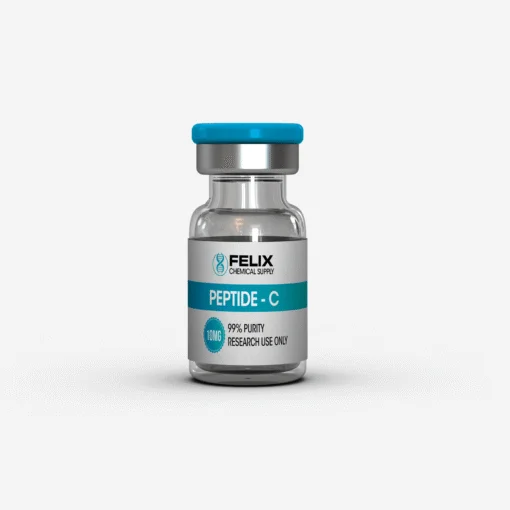
Peptide-C 20mg
Original price was: $248.00.$180.00Current price is: $180.00.
Buy Peptide-C 20mg (CJC-1295) — premium research-grade growth hormone-releasing peptide for sale. Sustained GH elevation, lean muscle support, fat metabolism, and recovery. Fast shipping to USA, Canada, Germany, France & worldwide. Lab-verified. Order now.
Buy Peptide-C 20mg (CJC-1295) | Research-Grade GHRH Analog Peptide For Sale | 20mg Vial
After the age of 30, your body’s natural growth hormone production drops by roughly 15% every decade. By 50, you’re running on a fraction of the GH that drove your peak recovery, body composition, and vitality. Peptide-C 20mg (CJC-1295) is engineered — at the molecular level — to change that.
You’ve felt it. The recovery that takes longer than it used to. The body fat that clings to places it never did before. The sleep that doesn’t feel as deep. The gym sessions where you’re pushing as hard as ever but the results aren’t matching the effort. That’s not age. That’s declining growth hormone. And Peptide-C 20mg is how serious researchers and wellness-driven individuals across the USA, Canada, Germany, France, and the UK are addressing it.
The global peptide therapeutics market was estimated at $140.86 billion in 2025 and is projected to reach $294.58 billion by 2033 at a CAGR of 8.73% — with North America commanding 61.99% of global market share. Research peptides are not a fringe category. They’re the fastest-growing class of compounds in modern therapeutic and performance science — and CJC-1295 (Peptide-C) sits squarely at the center of that momentum.
So — what exactly does a 20mg high-concentration research vial of Peptide-C give you? Let’s get into it properly.
What Is Peptide-C 20mg (CJC-1295)?
CJC-1295 is a synthetic peptide analog of growth hormone-releasing hormone (GHRH) consisting of 30 amino acids with strategic modifications designed to enhance stability and prolong biological activity. Originally developed as a long-acting alternative to native GHRH, CJC-1295 incorporates amino acid substitutions that confer resistance to dipeptidyl peptidase-4 (DPP-4) degradation, extending its half-life from minutes to days. This peptide has gained significant attention in anti-aging and regenerative medicine due to its ability to stimulate sustained endogenous growth hormone (GH) and insulin-like growth factor-1 (IGF-1) secretion.
Your hypothalamus naturally produces GHRH. This hormone travels to the pituitary gland and signals the release of growth hormone. The problem? Natural GHRH has an extremely short half-life — lasting only minutes in your bloodstream before enzymes break it down. CJC-1295 solves this through molecular engineering, incorporating specific amino acid substitutions that make it resistant to DPP-4 degradation.
In short: your body already has the system. Peptide-C 20mg (CJC-1295) makes it work like it did a decade ago.
Peptide-C 20mg — Full Technical Specification
| Property | Detail |
|---|---|
| Product Name | Peptide-C 20mg |
| Active Compound | CJC-1295 (GHRH Analog) |
| Vial Size | 20mg |
| Form | Lyophilized powder (for reconstitution) |
| Amino Acid Sequence | 30 amino acids |
| Molecular Class | Growth Hormone-Releasing Hormone (GHRH) Analog |
| Half-Life (No DAC) | 30 minutes – 2 hours |
| Half-Life (With DAC) | Up to 7–8 days |
| Storage (Lyophilized) | Room temperature up to 24 months |
| Storage (Reconstituted) | Refrigerated, 2–8°C |
| Administration | Subcutaneous injection |
| Reconstitution | Bacteriostatic water |
| Purity Standard | ≥99% (third-party tested) |
| Intended Use | Research / Laboratory purposes only |
How Does Peptide-C 20mg (CJC-1295) Work?
In clinical testing on healthy adults aged 21 to 61, subcutaneous injections of CJC-1295 produced sustained, dose-dependent increases in both growth hormone and IGF-1 — a downstream hormone that mediates many of growth hormone’s effects on tissues. The key difference from native GHRH is durability. While natural GHRH breaks down in minutes, CJC-1295 keeps stimulating growth hormone production for days rather than moments.
Human clinical trials — one in 2006, another in 2013 — found that even very small weekly doses of 30–90mcg of CJC-1295 resulted in “increased minimum and mean growth hormone secretion and pulsatility” as well as “sustained, dose-dependent increases in growth hormone and IGF-1 levels in healthy adults.”
Clinical trials demonstrate dose-dependent GH increases of 2–10 fold lasting 6–8 days, with improvements in lean mass and fat loss. Evidence is positive for GH deficiency, with no desensitization observed in short-to-medium-term use.
That last point is critical. Unlike synthetic HGH injections that bypass your body’s natural regulatory feedback loop, Peptide-C 20mg (CJC-1295) works with your pituitary — amplifying what’s already there without shutting it down.
7 Researched Benefits of Peptide-C 20mg (CJC-1295)
1. Sustained Growth Hormone Elevation
CJC-1295’s unique pharmacokinetic profile enables less frequent dosing while maintaining therapeutic efficacy, distinguishing it from other growth hormone secretagogues. A single dose sustains GH elevation for significantly longer than native GHRH — making it one of the most practically efficient GHRH analogs available in research settings.
2. Lean Muscle Mass Support
CJC-1295 stimulates the pituitary gland to release more growth hormone, which boosts protein synthesis, fat metabolism, and carbohydrate metabolism — leading to increased muscle mass, reduced fat, and improved metabolism. Growth hormone encourages collagen synthesis in skeletal muscles and stimulates production of IGF-1, which helps regulate the process by which your body builds and maintains lean tissue.
3. Enhanced Fat Metabolism
CJC-1295 enhances fat loss by promoting the breakdown of triglycerides and utilizing fat for energy. Studies have demonstrated that individuals treated with growth hormone experience significant fat loss compared to those given a placebo. Unlike MK-677, CJC-1295 keeps GH levels high without affecting hunger — making it a cleaner option for those focused on lean muscle and fat loss.
4. Deeper, More Restorative Sleep
CJC-1295 promotes better sleep by increasing REM sleep duration and reducing wake periods. Quality sleep is essential for tissue repair, hormonal balance, and cognitive performance — and for many researchers, improved sleep is the very first result they notice, typically within the first two weeks.
5. Accelerated Recovery and Tissue Repair
CJC-1295 is especially useful for those training intensely or recovering from injury. Increased IGF-1 levels promote muscle repair, while elevated GH supports fat loss and performance recovery between sessions. When stacked with recovery-enhancing peptides like BPC-157 or TB-500, CJC-1295 can support tissue regeneration, reduce inflammation, and speed up recovery timelines.
6. Anti-Aging and Longevity Support
Growth hormone plays a role in maintaining lean body mass, regulating fat metabolism, supporting bone density, and influencing sleep quality. CJC-1295 can help reverse age-related GH decline, which may improve energy, libido, sleep, skin quality, and metabolic function.
7. Favorable Safety Profile
Unlike other GH secretagogues, CJC-1295 has a favorable safety profile with minimal risk of prolactin or cortisol elevation — making it a first choice among performance athletes, anti-aging enthusiasts, and individuals looking to improve recovery, fat loss, and lean muscle gain through natural hormonal optimization.
Benefits at a Glance
| Benefit | Mechanism | Research Support |
|---|---|---|
| GH Elevation | GHRH receptor stimulation at pituitary | ✅ Human clinical trials (2006, 2013) |
| IGF-1 Increase | Downstream GH cascade | ✅ Dose-dependent, sustained |
| Lean Muscle Support | Protein synthesis + IGF-1 | ✅ Clinical + preclinical |
| Fat Metabolism | Triglyceride breakdown / GH action | ✅ Multiple study confirmations |
| Sleep Quality | REM enhancement via GH pulsatility | ✅ User-reported + mechanistic |
| Recovery Speed | IGF-1 tissue repair pathways | ✅ Supported in models |
| Bone Density | GH-mediated bone remodelling | ✅ Mechanistically supported |
| Anti-Aging Profile | GH restoration in age-related decline | ✅ Clinical interventional data |
Peptide-C 20mg: DAC vs. No DAC — Which Should You Research?
This is the question every serious researcher asks first. The 20mg vial format makes both protocols available at high research volume. Here’s the honest breakdown:
| Property | CJC-1295 No DAC | CJC-1295 With DAC |
|---|---|---|
| Half-Life | 30 min – 2 hours | 6–8 days |
| Injection Frequency | 1–3x daily | Once weekly |
| GH Release Pattern | Pulsatile (mimics natural rhythm) | Sustained / continuous elevation |
| Best For | Stacking with Ipamorelin, natural GH pulse | Solo use, convenience, extended protocols |
| Water Retention Risk | Lower | Slightly higher |
| Most Researched | ✅ Yes | ✅ Also widely studied |
CJC-1295 without DAC must be taken in a fasted state, with no food or insulin-spiking carbohydrates for at least 2 hours before and 30 minutes after injection. Elevated insulin blunts GH release and significantly reduces the effectiveness of each dose.
How to Use Peptide-C 20mg — Research Dosage Protocol
How to Reconstitute Peptide-C 20mg
Step 1 — Gather Supplies
You need: Peptide-C 20mg vial, bacteriostatic water (BAC water), an insulin syringe (1mL), alcohol swabs, and a sterile reconstitution surface.
Step 2 — Calculate Your Reconstitution Volume
For a standard 2mg/mL concentration: add 10mL of bacteriostatic water to the 20mg vial. This gives you 20 doses at 1mg each, or 40 doses at 0.5mg each — ideal for extended research protocols.
Step 3 — Add BAC Water Slowly
Swab the rubber stopper of both vials. Draw your BAC water and inject it slowly down the side of the peptide vial — never directly onto the powder. Swirl gently. Never shake.
Step 4 — Allow Full Dissolution
Let the solution sit for 2–5 minutes until fully clear. The solution should be clear and colorless. If particulates remain, discard.
Step 5 — Store Correctly
Lyophilized peptide powder: store at room temperature up to 24 months. Reconstituted solution: refrigerate at 2–8°C and use within 28 days. Always label with the reconstitution date
How to Dose Peptide-C 20mg (CJC-1295)
Standard dosing for research protocols: 100–300mcg subcutaneously, 1–3 times weekly (with DAC) or daily without DAC. Individualized dosing is often calculated at 1–2mcg/kg body weight, with lower doses recommended for older research subjects. Titrate based on IGF-1 response.
| Protocol | Dose Per Injection | Frequency | Duration |
|---|---|---|---|
| Beginner (No DAC) | 100mcg | Once daily | 8–12 weeks |
| Intermediate (No DAC) | 200mcg | 1–2x daily | 8–12 weeks |
| Advanced (No DAC) | 300mcg | 2–3x daily | 8–16 weeks |
| CJC-1295 With DAC | 1–2mg | Once or twice weekly | 8–16 weeks |
| CJC-1295 + Ipamorelin Stack | 200mcg each | 1–2x daily (No DAC) | 8–12 weeks |
⚠️ These are research reference protocols only. All dosing decisions should be made under the guidance of a qualified healthcare or research professional.
How to Inject Peptide-C 20mg (CJC-1295) Correctly
Step 1 — Choose Your Site
CJC-1295 is best injected subcutaneously into fatty areas such as the abdomen or thigh. Maintaining sterility during injection is important to avoid infections. The abdomen (at least 2 inches from the navel) is the most commonly used site in research protocols.
Step 2 — Prep the Site
Swab the injection site with an alcohol wipe. Allow to dry fully — injecting into wet alcohol stings and can introduce contaminants.
Step 3 — Draw Your Dose
Using a clean insulin syringe, draw the calculated volume from your reconstituted Peptide-C vial. Expel any air bubbles before injection.
Step 4 — Inject Subcutaneously
Pinch a fold of skin at your chosen site. Insert the needle at a 45–90° angle and depress the plunger slowly. Hold for 3–5 seconds before withdrawing.
Step 5 — Rotate Sites
Never inject the same exact spot twice in a row. Rotate across the abdomen and thighs to avoid lipodystrophy (localized fat changes at injection sites).
Step 6 — Timing Is Everything
Inject in a fasted state, at least 2 hours post-meal and at least 30 minutes before eating again. Insulin spikes from carbohydrate intake actively blunt GH release and reduce the effectiveness of each injection. Pre-sleep injection is a popular protocol, capitalizing on the natural overnight GH pulse window.
Best Stacks With Peptide-C 20mg (CJC-1295)
The most studied and most popular CJC-1295 stack combines it with Ipamorelin — a GHRP that acts on the pituitary directly, inducing a more immediate release of GH. CJC-1295 provides the sustained background elevation (the tortoise), while Ipamorelin delivers the acute GH spike (the hare). Together, they produce a stronger, longer GH pulse than either alone.
| Stack | Goal | Research Notes |
|---|---|---|
| Peptide-C + Ipamorelin | Lean muscle, fat loss, recovery | Most studied GH peptide combo; synergistic pulsatile release |
| Peptide-C + BPC-157 | Injury recovery, tissue repair | GH support + direct tissue regeneration |
| Peptide-C + TB-500 | Recovery, flexibility, healing | Enhanced cellular repair pathways |
| Peptide-C + Epitalon | Anti-aging, longevity, telomerase activation | GH optimization + cellular rejuvenation |
| Peptide-C + Sermorelin | GH axis stimulation | Complementary GHRH mechanisms |
A study published in Clinical Interventions in Aging confirmed that using a GHRH analog like CJC-1295 with a GHRP like Ipamorelin can significantly elevate IGF-1 levels over time — validating the synergy behind the most widely used GH peptide research protocol.
Peptide-C 20mg vs. Competing Research Compounds
| Compound | GH Elevation | Half-Life | Hunger Side Effect | Cortisol/Prolactin Risk | Water Retention | Injection Needed |
|---|---|---|---|---|---|---|
| Peptide-C 20mg (CJC-1295) | ⭐⭐⭐⭐⭐ | Days (DAC) / Hours (no DAC) | None | Minimal | Low | Yes |
| Ipamorelin | ⭐⭐⭐⭐ | ~2 hours | None | None | Minimal | Yes |
| GHRP-6 | ⭐⭐⭐⭐ | ~2 hours | High | Moderate | Moderate | Yes |
| MK-677 | ⭐⭐⭐⭐ | ~24 hours | High | Low-Moderate | Higher | No (oral) |
| Sermorelin | ⭐⭐⭐ | ~10 min | None | None | Low | Yes |
| Synthetic HGH | ⭐⭐⭐⭐⭐ | ~3–4 hours | None | Risk varies | Moderate | Yes |
CJC-1295 keeps GH levels high without affecting hunger — making it a cleaner option for those focused on lean muscle and fat loss compared to alternatives like MK-677 that ramp up appetite and cause more water retention.
Global Market Data — The Peptide Research Surge (2024–2026)
The scale of investment behind peptide research tells you everything you need to know:
- The global peptide therapeutics market was estimated at $131.95 billion in 2025 and is projected to grow from $146.34 billion in 2026 to $334.95 billion by 2034 at a CAGR of 10.91%. Grand View Research
- The global peptide therapeutics market is projected to reach approximately $58 billion in 2026, representing growth of ~11% over 2025 — making peptides one of the fastest-growing drug classes in the pharmaceutical industry. Fortune Business Insights
- North America leads with over 50.90% market share, generating around $10.5 billion in revenue in 2025. Peptide therapeutics market growth is driven by rising chronic disease prevalence, expanding anti-aging applications, and increasing demand for precision medicine. nih
- The online drug stores segment for peptide therapeutics is projected to grow at a CAGR of 5.51% between 2026 and 2035 — reflecting exactly how researchers across the USA, Canada, Germany, France, and Australia are choosing to buy Peptide-C 20mg and related compounds today. Straits Research
- The global peptide synthesis market was valued at $750.66 million in 2025 and is projected to reach $1.93 billion by 2033 at a CAGR of 12.5% — underpinning the manufacturing precision behind high-quality, high-purity research peptides like Peptide-C 20mg. Yahoo Finance
Possible Side Effects — Research Observations
Peptide-C 20mg (CJC-1295) has a well-regarded safety profile relative to other GH-axis compounds. That said, responsible research demands full transparency:
| Observed Effect | Likelihood | Notes |
|---|---|---|
| Mild injection site redness | Occasional | Typically resolves quickly; rotate sites |
| Transient flushing / warmth | Mild | Reported shortly post-injection; short-lived |
| Water retention (minor) | Low-Moderate (DAC) | More common with DAC version; manageable |
| Fatigue or lethargy | Rare | Typically dose-related; reduce if observed |
| Headache | Occasional | Often mild and transient |
| Numbness / tingling | Rare | Extremities; generally resolves |
| Hypoglycemia (low blood sugar) | Rare | Monitor if stacking with insulin sensitizers |
| Cortisol / Prolactin elevation | Minimal | Key advantage over GHRP-6 and ghrelin mimetics |
CJC-1295 has a favorable safety profile with minimal risk of prolactin or cortisol elevation — a significant advantage over many other GH secretagogue research compounds.
FAQs About Peptide-C 20mg (CJC-1295) For sale
1. What is Peptide-C 20mg and what is it used for in research?
CJC-1295 is a synthetic analog of growth hormone-releasing hormone (GHRH) — one of the most widely used peptides for increasing growth hormone levels and improving body composition, strength, and recovery in research settings. It was developed to stimulate the pituitary gland to produce and release growth hormone in a sustained manner. The 20mg vial format provides an extended-run research supply in a single high-volume unit.
2. What’s the difference between CJC-1295 with DAC and without DAC?
CJC-1295 without DAC must be injected more frequently (typically daily) and provides a pulsatile GH release that more closely mirrors the body’s natural rhythm — ideal for stacking with Ipamorelin. CJC-1295 with DAC stays active in circulation for up to a week, requiring only once-weekly dosing. The most popular and most studied protocol is CJC-1295 No DAC combined with Ipamorelin.
3. How much Peptide-C 20mg (CJC-1295) should be used per injection?
Standard research dosing is 100–300mcg subcutaneously, 1–3 times weekly (with DAC) or daily without DAC. Individualized dosing is typically calculated at 1–2mcg/kg body weight, with lower doses recommended for older or more sensitive subjects. Always titrate based on IGF-1 response and research goals.
4. What results can be expected from CJC-1295 research protocols?
Clinical trials demonstrate dose-dependent GH increases of 2–10 fold lasting 6–8 days, with documented improvements in lean mass and fat loss. No desensitization has been observed in short-to-medium-term research. Early outcomes typically observed include improved sleep quality within the first 1–2 weeks, followed by progressive body composition changes over weeks 4–12.
5. What is the best peptide to stack with Peptide-C 20mg (CJC-1295)?
Ipamorelin is the most studied and most popular pairing. CJC-1295 mimics GHRH (the tortoise — sustained background elevation), while Ipamorelin acts directly on the pituitary for an immediate GH dump (the hare). Together, they produce a stronger, longer GH pulse than either compound alone. This is the most popular and most studied CJC-1295 research stack.
6. How should Peptide-C 20mg be stored?
Lyophilized (powder): store at room temperature for up to 24 months with stabilizers. Reconstituted solution: refrigerate at 2–8°C, use within 28 days. Always store away from direct light and heat. Label with reconstitution date. Never freeze reconstituted peptide solution.
7. Does Peptide-C 20mg (CJC-1295) cause cortisol or prolactin increases?
No — unlike other GH secretagogues, CJC-1295 has a favorable safety profile with minimal risk of prolactin or cortisol elevation. This is one of its key research advantages over compounds like GHRP-6 or ghrelin mimetics.
8. Can CJC-1295 help with fat loss in research models?
Yes. By stimulating growth hormone and IGF-1, the body becomes more efficient at burning fat for energy while preserving lean muscle. CJC-1295 supports lipolysis (fat breakdown) through GH-mediated metabolic enhancement and has been documented to improve body composition in both preclinical and clinical models.
9. How does Peptide-C 20mg (CJC-1295) compare to synthetic HGH?
CJC-1295 stimulates your own pituitary to produce GH naturally — it works through your body’s existing hormonal feedback loop rather than bypassing it with exogenous HGH. This is a fundamentally different mechanism: synthetic HGH introduces a fixed external dose regardless of your body’s current state, while CJC-1295 amplifies endogenous production while preserving the body’s natural regulatory checks — reducing the risk of the desensitization and receptor downregulation associated with prolonged synthetic GH use.
10. What is the detection window for CJC-1295?
CJC-1295 is not currently included on WADA’s prohibited list as a named compound in all testing jurisdictions, but it falls within the broader category of GH secretagogues and GHRH analogs — which ARE prohibited in competitive sport. Researchers and athletes subject to anti-doping testing should always verify with their sport’s governing body before use. GH elevation itself can be detectable via IGF-1 serum testing for several weeks post-cycle.
11. How long does a Peptide-C 20mg research cycle run?
8–12 weeks is the standard research cycle length for CJC-1295 No DAC, followed by a 4-week break. Some research protocols run 16–20 weeks at lower doses, particularly with the DAC version. Reconstitute with bacteriostatic water and inject subcutaneously into abdominal or thigh fat tissue.
12. Why buy Peptide-C 20mg over a smaller vial size?
A 20mg vial gives you extended research capacity at a significantly better per-milligram value than smaller 2mg or 5mg vials. For researchers running multi-week protocols — especially when stacking with Ipamorelin or running CJC-1295 daily — a 20mg supply eliminates the need for repeated small purchases and ensures batch consistency throughout the full research run. One vial. One batch. One set of verified results.
Only logged in customers who have purchased this product may leave a review.
Related products


Reviews
There are no reviews yet.