
 Français
 Français
 Afrikaans
 English
 English
 English
 Español
 Italiano
 Nederlands
 Nederlands
 Norsk Nynorsk
 Português
 Português
 Português
 English
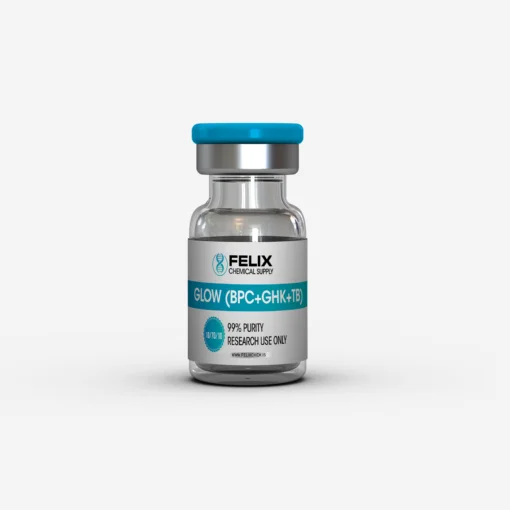
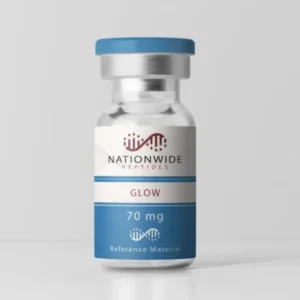
GLOW 10mg/70mg/10mg
Original price was: $129.00.$90.00Current price is: $90.00.
Buy GLOW 10mg/70mg/10mg — premium 90mg three-peptide research blend: BPC-157 10mg + GHK-Cu 70mg + TB-500 10mg. High-concentration GHK-Cu formula for collagen synthesis, angiogenesis, tissue repair & skin rejuvenation. ≥99% purity. Fast shipping USA, Canada, Germany, France, UK & worldwide. Order now.
Buy GLOW 10mg/70mg/10mg (BPC-157 / GHK-Cu / TB-500) | The High-Concentration Three-Peptide Stack That Rebuilds Tissue, Regenerates Skin & Restores What Age Takes Away
GHK-Cu at 200 ng/mL in a 20-year-old’s plasma. Down to 80 ng/mL by age 60. A 60% depletion of the molecule responsible for collagen synthesis, elastin production, gene expression reset across 4,000 genes, wound closure, angiogenesis, and antioxidant defense. BPC-157: the only compound shown to normalize VEGFR2 expression without affecting VEGF-A levels — a mechanism no other repair peptide shares. TB-500: upregulating G-actin expression fourfold, mobilizing stem cells systemically to every damaged site in the body simultaneously. Three compounds. Three distinct mechanisms. One 90mg vial of precision-formulated lyophilized research blend.
That is the GLOW 10mg/70mg/10mg. And the “70mg” matters — this isn’t the standard 50mg GHK-Cu formulation. GLOW 10mg/70mg/10mg contains BPC-157 (10mg) / GHK-Cu (70mg) / TB-500 (10mg) — totaling 90mg per vial — with GHK-Cu at a significantly higher concentration than the reference 50mg formulation found in standard GLOW blends. That additional 20mg of GHK-Cu is not incidental. It reflects the structural remodeling demands of the most collagen-intensive research applications — wound healing, post-surgical recovery, advanced skin rejuvenation, and connective tissue restoration where gene expression reset needs sustained supply over longer timelines.
Researchers across the USA, Canada, Germany, France, and the UK who want the three-peptide GLOW architecture but at the GHK-Cu concentration that matches the most demanding structural repair research protocols — GLOW 10mg/70mg/10mg is the formulation.
What Is GLOW 10mg/70mg/10mg?
The GLOW peptide stack is a combination protocol — usually administered as an injectable blend — comprising BPC-157, TB-500, and GHK-Cu. This powerful trio is designed to synergistically accelerate tissue healing, reduce inflammation, and rejuvenate skin and connective tissue, making it prominent in regenerative, sports, and aesthetic medicine research contexts.
GLOW is a synergistic triple-peptide formulation. Each peptide operates through distinct molecular pathways — nitric oxide signaling, actin cytoskeletal dynamics, and TGFβ1/gene regulation — with converging effects on tissue repair, collagen synthesis, angiogenesis, and cellular regeneration.
The 10mg/70mg/10mg formulation designates:
- BPC-157: 10mg — local tissue repair, angiogenesis via VEGFR2 normalization, GI protection, nitric oxide pathway
- GHK-Cu: 70mg — structural remodeling anchor; collagen +70% over Vitamin C; 4,000+ gene reset; antioxidant defense throughout
- TB-500: 10mg — systemic cell migration; G-actin dynamics; body-wide repair recruitment
This is the streamlined healing stack — three compounds in scientific synergy, without the fourth inflammatory-phase layer that KLOW adds. Where KLOW provides dedicated NF-κB inflammation control through KPV, GLOW focuses its full formulation mass on the structural repair cascade: angiogenesis, collagen architecture, and systemic cellular mobilization. The 70mg GHK-Cu concentration makes this GLOW formulation the most collagen-intensive in the product range.
GLOW 10mg/70mg/10mg — Complete Technical Specification
| Property | Detail |
|---|---|
| Product Name | GLOW |
| Full Formulation | BPC-157 10mg + GHK-Cu 70mg + TB-500 10mg |
| Total Content per Vial | 90mg lyophilized blend |
| BPC-157 | 10mg — CAS: 137525-51-0 — MW: 1,419.56 g/mol — C₆₂H₉₈N₁₆O₂₂ |
| GHK-Cu | 70mg — CAS: 89030-95-5 — MW: 401.91 g/mol — C₁₄H₂₁N₆O₄Cu |
| TB-500 | 10mg — CAS: 77591-33-4 — MW: 4,963.44 g/mol — C₂₁₂H₃₅₀N₅₆O₇₈S |
| GHK-Cu % of Total Blend | 77.8% (vs 71.4% in standard GLOW; 62.5% in KLOW) |
| Form | Lyophilized powder, filler-free |
| Solution Appearance | Clear to faint blue (GHK-Cu copper ion — normal) |
| Purity Standard | ≥99% per component (third-party HPLC + Mass Spec) |
| Reconstitution | Bacteriostatic water (BAC water) |
| Storage (Lyophilized) | 2–8°C; protect from light; stable 24 months; −20°C long-term |
| Storage (Reconstituted) | 2–8°C; use within 28–30 days; aliquot to prevent freeze-thaw cycles |
| Administration | Subcutaneous injection (primary) |
| Third-Party Testing | COA provided per batch; HPLC purity, MS identity, heavy metals |
| Intended Use | Research / Laboratory purposes only |
Why 70mg GHK-Cu? The High-Concentration Formulation Rationale
Each peptide in the GLOW blend has different effective dosing thresholds. GHK-Cu demonstrates activity at higher absolute doses than the other two components. Research shows systemic effects require milligram-range dosing for GHK-Cu, while BPC-157 and TB-500 show activity at lower concentrations. The elevated GHK-Cu ratio ensures each component reaches its effective threshold simultaneously when administered as a blend.
The 10mg/70mg/10mg formulation elevates GHK-Cu from the standard 50mg to 70mg — a 40% increase in the structural remodeling component. This matters in specific research contexts:
| Research Context | Why 70mg GHK-Cu? |
|---|---|
| Advanced skin rejuvenation | Greater collagen density changes require sustained GHK-Cu supply over the remodeling phase |
| Post-surgical connective tissue restoration | Longer structural remodeling timeline demands higher sustained GHK-Cu bioavailability |
| Gene expression reset research | 4,000+ gene modulation (31.2% of human genome) at therapeutic scale requires mass |
| Extended cycle research (12–16 weeks) | More total GHK-Cu per vial enables longer protocols without vial switching |
| Wound healing — severe or chronic | 9-fold collagen increase in rat models demands higher-concentration approach |
| Hair follicle regeneration research | +30–50% follicle size expansion benefits from elevated copper peptide concentration |
At 70mg per vial, GLOW 10mg/70mg/10mg provides 7 complete 10mg GHK-Cu daily SubQ research doses from the GHK-Cu alone — versus 5 doses from the standard 50mg formula — giving researchers 40% more structural coverage per vial.
The Three Mechanisms — How GLOW 10mg/70mg/10mg Works
Mechanism 1: GHK-Cu 70mg — Structural Architecture & Gene Expression Reset
GHK-Cu up-regulates wound healing processes and drives collagen production, elastin, and angiogenic growth-factor expression in laboratory models. At concentrations of 0.01, 1, and 100 nM incubated with human adult dermal fibroblasts, GHK-Cu increased production of both elastin and collagen — and increased TIMP-1 expression at all concentrations, simultaneously driving collagen production and protecting against collagen degradation.
GHK-Cu acts as a potent chemoattractant for macrophages, mast cells, and capillary endothelial cells. Irradiated fibroblasts treated with GHK showed growth dynamics similar to non-irradiated control cells — suggesting GHK-Cu’s protective mechanisms against radiation damage may have broader cellular protective implications in oxidatively stressed tissue environments.
At 70mg per vial, GHK-Cu’s four-layered mechanism operates with greater sustained supply:
Layer 1 — Collagen Architecture: Drives type I and III collagen production through TGFβ1 modulation and fibroblast activation — with documented +70% increase over Vitamin C in human clinical trials.
Layer 2 — Gene Expression Reset: GHK-Cu affects 31.2% of the entire human genome — modulating over 4,000 genes toward healthier expression patterns. Most of these changes shift gene expression from diseased or aged states toward more youthful, healthy profiles. This includes activation of DNA repair genes, suppression of cancer-related metastasis markers, and upregulation of tumor suppressor expression.
Layer 3 — Angiogenesis: GHK-Cu and TB-500 both play pivotal roles in promoting angiogenesis. GHK-Cu stimulates vascular endothelial growth factor (VEGF) expression and improves capillary density in damaged tissue — enhancing oxygenation and nutrient supply to healing tissue.
Layer 4 — Antioxidant Defense: GHK-Cu activates superoxide dismutase (SOD), catalase, and glutathione peroxidase — providing sustained oxidative protection across all phases of the healing cascade throughout the cycle.
Mechanism 2: BPC-157 10mg — Local Tissue Repair & Nitric Oxide Signaling
BPC-157 demonstrates a unique mechanism by upregulating VEGFR2 expression without affecting VEGF-A levels — a targeted angiogenic action that no other repair peptide in this blend (or in the broader research space) replicates. This selective VEGFR2 upregulation stimulates new blood vessel formation through receptor-mediated signaling rather than ligand-driven overexpression.
BPC-157 has been shown to accelerate tissue healing through activation of FAK/AKT/eNOS pathways, modulation of nitric oxide, and stimulation of controlled angiogenesis. It can protect cells from inflammatory and oxidative stress while improving blood flow and supporting collagen organization. Downstream transcription factors showed dramatic upregulation: c-Fos by 4.99-fold, c-Jun by 7.05-fold, and Egr-1 by 3.70-fold.
BPC-157 regulates cellular migration through ERK1/2 phosphorylation — a kinase-mediated pathway that drives local fibroblast and endothelial cell movement to the repair site, complementing TB-500’s systemic actin-mediated migration with precise local signaling architecture.
The 2025 Human Safety Data: A pilot study published in Alternative Therapies in Health and Medicine (2025): two healthy adults received intravenous BPC-157 infusions up to 20mg. Treatment was well tolerated with no adverse events and no clinically meaningful changes in vital signs, ECGs, or laboratory biomarkers — the most significant human safety datapoint in BPC-157’s history, confirming tolerability at doses significantly above standard research protocols.
Mechanism 3: TB-500 10mg — Systemic Cell Mobilization & Anti-Fibrotic Action
TB-500 is a 4.96 kDa actin-sequestering peptide that orchestrates cellular migration, angiogenesis, and inflammation control across multiple tissue types, with documented efficacy in cardiac, neural, dermal, and musculoskeletal repair models. G-actin sequestration represents the primary mechanism for cellular migration — local photorelease of caged TB-500 causes directional cell turning in locomoting keratocytes, confirming the precision of its cell mobilization action.
TB-500 complements GHK-Cu’s angiogenic activity by mobilizing endothelial progenitor cells and facilitating vascular remodeling — restoring blood flow in ischemic or wounded areas through systemic cell recruitment rather than localized growth factor expression. Together, GHK-Cu’s VEGF stimulation and TB-500’s endothelial progenitor cell mobilization create dual-pathway angiogenesis that neither compound achieves alone.
TB-500 enhances flexibility and mobility by targeting connective tissue and reducing fibrosis in muscle fascia — an anti-fibrotic action that prevents scar tissue formation during the repair cascade, maintaining the structural pliability of healed tissue rather than allowing the rigidity that characterizes non-optimized wound repair.
10 Research Benefits of GLOW 10mg/70mg/10mg
1. Superior Wound Healing
The synergy of BPC-157, TB-500, and GHK-Cu in one injection yields broad spectrum wound healing benefits. GLOW speeds up tissue repair — particularly in tendons, ligaments, and muscles — from the local signaling of BPC-157 through the systemic cell recruitment of TB-500 through the structural collagen matrix of GHK-Cu.
2. Skin Rejuvenation — Multi-Layer
GHK-Cu drives skin rejuvenation by activating wound-healing genes, stimulating collagen and elastin production, and increasing angiogenesis. Its copper-binding action supports antioxidant defense, reduces inflammation, and enhances skin firmness, texture, and repair. TB-500 enhances cellular migration and structural repair by increasing actin mobilization and promoting rapid regeneration of skin tissue. BPC-157 protects cells from inflammatory and oxidative stress while improving blood flow and supporting collagen organization.
3. Tendon & Ligament Repair
A 2025 systematic review in HSS Journal: The Musculoskeletal Journal of Hospital for Special Surgery documented the emerging use of BPC-157 in orthopaedic sports medicine, confirming its tissue repair applications across tendon and soft tissue contexts. A study in the Journal of Applied Physiology (2011) showed BPC-157 significantly accelerates tendon healing through enhanced cell migration and collagen synthesis.
4. Collagen Architecture (+70% in Human Clinical)
In a direct human clinical comparison, GHK-Cu produced collagen increases in 70% of volunteers — outperforming both Vitamin C (50%) and retinoic acid (40%) in a head-to-head trial. At 70mg per GLOW vial, the structural remodeling component is present in the highest concentration of any formulation in the product range — delivering the most complete collagen synthesis research substrate available in a pre-blended format.
5. Anti-Inflammatory Convergence — Three Pathways Simultaneously
All three peptides have strong anti-inflammatory properties, helping reduce systemic inflammation, joint pain, and localized swelling. BPC-157 modulates nitric oxide and cytokines locally; TB-500 suppresses IL-6 and TNF-α systemically; GHK-Cu reduces inflammatory gene expression through antioxidant enzyme activation. This three-pathway anti-inflammatory coverage operates without NF-κB inhibition (which is KPV’s role in KLOW) — but provides broad anti-inflammatory output through entirely different and complementary mechanisms.
6. Angiogenesis — Dual-Ligand + Dual-Cellular
The GLOW blend achieves angiogenesis through two entirely independent mechanisms — GHK-Cu stimulates VEGF expression (ligand-level) while TB-500 mobilizes endothelial progenitor cells (cellular level). BPC-157 adds VEGFR2 receptor upregulation as a third angiogenic input. No other three-compound blend achieves triple-mechanism angiogenesis across ligand, receptor, and cellular levels simultaneously.
7. Anti-Fibrotic — Prevents Scar Tissue Formation
TB-500 enhances flexibility and mobility by targeting connective tissue and reducing fibrosis in muscle fascia. This anti-fibrotic action prevents the rigid, restrictive scar tissue formation that characterizes poor healing outcomes — maintaining the pliability and full range of motion in repaired tissue that distinguishes optimal healing from mere wound closure.
8. Neurological Repair Support
GHK-Cu supports tissue remodeling through TGFβ1 modulation and has been shown to reduce amyloid plaques and enhance cognition in relevant research models. TB-500 and BPC-157 contribute to endothelial repair and neurovascular guidance — making the GLOW blend a compound of research interest in nerve crush injury, diabetic neuropathy, and post-operative nerve healing models.
9. Hair Follicle Regeneration
GHK-Cu’s documented +30–50% hair follicle size enlargement, combined with TB-500’s stem cell recruitment to wound periphery (which dramatically enlarges hair follicle production near healing wounds in animal models), creates a dual-mechanism hair regeneration research application that neither compound achieves at equivalent scale independently.
10. Systemic Coverage — Local + Systemic Simultaneously
This three-peptide system creates complementary geographic coverage: BPC-157 handles local injury site repair through FAK/AKT/eNOS signaling; TB-500 handles systemic body-wide repair through circulating G-actin dynamics and stem cell mobilization; GHK-Cu handles structural architectural restoration throughout the entire remodeling timeline. One injection covers local repair, systemic repair, and long-duration structural reconstruction simultaneously.
Research Benefits Summary Table
| Benefit | BPC-157 | GHK-Cu (70mg) | TB-500 | Synergy Level |
|---|---|---|---|---|
| Wound Healing | ⭐⭐⭐⭐⭐ | ⭐⭐⭐⭐⭐ | ⭐⭐⭐⭐⭐ | Maximum |
| Collagen Synthesis | ⭐⭐⭐ | ⭐⭐⭐⭐⭐ | ⭐⭐ | Strong |
| Angiogenesis | ⭐⭐⭐⭐ | ⭐⭐⭐⭐⭐ | ⭐⭐⭐⭐⭐ | Maximum |
| Skin Rejuvenation | ⭐⭐⭐ | ⭐⭐⭐⭐⭐ | ⭐⭐⭐⭐ | Strong |
| Tendon / Ligament | ⭐⭐⭐⭐⭐ | ⭐⭐ | ⭐⭐⭐⭐⭐ | Strong |
| Anti-Inflammation | ⭐⭐⭐⭐ | ⭐⭐⭐⭐ | ⭐⭐⭐ | Moderate-Strong |
| Gene Expression Reset | ⭐⭐⭐ | ⭐⭐⭐⭐⭐ | ⭐⭐ | Moderate |
| Anti-Fibrotic | ⭐⭐⭐ | ⭐⭐⭐ | ⭐⭐⭐⭐⭐ | Strong |
| Nerve Support | ⭐⭐⭐⭐ | ⭐⭐⭐ | ⭐⭐⭐⭐ | Moderate |
| Hair Follicle | ⭐⭐ | ⭐⭐⭐⭐⭐ | ⭐⭐⭐⭐ | Strong |
How to Reconstitute GLOW 10mg/70mg/10mg
Draw 3.0 mL bacteriostatic water with a sterile syringe. Inject slowly down the vial wall to minimize foaming. Gently swirl or roll the vial until fully dissolved — do not shake vigorously. Label with reconstitution date and refrigerate at 2–8°C, protected from light. Use within 4 weeks for optimal potency.
Step 1 — Gather Supplies
90mg GLOW vial (lyophilized), bacteriostatic water, sterile insulin syringe (1mL), 18G drawing needle, 30G injection needle, alcohol swabs, sharps container.
Step 2 — Choose Your Working Concentration
| BAC Water Added | Total Concentration | GHK-Cu/mL | BPC-157/mL | TB-500/mL |
|---|---|---|---|---|
| 3mL | 30mg/mL | 23.33mg/mL | 3.33mg/mL | 3.33mg/mL |
| 4mL | 22.5mg/mL | 17.5mg/mL | 2.5mg/mL | 2.5mg/mL |
| 6mL | 15mg/mL | 11.67mg/mL | 1.67mg/mL | 1.67mg/mL |
| 9mL | 10mg/mL | 7.78mg/mL | 1.11mg/mL | 1.11mg/mL |
Recommended: 3mL BAC water → 30mg/mL concentration — the most precise dose-per-unit math for standard insulin syringe protocols.
Step 3 — Reconstitute Gently
Swab the vial stopper. Inject BAC water slowly down the inner glass wall — never directly onto the lyophilized cake. Roll the vial between palms for 60 seconds. The solution will develop a faint blue tint from GHK-Cu’s copper ion — this is expected and confirms the peptide’s intact activity. Clear and colorless beyond the copper tint is ideal.
Step 4 — Aliquot for Extended Research
For cycles longer than 28 days, pre-draw individual doses into sterile 1mL syringes and freeze at −20°C immediately after reconstitution. This prevents degradation from repeated freeze-thaw cycles across the extended research timeline.
Step 5 — Label and Store
Reconstituted: 2–8°C, use within 28–30 days. Lyophilized: 2–8°C up to 24 months; −20°C for longer preservation. Always protect from light.
Dosage Protocol — GLOW 10mg/70mg/10mg
Standard research protocol (70mg vial reference): 2,330 mcg (2.33mg) total blend daily — delivering approximately 1.70mg GHK-Cu, 0.33mg TB-500, and 0.33mg BPC-157 per injection. This once-daily regimen aligns with common research protocols for BPC-157 and similar repair peptides. Schedule: daily subcutaneous injections for 4 weeks at consistent dose, followed by 2–4 week rest to assess progress before another cycle.
The community-documented loading protocol: 10 units on a U-100 insulin syringe (= 3.5mg total blend at 35mg/mL concentration): approximately 2.5mg GHK-Cu + 500mcg BPC-157 + 500mcg TB-500 — 5x/week during loading, then 3x/week maintenance. Cycle: 8–12 weeks on, 4–8 weeks off.
Complete Dosing Reference Table
| Protocol | Total Blend | GHK-Cu Dose | BPC-157 Dose | TB-500 Dose | Frequency | Duration |
|---|---|---|---|---|---|---|
| Conservative Starter | ~1mg | ~778mcg | ~111mcg | ~111mcg | Daily | 2 weeks |
| Standard Daily | 2.33mg | 1.70mg | 330mcg | 330mcg | Daily or 5x/week | 4–8 weeks |
| Loading Protocol | 3.5mg | 2.5mg | 500mcg | 500mcg | 5x/week | 4–8 weeks |
| Maintenance | 3.5mg | 2.5mg | 500mcg | 500mcg | 3x/week | 4–8 weeks |
| Skin Rejuvenation | 1.5–2mg | ~1.1–1.5mg | ~220–300mcg | ~220–300mcg | Daily | 8–12 weeks |
| Post-Surgical | 2.33–3.5mg | 1.70–2.5mg | 330–500mcg | 330–500mcg | Daily | 6–12 weeks |
GLOW 10mg/70mg/10mg — Per-Dose Component Calculator (at 30mg/mL)
| Syringe Volume | Total Blend | GHK-Cu | BPC-157 | TB-500 |
|---|---|---|---|---|
| 3 units (0.03mL) | 900mcg | 700mcg | 100mcg | 100mcg |
| 5 units (0.05mL) | 1.5mg | 1.17mg | 167mcg | 167mcg |
| 7.75 units (0.0775mL) | 2.33mg | 1.70mg | 333mcg | 333mcg |
| 10 units (0.10mL) | 3mg | 2.33mg | 333mcg | 333mcg |
| 12 units (0.12mL) | 3.5mg | 2.5mg | 500mcg | 500mcg |
How to Inject GLOW 10mg/70mg/10mg — Step by Step
Step 1 — Timing
Evening injection is the preferred research timing. GHK-Cu’s collagen synthesis aligns with overnight tissue repair. BPC-157’s FAK/AKT signaling cascade continues through the sleep window. TB-500’s systemic cell migration occurs throughout circulation.
Step 2 — Site Selection
Subcutaneous injection — abdomen (at least 2 inches from the navel), front of the thigh, or outer upper arm. TB-500’s systemic mechanism means injection site proximity to injury is not required. Rotate sites with every injection.
Step 3 — Prep and Draw
Swab injection site with alcohol. Allow to fully dry. Draw calculated volume from the reconstituted GLOW vial using a fresh 30G insulin syringe. Confirm no air bubbles before injecting.
Step 4 — Inject Slowly
Pinch skin at chosen site. Insert at 45°. Depress plunger over 10–15 seconds. The GHK-Cu copper ion can cause mild local warmth — slow injection minimizes this. Hold 3–5 seconds before withdrawing.
Step 5 — Faint Blue Solution — Normal
Reconstituted GLOW will have a faint blue tint from GHK-Cu’s copper ion. This is normal and expected. Do not discard — it confirms intact GHK-Cu activity.
GLOW 10mg/70mg/10mg vs. Standard GLOW (50mg GHK-Cu) — The Formulation Difference
| Feature | GLOW 10mg/70mg/10mg | Standard GLOW (50mg GHK-Cu) |
|---|---|---|
| BPC-157 | 10mg | 10mg |
| GHK-Cu | 70mg (77.8% of blend) | 50mg (71.4% of blend) |
| TB-500 | 10mg | 10mg |
| Total Vial Mass | 90mg | 70mg |
| GHK-Cu per dose (10u at standard reconc) | ~2.33mg | ~1.70mg |
| Best For | Extended structural repair, collagen-intensive protocols, advanced skin rejuvenation | Standard tissue repair, general recovery, anti-aging maintenance |
| Vial Efficiency | 40% more GHK-Cu per vial — fewer vials for extended cycles | Standard efficiency |
GLOW vs. KLOW — Choosing the Right Blend
| Feature | GLOW 10mg/70mg/10mg | KLOW 10mg/50mg/10mg/10mg |
|---|---|---|
| Peptides | BPC-157 + GHK-Cu + TB-500 | BPC-157 + GHK-Cu + TB-500 + KPV |
| GHK-Cu | 70mg | 50mg |
| Total Mass | 90mg | 80mg |
| NF-κB Inflammation Control | ⚠️ Secondary (BPC-157/TB-500 only) | ✅ KPV dedicated |
| Gut Health / IBD | BPC-157 (moderate) | KPV + BPC-157 (strong) |
| Autoimmune Research | Limited | KPV — superior |
| Collagen Intensity | ✅ Higher (70mg GHK-Cu) | Moderate (50mg GHK-Cu) |
| Anti-Aging / Skin | ✅ Superior (more GHK-Cu) | Strong |
| Structural Repair | ✅ Superior GHK-Cu | Good |
| Inflammation-Driven Conditions | ⚠️ Moderate | ✅ Superior (KPV) |
| Choose GLOW when | Collagen, skin, structural repair is primary | Inflammation, gut, autoimmune + repair |
Possible Side Effects of GLOW 10mg/70mg/10mg
While peptide therapy is generally well-tolerated when administered under proper supervision, there are important considerations to understand — particularly regarding the copper component of GHK-Cu and the systemic nature of TB-500’s mechanism.
| Side Effect | Component | Frequency | Notes |
|---|---|---|---|
| Faint blue vial solution | GHK-Cu | Always | Expected; confirms copper ion intact |
| Mild injection site warmth/redness | GHK-Cu (copper) | Occasional | Inject slowly; rotate sites |
| Transient nausea | BPC-157 (rare) | Rare | Reduce injection volume per dose |
| Initial fatigue (loading days) | TB-500 | Occasional | Systemic repair activation; resolves days 3–5 |
| Mild sweating during injection | All (rare) | Rare | Reduce dose; passes quickly |
Contraindications
| Contraindication | Component | Action |
|---|---|---|
| Wilson’s Disease | GHK-Cu | Absolute contraindication — avoid this blend |
| Active Cancer / Solid Tumors | GHK-Cu (angiogenesis) | Discuss with oncologist before use |
| Pregnancy / Breastfeeding | All three | Insufficient safety data — avoid |
| Competitive Sport (WADA) | TB-500 (Section S2) | Career-disqualifying — prohibited at all times |
| Copper Allergy | GHK-Cu | Topical patch test before systemic use |
FAQs About GLOW 10mg/70mg/10mg (BPC-157 / GHK-Cu / TB-500)
1. What is GLOW 10mg/70mg/10mg and what makes it different from standard GLOW?
GLOW is a three-peptide lyophilized research blend combining BPC-157, GHK-Cu, and TB-500 — targeting tissue repair through nitric oxide/VEGFR2 signaling (BPC-157), copper-mediated extracellular matrix activation (GHK-Cu), and actin-dependent cell motility (TB-500). The 10mg/70mg/10mg formulation distinguishes itself by elevating GHK-Cu to 70mg versus the standard 50mg — providing 40% more structural remodeling capacity per vial, making it optimal for collagen-intensive, extended-timeline, and advanced skin rejuvenation research protocols.
2. Why does GLOW 10mg/70mg/10mg have more GHK-Cu than standard GLOW?
GHK-Cu demonstrates activity at higher absolute doses than BPC-157 or TB-500 — systemic gene expression and structural remodeling effects require milligram-range dosing, while the other two peptides show activity at lower concentrations. The 70mg GHK-Cu in this formulation ensures the structural remodeling anchor of the blend operates at the highest research-relevant concentration for advanced protocols.
3. How does GLOW differ from KLOW?
GLOW is the three-peptide structural repair and skin rejuvenation blend — BPC-157 + GHK-Cu + TB-500. KLOW adds a fourth compound, KPV (10mg), which provides dedicated NF-κB inflammation control through an entirely different mechanism. GLOW is the tissue repair and collagen-focused blend; KLOW adds systemic anti-inflammatory support for conditions involving chronic inflammation, gut issues, or autoimmune responses. For advanced skin and structural protocols, GLOW 10mg/70mg/10mg’s elevated GHK-Cu provides more collagen research capacity per vial than KLOW.
4. How should GLOW 10mg/70mg/10mg be reconstituted?
Add 3.0mL bacteriostatic water to the 90mg vial for a 30mg/mL working concentration. Inject water slowly down the inner vial wall — never onto the powder directly. Swirl gently until dissolved. The reconstituted solution may appear faintly blue due to GHK-Cu’s copper ion — this confirms intact activity. Label with reconstitution date and refrigerate at 2–8°C. Use within 28–30 days.
5. What is the recommended research dosing for GLOW 10mg/70mg/10mg?
Standard research dose: 2.33mg total blend daily (at 30mg/mL, draw 7.75 units on U-100 insulin syringe) — delivering approximately 1.70mg GHK-Cu, 0.33mg TB-500, 0.33mg BPC-157. Loading protocol: 3.5mg total blend 5x/week, transitioning to 3x/week maintenance. Cycle: 8–12 weeks on, 4–8 weeks off.
6. Does GLOW 10mg/70mg/10mg require PCT or suppress testosterone?
No. None of the three components — BPC-157, GHK-Cu, or TB-500 — interact with the hypothalamic-pituitary-gonadal axis, androgen receptors, or testosterone production. No post-cycle therapy is required after GLOW research protocols.
7. What are the primary research applications of GLOW 10mg/70mg/10mg?
GLOW is prominent in regenerative, sports, and aesthetic medicine research contexts. Primary applications include: post-surgical connective tissue recovery, musculoskeletal injury models (tendons, ligaments, muscle), advanced skin rejuvenation and anti-aging, wound healing (including chronic and diabetic wound models), hair follicle regeneration, nerve repair, and systemic inflammatory conditions where structural repair is the primary research objective.
8. Can GLOW 10mg/70mg/10mg be used for skin anti-aging research?
Yes — this is one of the most prominent research applications. GHK-Cu drives skin rejuvenation by activating wound-healing genes and stimulating collagen and elastin production; TB-500 enhances cellular migration and promotes rapid regeneration of skin tissue; BPC-157 protects cells from inflammatory and oxidative stress while improving blood flow and supporting collagen organization. Users often report smoother, younger-looking skin within 30 days of initiation in research observations
9. What is the 2025 human safety data on BPC-157?
A 2025 pilot study published in Alternative Therapies in Health and Medicine reported that two healthy adults received intravenous BPC-157 infusions up to 20mg — treatment was well tolerated with no adverse events and no clinically meaningful changes in vital signs, ECGs, or laboratory biomarkers. This is the most significant human safety datapoint in BPC-157’s research history, confirming tolerability at doses substantially above standard research protocols.
10. Why does the reconstituted GLOW solution appear blue?
The faint blue coloration is produced by the copper (II) ion in GHK-Cu (molecular formula C₁₄H₂₁N₆O₄Cu). This is expected and confirms the copper peptide is structurally intact. The copper ion is intrinsic to GHK-Cu’s biological activity — serving as a cofactor for lysyl oxidase and lysyl hydroxylase in the collagen synthesis pathway. Do not discard a blue-tinted reconstituted GLOW vial — this is the compound working correctly.
11. Is GLOW 10mg/70mg/10mg suitable for post-surgical recovery research?
Yes — GLOW covers every phase of post-surgical tissue repair: BPC-157 handles local vascular repair and cellular signaling from day one; TB-500 mobilizes systemic stem cells and progenitor cells to the surgical site from the bloodstream; GHK-Cu drives the structural collagen remodeling phase that completes the repair cascade and restores tissue integrity at the molecular level. The 70mg GHK-Cu concentration provides the structural mass needed for the extended remodeling phase of post-surgical recovery, which can run 8–16 weeks in complex cases.
12. Who should avoid GLOW 10mg/70mg/10mg?
The primary contraindications derive from GHK-Cu’s copper delivery (Wilson’s Disease and copper allergy — absolute contraindications) and its angiogenic gene expression (consult oncologist with active cancer). TB-500 is WADA-prohibited under Section S2 — competitive athletes must not use this blend. All three components should be avoided during pregnancy and breastfeeding due to insufficient safety data.
Only logged in customers who have purchased this product may leave a review.
Related products

NATIONWIDE PEPTIDES
OTHER PEPTIDES
Reviews
There are no reviews yet.